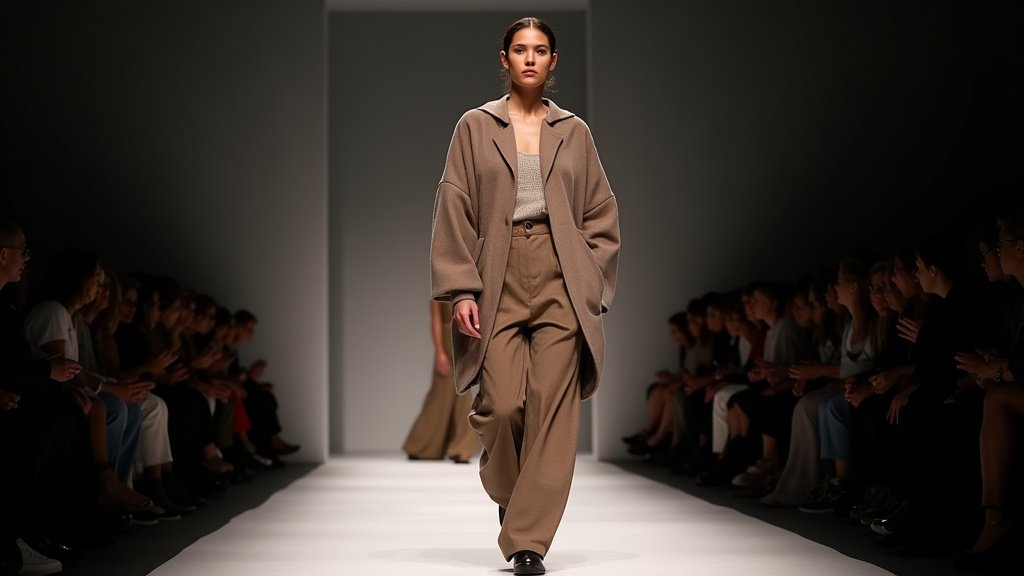
A Southern Oregon-based designer has achieved a significant milestone by earning a spot at the prestigious New York Fashion Week, highlighting the rising profile of Oregon’s regional fashion scene. This move marks not only a personal career pinnacle but also a broader cultural shift, as fashion capital centers like New York increasingly look to independent, slow-fashion hubs in the Pacific Northwest for innovation, sustainability, and authentic storytelling.
Key Highlights
- Global Recognition: The designer’s upcoming collection will be unveiled during the official New York Fashion Week schedule, a platform historically reserved for established labels.
- Regional Impact: This event serves as a catalyst for Southern Oregon’s growing creative economy, potentially attracting investment and tourism to the region’s burgeoning arts sector.
- Shift in Focus: The collection emphasizes ‘slow fashion’—a movement prioritizing high-quality, durable, and ethically sourced materials, contrasting with the fast-fashion trends often seen in mass production.
- Market Access: Participation allows the designer to connect with international buyers, media outlets, and industry influencers, a crucial step in scaling a regional business to a national level.
The Pacific Northwest Fashion Renaissance
The Southern Oregon fashion landscape has long been characterized by a quiet, steady output of high-quality craftsmanship, but rarely has it enjoyed the visibility of the global stage. For decades, the narrative of American fashion was strictly top-down: trends were born in New York and Paris and eventually trickled down to regional boutiques. However, this recent inclusion of a Southern Oregon designer in New York Fashion Week (NYFW) signals a fundamental disruption in that hierarchy.
Defining the ‘Slow Fashion’ Aesthetic
At the heart of the designer’s collection is a philosophy deeply rooted in the Pacific Northwest identity. Unlike the aggressive, trend-driven cycle of fast fashion, the designer’s approach mirrors the region’s geography: grounded, resilient, and enduring. The collection utilizes textiles sourced from regional mills and features design elements that pay homage to the rugged beauty of the Southern Oregon landscape. This is not merely ‘fashion’ in the commercial sense; it is a narrative of place.
Industry analysts have noted that the ‘Slow Fashion’ movement is gaining significant traction among younger demographics who are increasingly concerned with carbon footprints and garment longevity. By showcasing these values on the world’s most visible runway, the designer is tapping into a market segment that values provenance as much as appearance. This pivot from mass consumption to intentional design is no longer a niche preference; it is a robust economic engine, and this NYFW appearance is a loud, clear indicator of its commercial viability.
The Mechanics of Breaking Into NYFW
Securing a slot at NYFW is notoriously difficult, often requiring a combination of industry connections, significant financial backing, and a highly cohesive brand identity. For an independent designer operating outside of major fashion capitals, the barriers are compounded by logistics and marketing challenges.
This achievement was facilitated by recent industry shifts that have opened the doors for independent creators. Platforms that manage runway logistics, combined with the rise of digital marketing, have allowed designers to bypass traditional ‘gatekeepers.’ This specific designer utilized a meticulous multi-year strategy: building a loyal regional customer base, leveraging social media to create a global digital presence, and refining a signature ‘look’ that could stand out amidst the noise of high-fashion saturated markets.
Economic Implications for Southern Oregon
Beyond the glitz of the runway, the economic ripple effect for Southern Oregon cannot be understated. A singular success story often serves as a beacon for other creatives. If one designer can thrive locally while competing globally, it validates the region as a viable hub for professional creative labor. This could lead to an influx of talent, increased demand for local textile suppliers, and a greater presence of art-focused venture capital in the region.
Furthermore, this development aligns with state-wide initiatives to diversify Oregon’s economy beyond traditional sectors like timber or technology. By positioning Oregon as a ‘design destination,’ the local community can foster an environment where specialized skills—from pattern making to sustainable dyeing processes—are valued, kept, and grown within the state borders.
Future Predictions: What Comes Next?
As the designer prepares for the runway, the industry is already watching. Will this open the floodgates for more Oregon-based labels? History suggests that fashion centers are cyclical. As New York and Paris continue to saturate, the ‘discovery’ of regional talent becomes an annual industry ritual. We expect to see an increase in pop-up collaborations between Southern Oregon creatives and larger New York-based retailers in the coming fiscal year. The goal for this designer is no longer just participation; it is commercial expansion into boutiques across the Eastern Seaboard and eventually into international markets. The runway in New York is merely the first step; the sustainable scaling of the business is the true test of this burgeoning trend.
FAQ: People Also Ask
Q: How does a local designer get accepted into New York Fashion Week?
A: Acceptance usually involves applying through official runway management platforms, presenting a highly curated portfolio, and demonstrating the financial and production capacity to execute a professional runway show. For independents, it often requires a unique brand ‘point of view’ that fills a gap in the current market.
Q: What makes Southern Oregon fashion unique compared to other regions?
A: It is largely defined by the ‘slow fashion’ movement, utilizing durable, natural textiles and designs that prioritize functionality alongside aesthetics, heavily influenced by the diverse landscapes of the Pacific Northwest.
Q: How will this affect the designer’s local business?
A: This level of exposure typically leads to increased brand authority, expanded distribution channels, and higher demand for their products, potentially necessitating a scale-up of local production facilities and staff.
Q: Is ‘Slow Fashion’ actually profitable on a large scale?
A: Yes. Data suggests that the luxury and high-end markets are increasingly prioritizing the ‘story’ behind a garment—such as sourcing, labor ethics, and environmental impact—which often commands higher price points, making it a viable and growing business model.