Public health officials in Oregon have officially declared that the state has surpassed its 2024 measles record, with 45 confirmed cases logged so far in 2026. This escalation in infection rates has prompted urgent action from the Oregon Health Authority (OHA), as the virus appears to be spreading through community transmission, evidenced by recent wastewater detection signals identified across multiple counties. The shift from isolated, travel-related clusters to a more generalized community spread has signaled a significant evolution in the state’s epidemiological profile.
Key Highlights
- 45 confirmed measles cases in 2026 have surpassed the previous state record set in 2024, signaling an unprecedented outbreak trajectory.
- Wastewater-based epidemiology (WBE) has become the primary indicator for viral presence, with high-signal detection across multiple Oregon counties.
- Health officials are emphasizing the efficacy of the MMR vaccine while warning against the risks associated with the high transmissibility of the measles virus.
- The current outbreak is challenging regional healthcare infrastructure and prompting localized public health mandates.
The Anatomy of Oregon’s 2026 Measles Surge
The declaration that Oregon has surpassed its 2024 measles peak is not merely a statistical milestone; it represents a fundamental change in the state’s public health landscape. With 45 confirmed cases documented as of the most recent reporting period, the situation has moved beyond the containment of singular, index-patient events. Epidemiologists note that the current surge is characterized by a higher velocity of transmission, suggesting that pockets of the population remain critically under-vaccinated, providing a viable pathway for the virus to move through the community.
Wastewater Surveillance: The Silent Alarm
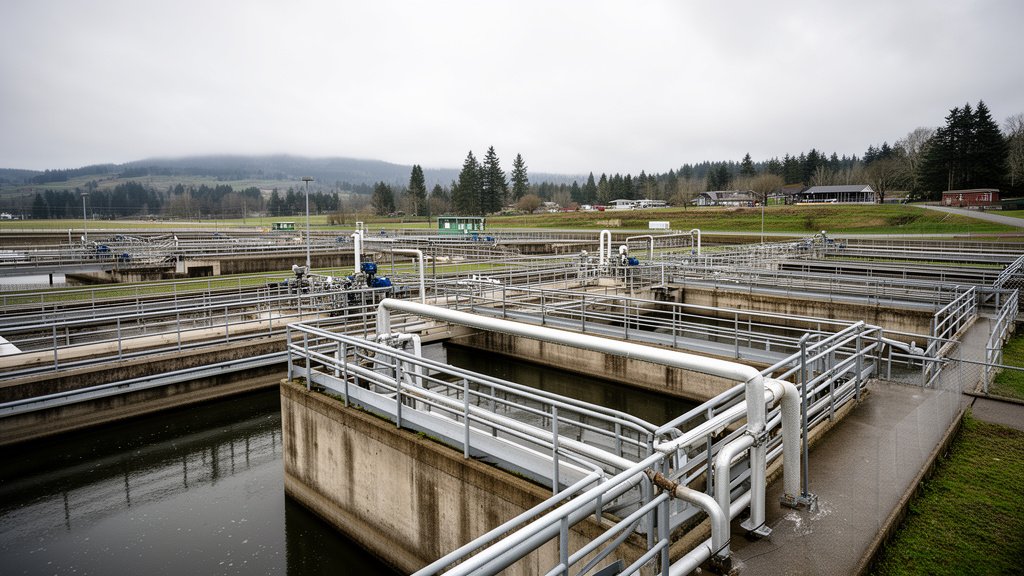
One of the most critical developments in this outbreak is the reliance on wastewater-based epidemiology (WBE). By monitoring municipal sewage systems, health experts have been able to identify viral RNA shed by infected individuals, even those who may be asymptomatic or pre-symptomatic. This data has provided a roadmap for where the virus is active, revealing high signals of measles detection across multiple counties. This technology has effectively bypassed the limitations of individual diagnostic testing, allowing the OHA to implement targeted warnings in regions that might otherwise have been deemed ‘low risk’ until clinical cases presented at emergency rooms.
Historical Context: Why 2026 Differs from 2024
To understand the gravity of the current situation, one must look at the 2024 baseline. While 2024 saw notable measles activity, the clusters were largely geographically siloed, tied to specific travel events or school-based exposures. In contrast, 2026 is seeing a more pervasive, decentralized pattern. The historical significance lies in the speed of the current surge. By mid-year, the case count has already eclipsed the total figures for the entirety of 2024. This trend suggests that the virus has moved from an ‘incident-based’ threat to an ‘endemic-presence’ threat, requiring a more robust and sustained public health response.
Transmission Dynamics and Public Health Challenges
Measles is among the most infectious pathogens known to medical science, characterized by an R-naught (R0) value that can range from 12 to 18 in susceptible populations. When the virus enters a community, its ability to remain airborne in closed environments for up to two hours post-exhalation makes containment exceptionally difficult. For Oregon, the primary public health hurdle is reconciling this high transmissibility with varying levels of vaccine uptake. The OHA has reiterated that the MMR vaccine remains the ‘gold standard’ for prevention, yet the resurgence highlights a widening gap in community immunity.
The Economic and Social Ripple Effect
Beyond the clinical burden on hospital systems—which are struggling to triage patients with high-fever, rash-based presentations—there is a significant, albeit quieter, economic impact. Measles outbreaks necessitate long isolation periods for the infected and, more importantly, lengthy quarantine periods for unvaccinated contacts. This creates a cascade of lost workdays for parents, school absenteeism, and the diversion of essential public health resources from other critical programs. The financial strain on local school districts and small businesses as they manage the fallout of localized mandates is becoming a recurring theme in the 2026 outbreak narrative.
Predictive Modeling and Future Outlook
As the state navigates this crisis, predictive modeling is becoming an essential tool for local health departments. Experts are using current wastewater trends and contact-tracing data to forecast the next likely geographic hubs for outbreaks. While the current trajectory is concerning, public health officials remain focused on ‘ring vaccination’ strategies—targeting specific communities or schools where the virus is identified—to break the chain of transmission. The coming weeks will be a critical test of Oregon’s public health infrastructure and its ability to curb a rapidly accelerating infectious disease trend.
FAQ: People Also Ask
Q: How does wastewater monitoring detect measles?
A: Wastewater monitoring detects the presence of viral RNA that is shed by infected individuals through physiological waste. Even before a person feels sick enough to seek a doctor, they shed the virus, allowing officials to track community prevalence.
Q: Is the 2026 strain of measles more aggressive than previous years?
A: While the clinical symptoms remain consistent with the classic measles virus, the current outbreak is moving faster due to specific immunity gaps in certain populations, making the virus appear more aggressive in its transmission speed.
Q: What should I do if I am unsure of my vaccination status?
A: The Oregon Health Authority recommends that adults without proof of immunity—either through vaccination records or laboratory evidence of prior infection—consult their primary care provider to receive an MMR booster.
Q: Are there lockdowns or mandatory isolation orders in place?
A: Currently, there are no statewide lockdowns. However, local health authorities in impacted counties may issue specific isolation guidance for those who have tested positive or have had direct contact with a confirmed case to prevent further community spread.