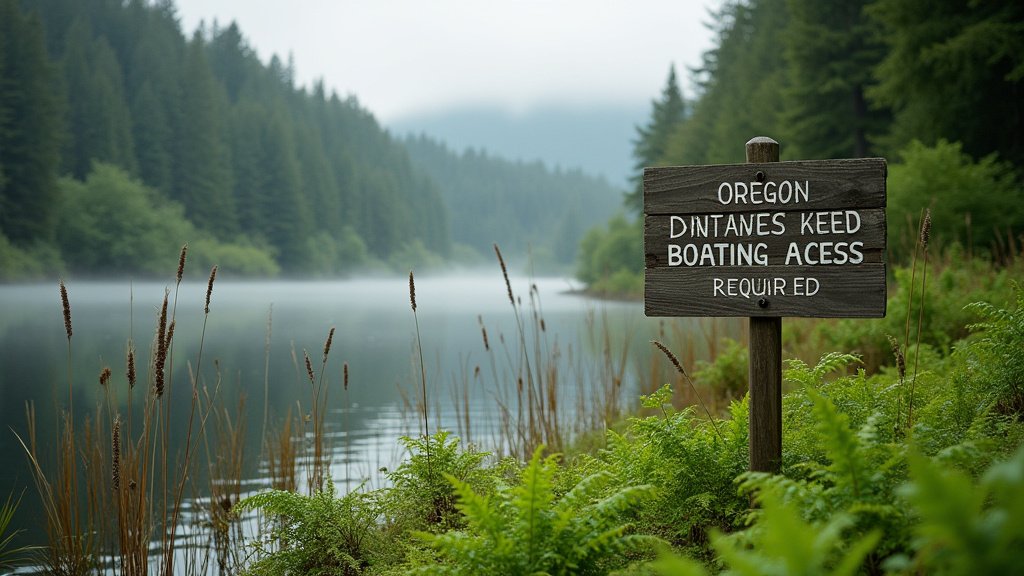
Oregon’s new permit requirement for kayakers is facing significant backlash, with environmental activists and recreational users pushing for its immediate repeal. The Oregon State Marine Board implemented the rule earlier this month, citing concerns over user conflicts and environmental impact on popular waterways. However, critics argue the permit system is an unnecessary barrier to outdoor recreation and disproportionately affects casual paddlers.
Key Highlights:
- A new permit is now required for kayaking in Oregon, effective immediately.
- Activist groups are organizing to protest and advocate for the rule’s removal.
- Concerns include potential impacts on user access and the economic viability of small outfitters.
- The Marine Board cites user conflict and environmental preservation as reasons for the new regulation.
Navigating the Controversy: Permit Rationale vs. Public Access
The Oregon State Marine Board’s decision to mandate permits for kayakers has ignited a firestorm of debate, pitting environmental stewardship against public access to natural resources. The board stated the permit aims to manage increasing recreational use on rivers and lakes, which they claim has led to heightened user conflicts and ecological stress. The regulation, officially known as the “Oregon Recreational Boating Access Permit,” applies to all human-powered vessels, including kayaks, canoes, and paddleboards, on designated state waters.
The Marine Board’s Perspective
During public comment periods leading up to the rule change, representatives from the Oregon State Marine Board emphasized a need for better data collection and management of recreational activities. They pointed to specific areas where crowded conditions have reportedly led to safety concerns and damage to sensitive riparian habitats. “We’ve seen a surge in paddling popularity, and with that comes the responsibility to ensure sustainable use,” stated a spokesperson for the board. “The permit system allows us to better understand who is using our waterways and where, enabling more targeted conservation efforts and improved safety protocols.”
Activist Opposition and Public Outcry
Conversely, a coalition of paddling clubs, conservation organizations, and outdoor retailers has mobilized against the mandate. Their primary argument is that the permit fee, while relatively modest, creates a financial and logistical hurdle, particularly for infrequent paddlers, families, and those with limited incomes. “This is an unfair tax on enjoying our state’s natural beauty,” argued Sarah Jenkins, a representative for Oregon Rivers United. “Kayaking and canoeing have traditionally been accessible activities. This permit undermines that principle and could discourage people from connecting with nature.”
Critics also question the efficacy of the permit system in achieving its stated environmental goals. They suggest that education and voluntary stewardship programs would be more effective and less restrictive. Furthermore, some local outdoor gear shops fear a decline in business if the permit deters casual customers.
Economic Implications
The economic ripple effects of the permit are also a concern. While the Marine Board anticipates revenue from permit sales to fund conservation and management, some business owners worry about lost sales. “If a family decides against a spontaneous kayak trip because they have to buy a permit first, that’s a lost rental, a lost sale, and less engagement with the outdoors,” commented Mark Olsen, owner of a Portland-based kayak rental business. He suggested that the board should have explored alternative funding mechanisms or phased implementation.
Secondary Angles:
- Historical Context: Kayaking and canoeing have long been viewed as inherently accessible forms of recreation in Oregon, with minimal regulation. This new permit marks a significant shift in policy and public perception.
- Future Predictions: The success or failure of this permit system could set a precedent for other states considering similar measures to manage recreational access amidst growing environmental pressures.
- Alternative Solutions: The debate highlights the broader challenge of balancing conservation needs with the public’s desire for unfettered access to natural spaces, prompting discussions about innovative management strategies.
FAQ: People Also Ask
Why is Oregon requiring permits for kayakers now?
Oregon implemented a new permit requirement for kayakers and other human-powered boaters to better manage increasing recreational use, address user conflicts, and fund conservation efforts on state waterways.
Who is affected by the new kayaking permit rule?
The permit applies to all individuals operating human-powered vessels such as kayaks, canoes, and paddleboards on designated Oregon state waters.
What are the main arguments against the permit requirement?
Opponents argue the permit is an unnecessary barrier to recreation, creates a financial burden, disproportionately affects casual users, and that education or voluntary programs would be more effective for conservation.
How much does the Oregon kayaking permit cost?
The specific cost of the permit can vary, but it is intended to be an affordable measure. Details on pricing are available through the Oregon State Marine Board.
What are the potential environmental benefits cited by the Marine Board?
The Marine Board suggests the permit system will allow for better data collection on user activity, which can help in identifying and mitigating impacts on sensitive habitats and ecosystems.