BRUSSELS – NATO commenced its annual nuclear deterrence exercise, the Steadfast Noon exercise, on October 13, 2025. This routine yet crucial drill is designed to ensure the alliance’s readiness and the credibility of its nuclear deterrent. This year’s Steadfast Noon exercise, involving approximately 70 aircraft from 14 allied nations and around 2,000 personnel, is taking place against a backdrop of heightened global tensions and a pattern of Russian military activities near NATO borders. This global news is a key development in ongoing international security discussions, underscoring the importance of the Steadfast Noon exercise.
Steadfast Noon Exercise Underway: Key Details of the Annual Drill
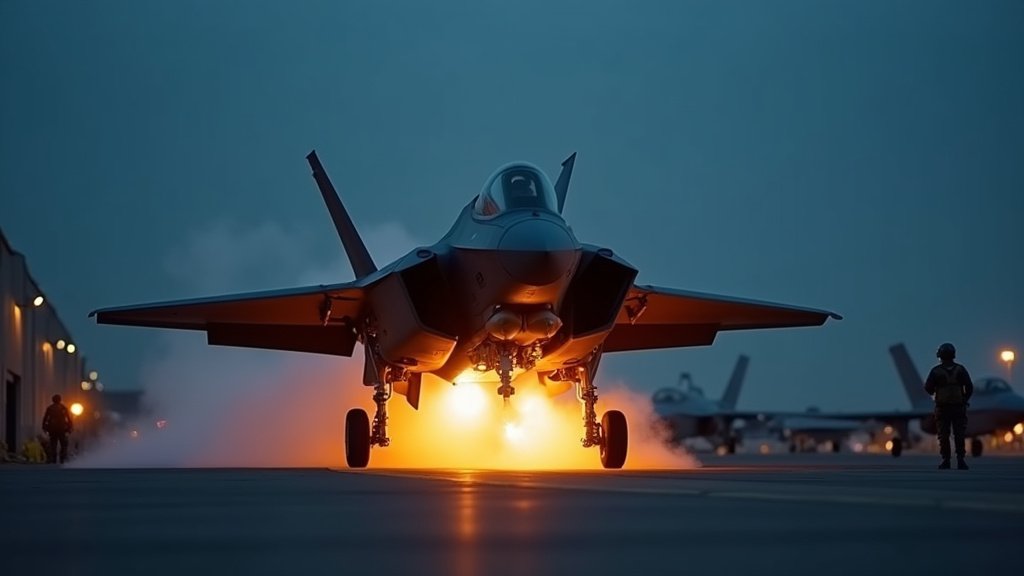
The two-week Steadfast Noon exercise, coordinated primarily from NATO’s military headquarters in Mons, Belgium, is being hosted mainly in the Netherlands, with Volkel Air Base serving as the principal hub. Supporting operations for the Steadfast Noon exercise are extending across military bases in Belgium, the United Kingdom, Denmark, and over the North Sea. Participating aircraft include Dutch F-35 fighters, German Tornado jets equipped to carry U.S. nuclear bombs, U.S. F-35s in a dual-capable role, Swedish Gripen fighters, as well as various reconnaissance, air-to-air refueling, and command-and-control assets. Notably, the Steadfast Noon exercise strictly prohibits the use of live weapons, employing only inert training devices and simulated scenarios to test operational procedures.
Geopolitical Backdrop: Heightened Tensions and Russian Provocations Surrounding Steadfast Noon
The commencement of the Steadfast Noon exercise occurs during a period of significant geopolitical strain between NATO and Moscow. This has been marked by a notable increase in Russian military aircraft and drone incursions into allied airspace. Recent incidents include multiple drones entering Polish airspace and Russian fighter jets violating Estonian airspace. Such incursions are interpreted by Western officials as Russia probing NATO’s response capabilities. Furthermore, Russia has repeatedly issued explicit or veiled nuclear threats amidst its ongoing full-scale invasion of Ukraine, and Moscow has warned the U.S. against supplying advanced weaponry like Tomahawk cruise missiles to Ukraine, citing their potential nuclear warhead capability. These escalating tensions have led to increased security around military facilities across Europe and have prompted NATO to enhance its air policing missions, a crucial aspect of alliance security.
NATO’s Stated Objectives for Steadfast Noon: Deterrence, Readiness, and Transparency
NATO officials stress that the Steadfast Noon exercise is a routine, long-planned annual exercise, not a direct response to any specific current events or a particular country. Secretary General Mark Rutte emphasized its importance, stating, “We need to do this because it helps us to make sure that our nuclear deterrent remains as credible, and as safe, and as secure, and as effective as possible”. The Steadfast Noon exercise serves a dual purpose: to maintain the operational readiness and effectiveness of NATO’s nuclear capabilities and to send a clear signal of resolve and unity to potential adversaries, demonstrating the alliance’s commitment to defending all allies against all threats. This strategic signaling is vital in maintaining global stability.
Enhanced Security and Strategic Signaling During Steadfast Noon
This year’s Steadfast Noon places a particular emphasis on safeguarding nuclear assets and facilities on the ground, a measure reflecting heightened concerns over drone activity near European military sites. While exercising without live munitions, the Steadfast Noon drills validate certified delivery aircraft, command and control systems, and base protection measures, sending a “sober, unambiguous signal of resolve”. The Steadfast Noon exercise also aims to promote transparency regarding NATO’s nuclear posture, ensuring allied populations and the international community have a clear understanding of the alliance’s capabilities and doctrines, contributing to a stronger nuclear deterrent.
The Broader Picture of the Steadfast Noon Exercise
The Steadfast Noon exercise is one of NATO’s most significant recurring exercises, forming a central component of its strategic deterrence posture, which is based on an appropriate mix of nuclear, conventional, and missile defense capabilities. As global security dynamics continue to evolve, this annual Steadfast Noon exercise underscores NATO’s commitment to maintaining a credible, safe, secure, and effective nuclear deterrent, a cornerstone of alliance security in an increasingly complex world. This trending exercise highlights the intricate balance NATO seeks to strike between maintaining military readiness and signaling resolve amid a challenging geopolitical climate, especially with ongoing Russian airspace incursions.
Further reading: Related News on Google