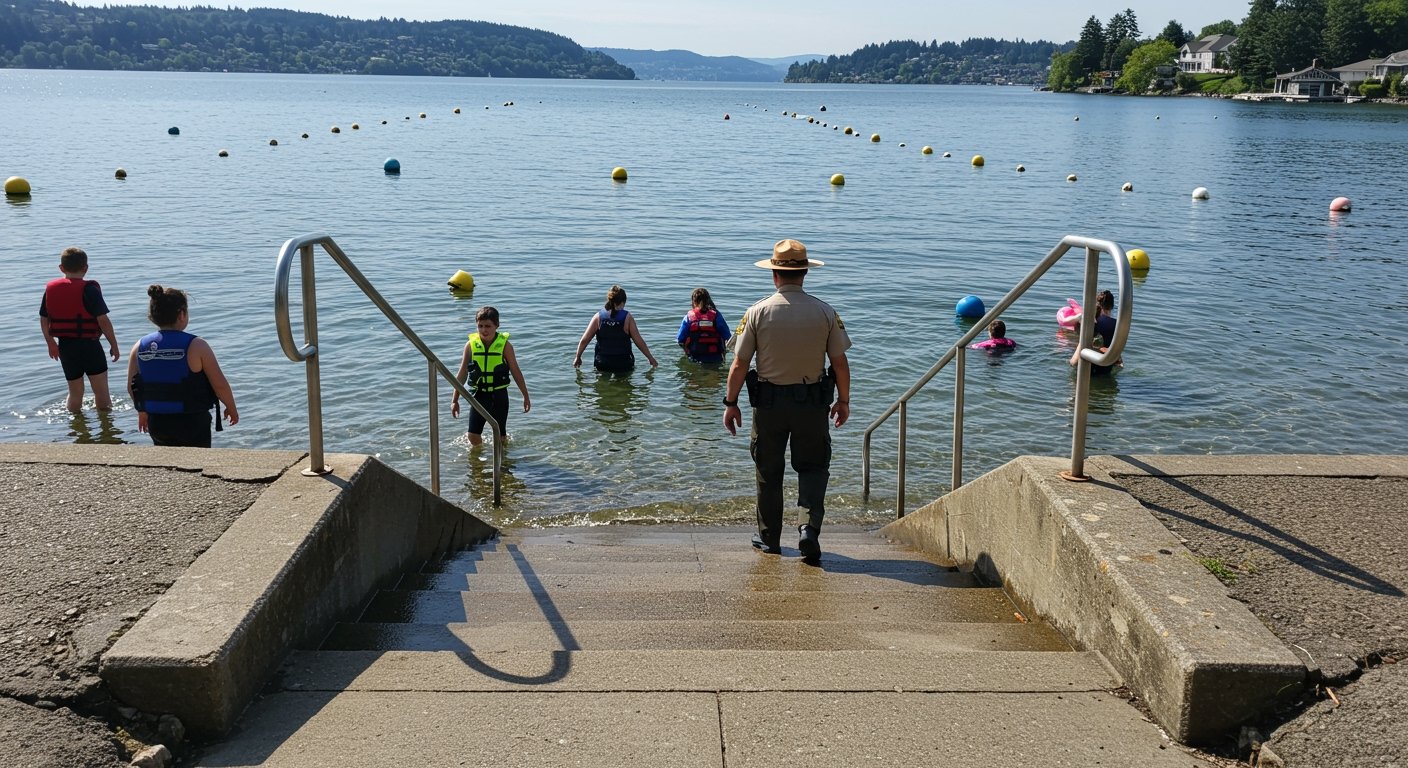
Researchers have announced a promising new approach to combat the recurring harmful algal blooms that plague the Willamette River, offering a beacon of hope for the ecosystem and communities relying on its health. This breakthrough targets the root causes of the blooms, aiming for a sustainable and effective resolution to a persistent environmental challenge.
Key Highlights:
- A novel scientific method has been developed to tackle Willamette River algal blooms.
- The solution focuses on addressing the underlying causes of bloom formation.
- This advancement promises significant environmental and community benefits.
- Further testing and implementation phases are anticipated.
Addressing the Willamette’s Algal Menace
The Willamette River, a vital artery for Oregon’s ecosystem and economy, has for years been subjected to the detrimental effects of harmful algal blooms (HABs). These blooms, often triggered by excessive nutrient pollution and warm temperatures, can deplete oxygen, harm aquatic life, and pose risks to human and animal health. Recognizing the urgency and complexity of the issue, a dedicated team of researchers has worked to devise a multi-faceted solution designed to not only mitigate existing blooms but also prevent their recurrence.
The Science Behind the Solution
The core of the new approach involves a combination of advanced water treatment technologies and strategic nutrient management. Scientists are focusing on reducing phosphorus and nitrogen levels, the primary culprits fueling algal growth. This includes innovative filtration techniques and bio-augmentation strategies that introduce beneficial microorganisms to outcompete harmful algae. The research emphasizes a holistic approach, understanding that a single intervention is unlikely to suffice for such a complex environmental problem.
Environmental and Economic Impacts
The successful implementation of this solution could have profound positive impacts. For the environment, it means improved water quality, a healthier habitat for fish and other aquatic species, and a more vibrant riverine ecosystem. Economically, cleaner waters can revive recreational activities such as fishing, boating, and swimming, which are crucial for local tourism and businesses. The reduction in toxin-producing algae also lessens public health concerns, making the river safer for all users.
Community Engagement and Future Outlook
Beyond the scientific advancements, the project stresses the importance of community involvement and public education. Understanding the sources of nutrient pollution often involves collaboration with agricultural communities, urban wastewater treatment facilities, and individual residents. The researchers are working with local stakeholders to implement best practices and promote responsible land and water use. The long-term vision includes continuous monitoring and adaptive management, ensuring the solution remains effective as environmental conditions evolve. This proactive stance is critical for maintaining the Willamette River’s health for generations to come.
FAQ: People Also Ask
What are the main causes of algal blooms in the Willamette River?
Algal blooms in the Willamette River are primarily caused by excessive nutrient pollution, particularly phosphorus and nitrogen, often from agricultural runoff and wastewater, exacerbated by warm temperatures and slow-moving water.
How effective is the new proposed solution?
Preliminary research and pilot studies suggest the new solution is highly effective in reducing nutrient loads and inhibiting algal growth, with significant improvements observed in water quality metrics.
What are the risks associated with harmful algal blooms?
Harmful algal blooms can produce toxins that are dangerous to humans and animals, cause oxygen depletion in the water which can lead to fish kills, and negatively impact recreational and economic activities.
Who is leading the research for this solution?
The research is being conducted by a consortium of scientists from Oregon State University and the Oregon Department of Environmental Quality, in collaboration with local watershed councils.
What steps can the public take to help prevent algal blooms?
The public can help by reducing fertilizer use on lawns, properly disposing of pet waste, maintaining septic systems, and supporting local initiatives aimed at reducing stormwater runoff.