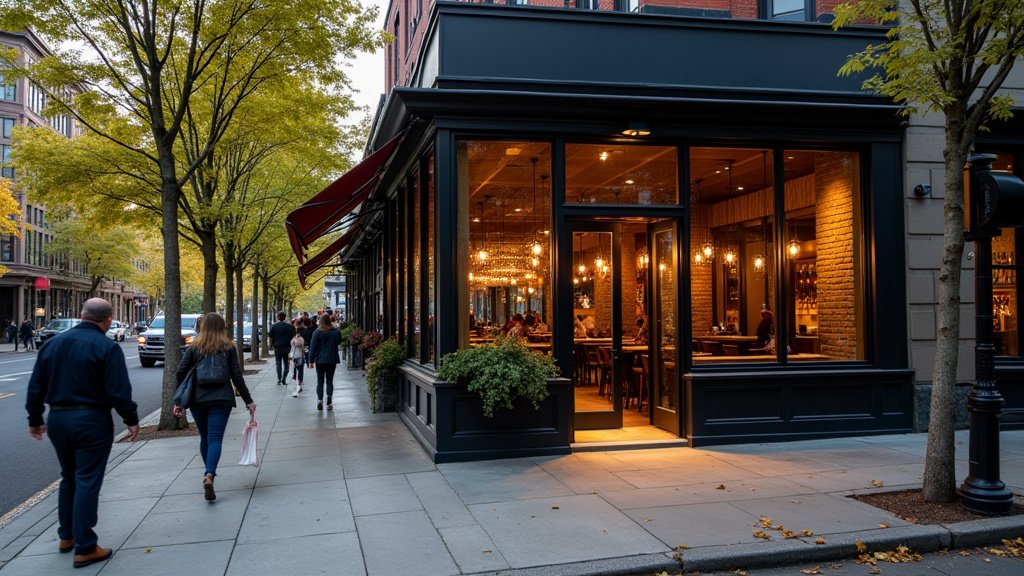
The culinary landscape of Bend, Oregon, is set for a significant shift as the team behind the highly acclaimed Joolz announces their expansion to the East Side. This strategic move represents more than just the opening of a new venue; it is a homecoming for the duo, who first established their reputation for elevated Mediterranean-inspired cuisine in this specific sector of the city. By returning to their roots, the ownership team is betting on the continued growth of the East Side—a district that has transformed from an industrial hub into a premier destination for hospitality and commerce.
The Evolution of a Local Staple
Joolz has long been synonymous with authenticity in the Bend restaurant scene. Founded on principles of vibrant, Lebanese-influenced flavor profiles and a commitment to high-quality sourcing, the concept managed to bridge the gap between casual dining and a sophisticated, social atmosphere. The ‘duo’—the core ownership and management team—have spent years cultivating a brand identity that prioritizes consistency and community connection. This upcoming expansion is the latest chapter in a long-running story of growth, marking a departure from their previous operational footprint while maintaining the core tenets that made Joolz a household name.
Historically, the team has navigated the complexities of Bend’s seasonal economy with agility. Their decision to open on the East Side is not merely a reaction to current market trends but a calculated effort to recapture the energy of their early days. The East Side has undergone massive redevelopment over the past decade, with new residential projects and professional office parks creating a demographic shift that craves high-quality, accessible dining options during both lunch and dinner hours.
Strategic Market Placement and Economic Impact
When analyzing the commercial real estate landscape of Bend, the East Side presents unique advantages. Unlike the crowded and often seasonally congested downtown core, the East Side offers a more localized customer base, comprised of long-term residents and a robust workforce. For the Joolz team, this location strategy serves a dual purpose: it offers proximity to the demographic that fueled their initial success, while simultaneously tapping into the current surge of interest in suburban culinary experiences.
From a business development perspective, this move mitigates the risks associated with the tourist-heavy downtown economy. By positioning their new venue in a high-traffic corridor, the duo is prioritizing sustainability. Economic data regarding the East Side’s growth—highlighted by increased commercial permit filings and a shift in luxury residential zoning—suggests that the area is primed for a ‘third-place’ destination. Joolz is effectively positioning itself to fill the void between high-end fine dining and fast-casual, a sweet spot that remains underserved in the current East Side ecosystem.
Culinary Vision and Operational Design
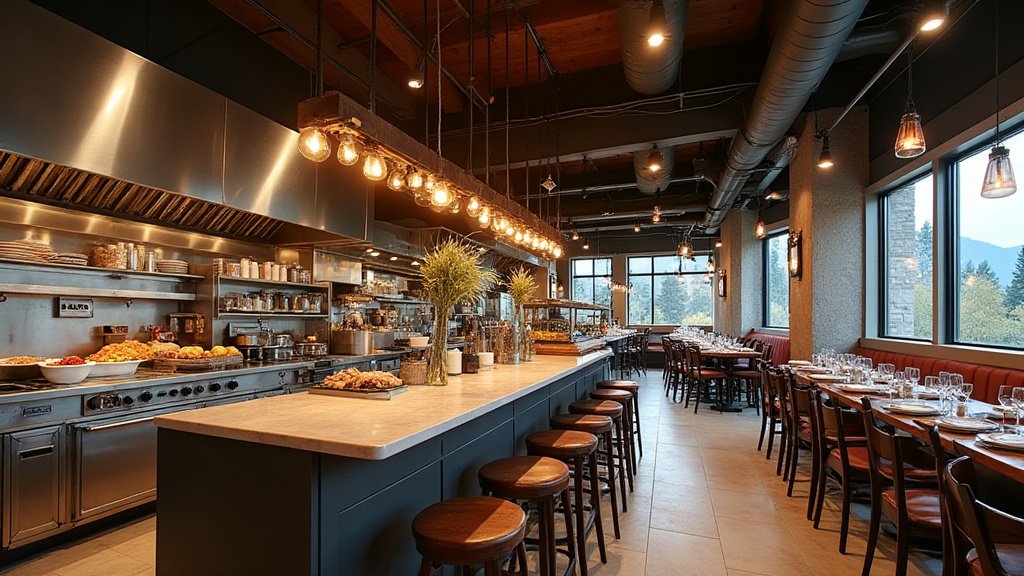
While the team remains tight-lipped about the specific menu innovations, industry insiders expect the new space to mirror the successful design language of their flagship location: warm, inviting, and functional. However, the East Side expansion is anticipated to feature a more modernized workflow to accommodate a high volume of diners. The design brief, according to early reports, suggests an emphasis on an open-concept kitchen that encourages transparency—a nod to the team’s commitment to ‘honest food.’
This expansion will likely challenge the current local competitors, who have long held dominance in this quadrant of the city. The focus on Mediterranean heritage, coupled with the duo’s established operational expertise, positions the new space to be a formidable challenger to existing chains and local independents alike. Furthermore, the operational design is expected to prioritize staff retention and kitchen efficiency, addressing one of the most critical challenges facing the Pacific Northwest hospitality industry today.
A Broader Look: The Changing Bend Hospitality Map
The move by the Joolz team is reflective of a wider trend in secondary markets across the United States. As costs of living rise in urban centers, operators are increasingly looking to secondary and tertiary districts to find more favorable lease terms and a more loyal customer base. The ‘return to roots’ narrative is powerful, but in this case, it is underpinned by hard data and a sophisticated understanding of localized traffic patterns. By leveraging their existing brand equity, the team is effectively de-risking their expansion, using their reputation to secure a foothold in a competitive market before the doors even open. As we look toward the next fiscal quarter, the success of this venue will likely serve as a barometer for the viability of future high-end expansions in Bend’s East Side.
FAQ: People Also Ask
What is the primary reason for the expansion to the East Side?
The decision is rooted in a strategic return to the team’s market origins. The East Side of Bend is currently experiencing a significant commercial and residential boom, providing a stable, localized customer base that offers more year-round consistency than downtown tourist-heavy locations.
How will the menu at the new location differ from the original Joolz?
While the core identity of the restaurant will remain intact, the team has indicated they are looking to adapt their menu to fit the faster pace of the East Side. This likely means a refined menu focusing on the most successful dishes from their portfolio, potentially supplemented by lunch-friendly offerings to serve the local workforce.
Is this considered a second location or a rebrand?
The team has clarified that this is an expansion, not a relocation or a rebrand. The original Joolz location remains a central part of their operations, with the new East Side venue serving as a complementary space designed to increase their market footprint in Bend.
What is the expected impact on the local culinary scene?
The entrance of a proven, high-quality brand like Joolz into the East Side market is expected to raise the competitive bar for existing restaurants. It signals a shift in consumer expectations, where diners are increasingly seeking elevated, independent culinary experiences closer to home rather than relying solely on destination dining in the downtown core.