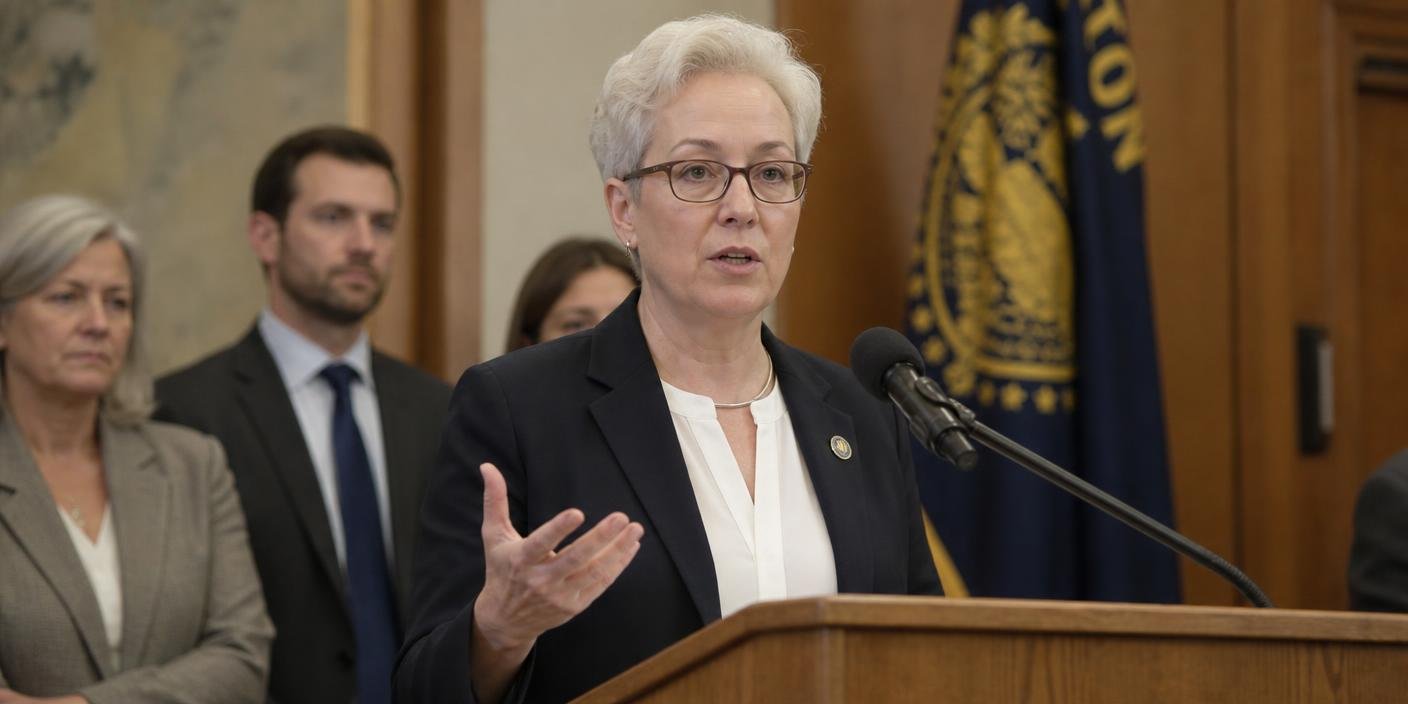
In a decisive move to stabilize the state’s healthcare landscape, Oregon Governor Tina Kotek has directed the Oregon Health Authority (OHA) to officially opt into a federal exemption period. This strategic administrative intervention effectively pauses the enforcement of new federal Medicaid work requirements—often cited as H.R. 1 mandates—that threatened to disrupt coverage for thousands of residents across the state. By leveraging this grace period, Oregon aims to shield its most vulnerable populations from sudden coverage termination while state officials conduct a comprehensive review of the policy’s potential impacts on local health outcomes and administrative stability.
Key Highlights
- Strategic Delay: Governor Kotek ordered the OHA to utilize an authorized federal exemption period, stalling the implementation of work requirement mandates for Medicaid enrollees.
- Coverage Protection: The move is designed to prevent thousands of Oregonians from experiencing a lapse in their Oregon Health Plan (OHP) coverage, which critics argue stems more from bureaucratic “red tape” than actual ineligibility.
- State vs. Federal Friction: This action highlights the ongoing tension between federal fiscal policies and state-level healthcare autonomy, particularly regarding the Oregon Health Plan’s unique 1115 waiver status.
- Review Process: The delay provides the state with the necessary breathing room to evaluate the socioeconomic consequences of these work requirements before they are fully integrated into state operations.
Safeguarding Health Equity: The Pause on Medicaid Mandates
For many residents enrolled in the Oregon Health Plan, the specter of mandatory work reporting requirements represents more than just a policy change; it represents a tangible threat to continuous, life-sustaining care. By opting into the federal exemption period, the Kotek administration has prioritized the continuity of care over the immediate application of new, stringent reporting mandates that often result in what policy experts call the “churn”—a phenomenon where beneficiaries lose coverage due to administrative hurdles rather than changes in their financial eligibility.
The Administrative Burden of Federal Mandates
The federal push for Medicaid work requirements, frequently discussed under the legislative umbrella of H.R. 1, posits that employment is a necessary condition for accessing government-subsidized health benefits. However, the reality on the ground is significantly more complex. For thousands of Oregonians—particularly those in rural areas, individuals with disabilities, or those with fluctuating income streams—meeting these reporting requirements can be administratively exhausting.
When these policies are rolled out without adequate safeguards, the result is frequently a high rate of coverage loss among people who are actually qualified for the program but fail to navigate the reporting process. Governor Kotek’s directive to the Oregon Health Authority is a recognition that these administrative barriers disproportionately harm the very people the Oregon Health Plan is designed to support. By pausing the rollout, the state effectively preserves its administrative resources, allowing it to focus on outreach and education rather than the immediate termination of benefits.
Oregon’s Unique Healthcare Ecosystem
Oregon has long been a leader in progressive health policy, utilizing its robust 1115 Medicaid waiver to innovate how care is delivered and coordinated. The state’s healthcare system is built on a foundation of coordinated care organizations (CCOs) that prioritize patient health outcomes over volume-based care. The imposition of federal work requirements sits in uneasy tension with this model.
If the state were to implement these requirements without a careful, phased approach, it could undermine years of work in building a seamless, patient-centric delivery system. The exemption period serves as a critical buffer, allowing the Oregon Health Authority to negotiate with federal authorities and align these new mandates with Oregon’s existing standards of care. It is a calculated move to ensure that the state retains its autonomy in managing the OHP while acknowledging federal fiscal pressures.
Long-term Economic and Social Impact
The economic implications of this delay are profound. When individuals lose health coverage, they do not simply stop needing healthcare; instead, they often defer care until their conditions worsen, eventually seeking treatment in emergency rooms. This shift creates a “cost-shift” dynamic where uncompensated care burdens the entire healthcare system, driving up costs for providers and, ultimately, the state.
By keeping thousands of Oregonians covered, the Governor’s action is effectively an investment in public health stability. It prevents a surge in the uninsured population, which would otherwise strain community health clinics and hospitals already operating at capacity. Furthermore, the stability provided by the OHP allows individuals to maintain employment and manage chronic health issues—a feedback loop that supports economic stability rather than hindering it.
The Road Ahead: Balancing Compliance and Care
While the current exemption provides immediate relief, the path forward remains complex. The Oregon Health Authority is now tasked with utilizing this delay period to engage in deep data analysis. They must determine which, if any, elements of the federal mandates can be integrated without undermining the effectiveness of the Oregon Health Plan. This period of deliberation is not just a postponement; it is a vital phase of policy architecture.
As the state moves forward, the dialogue between Salem and federal agencies will be crucial. The outcome of this period will likely set a precedent for how other states with similar waiver structures handle federal mandates in the coming years. For now, however, the priority remains clear: ensuring that no Oregonian loses access to necessary medical services due to administrative transitions.
FAQ: People Also Ask
1. Does this delay mean that Medicaid work requirements are gone forever in Oregon?
No. This is a temporary pause utilizing an exemption period. The directive allows the state to hold off on enforcement while it assesses the impact and prepares for future implementation, but it does not repeal the federal policy itself.
2. How does this affect current Oregon Health Plan (OHP) members?
It is positive news for current members. It means that, for the duration of this exemption period, members will not be terminated from the program specifically for failing to meet the new federal work reporting requirements. They should continue to monitor their mail and communications from the OHA for any changes to their coverage status.
3. Why did the Governor choose to use this exemption?
Governor Kotek prioritized the continuity of care. The administration identified that immediate enforcement could lead to a significant number of qualified individuals losing coverage due to administrative barriers, which would disrupt health outcomes and increase the burden on the state’s healthcare system.
4. What should OHP members do during this delay?
Members should keep their contact information up to date with the Oregon Health Authority and continue to report any changes in income or household size as required by standard renewal processes. The delay in work requirement enforcement does not change the requirement to report standard eligibility information.