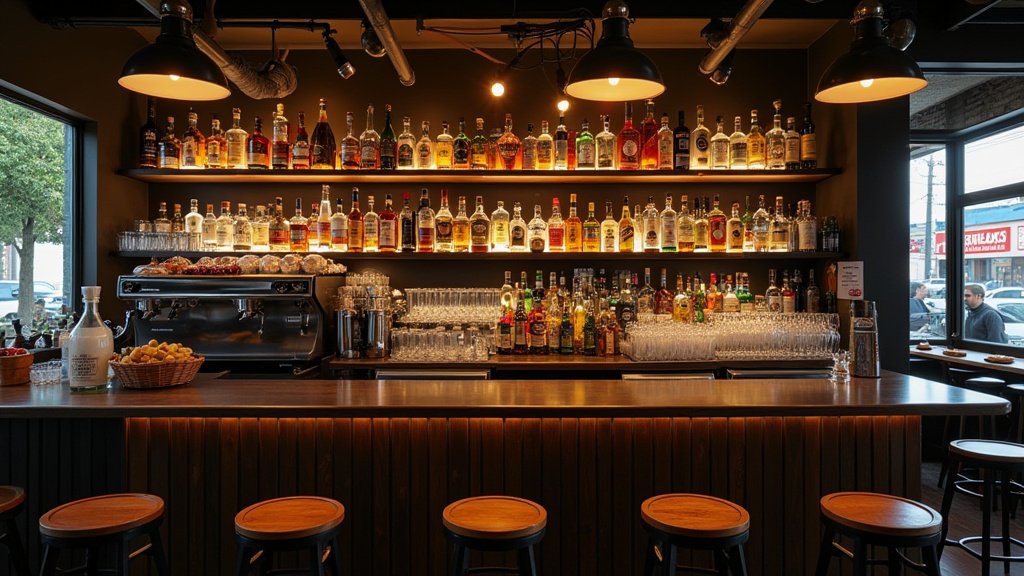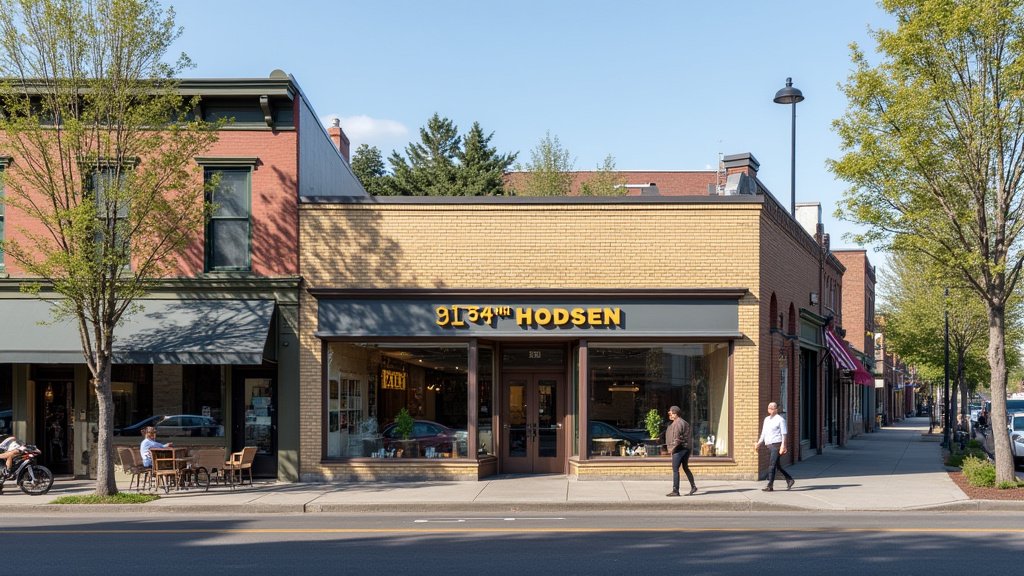
The landscape of Eugene’s 13th Avenue is set for a significant transformation. Developer Eran Fields has finalized the purchase of the property located at 810 E. 13th Ave., a strategic plot adjacent to the University of Oregon campus. This move signals a calculated effort to modernize the local hospitality scene, with plans for a multi-story bar and restaurant complex that promises to blend student-centric nightlife with elevated architectural amenities, including coveted rooftop and outdoor dining spaces.
Key Highlights
- Strategic Acquisition: Eran Fields has acquired 810 E. 13th Ave., a prime real estate parcel positioned directly in the flow of university student and pedestrian traffic.
- Rooftop Vision: The proposed project emphasizes open-air hospitality, with specialized plans for rooftop dining—a feature currently underrepresented in the immediate campus vicinity.
- Campus Corridor Impact: The development aims to act as an anchor for the 13th Avenue area, bridging the gap between academic life and commercial leisure.
- Developer Focus: This project underscores a broader regional trend of developers reinvesting in high-density urban corridors to meet the evolving demands of both the UO student body and Eugene locals.
The Strategic Evolution of 13th Avenue
The 13th Avenue corridor has long functioned as the commercial heartbeat of the University of Oregon. For decades, it has hosted a fluctuating mix of retail, fast-casual dining, and student services. However, the acquisition of 810 E. 13th Ave. by Eran Fields represents a distinct departure from the “low-barrier” retail model that has historically dominated the street. This development is not merely a lease turnover; it is a structural play on the value of vertical space and the increasing consumer preference for experiential dining.
Architecture and Urban Integration
Modern student demographics and local Eugene residents are increasingly prioritizing “third spaces”—locations outside of the home and classroom/office that offer social engagement. By incorporating a rooftop dining component, Fields is leveraging the architectural potential of the site to maximize square footage while creating a destination venue. Rooftop spaces offer a dual benefit: they provide a unique vantage point of the city and university, and they allow for an outdoor dining experience that remains relatively insulated from the high-traffic noise of the street level below. This design choice suggests a nuanced understanding of the micro-climate and urban flow that define Eugene’s core.
The Economic Ripple Effect
Real estate development of this magnitude rarely occurs in a vacuum. By injecting a new, high-capacity bar and restaurant into this specific block, Fields is likely betting on the long-term vitality of the university student population as a stable economic driver. Historically, the hospitality sector near major universities—such as the UO—tends to be recession-resistant, anchored by the consistent influx of thousands of students, faculty, and alumni. This project could catalyze further upgrades to adjacent storefronts, as existing businesses often adjust their own facades and offerings to remain competitive when a high-profile, modern neighbor moves in. It is a classic “anchor tenant” strategy applied to the hospitality industry.
Challenges in the Campus Corridor
Despite the optimistic outlook, the project faces the standard hurdles inherent to urban development in a university town. Zoning regulations, noise ordinances, and the logistical challenges of construction on a busy student thoroughfare are significant hurdles. The Fields Development group will need to navigate Eugene’s municipal planning requirements with precision. Successfully executing a rooftop venue in a mixed-use neighborhood requires careful attention to community feedback, specifically regarding noise control and traffic management. If successful, however, this venue could set a new standard for development in the district, forcing a modernization of older, aging structures that have long defined the street’s aesthetic.
Future-Proofing the Student Experience
As universities across the country pivot to “living-learning” communities, the immediate off-campus environments are being forced to adapt. Students today possess different spending habits than those of the previous generation, often preferring distinct social atmospheres over traditional dive-bar aesthetics. The inclusion of outdoor dining and a modern aesthetic is a direct response to these market signals. This development is not just about serving food or drinks; it is about creating a brand that aligns with the aesthetic and social expectations of a modern collegiate consumer. Eran Fields appears to be positioning this project to capture the high-end tier of that market, potentially drawing in alumni and visitors in addition to the core student demographic.
FAQ: People Also Ask
Q: What is the primary focus of the new development at 810 E. 13th Ave.?
A: The project is planned as a sophisticated bar and restaurant destination, distinguished by its inclusion of rooftop and outdoor dining spaces, which aims to serve the University of Oregon student body and the surrounding Eugene community.
Q: Why is 13th Avenue considered such a prime location?
A: 13th Avenue serves as the primary artery connecting the University of Oregon campus to the city. Its high pedestrian volume, proximity to student housing, and status as a “campus-adjacent” corridor make it a high-value real estate zone for hospitality and retail.
Q: Is there an estimated completion date for the project?
A: While developers typically announce timelines following the approval of architectural and zoning permits, a specific opening date for the 810 E. 13th Ave. project has not yet been publicly confirmed. Interested parties should monitor municipal planning updates from the City of Eugene.
Q: How does this project impact local competition?
A: The arrival of a major, modern venue often shifts local market dynamics. Smaller, long-standing establishments may face increased pressure to renovate or differentiate their offerings to maintain market share, potentially leading to a broader revitalization of the 13th Avenue business district.