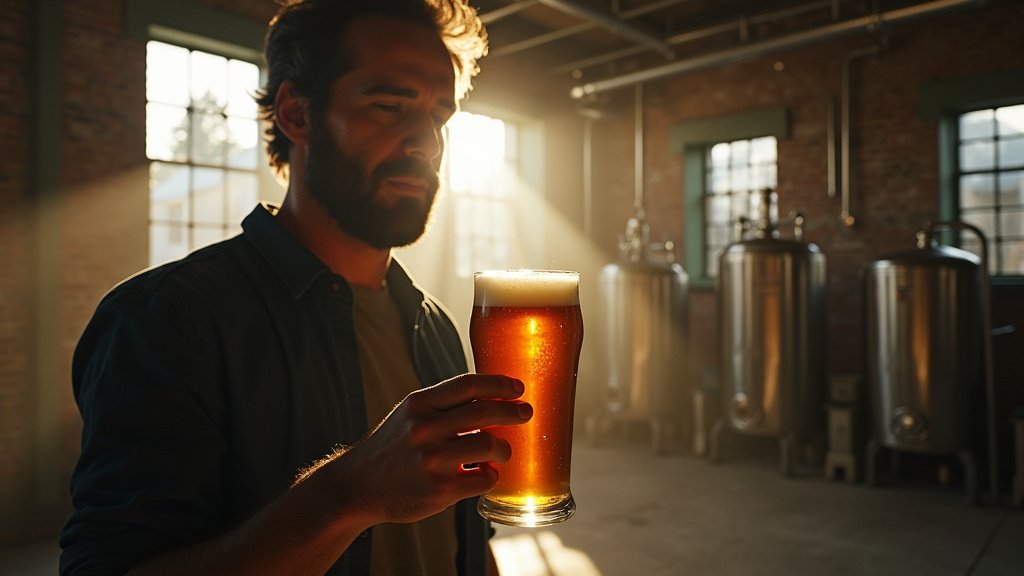
The Oregon beer industry reached its annual fever pitch on October 3, 2026, as the Oregon Beer Awards concluded its prestigious fresh hop competition. Amidst a landscape of 44 competing breweries and 134 distinct entries, the event served as a definitive showcase of the Pacific Northwest’s unmatched ability to harmonize raw, agricultural harvests with high-level brewing science. The judges, tasked with evaluating the ephemeral qualities of fresh-picked hops, faced the difficult challenge of distinguishing excellence within a field defined by extreme time sensitivity and fleeting sensory profiles.
The Logistics of the Harvest: A Race Against Time
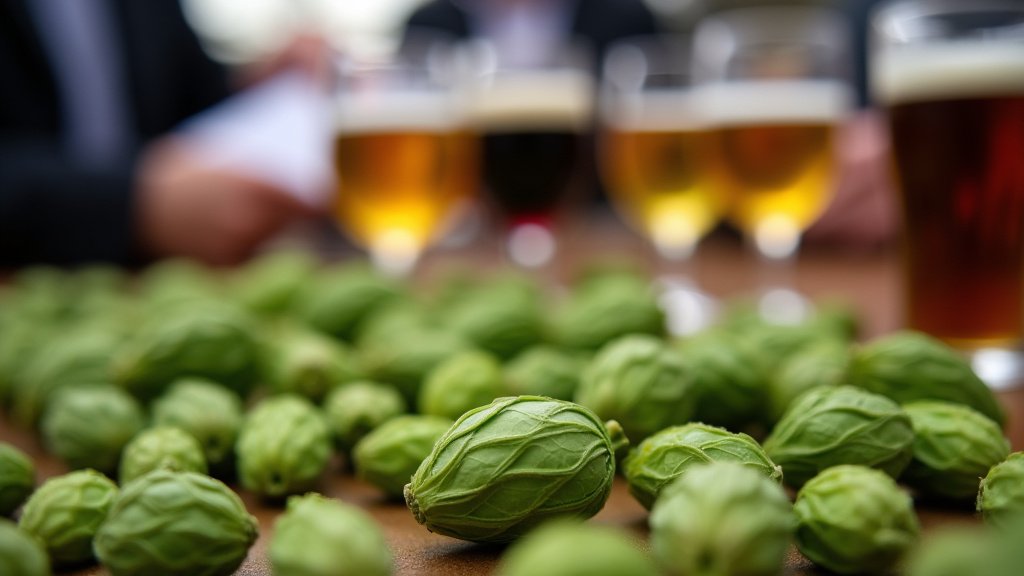
Fresh hop brewing is widely regarded as the most logistics-heavy practice in the craft beer industry. Unlike traditional brewing, which utilizes kiln-dried pellet hops with a long shelf life, fresh hop beers require the use of raw, un-dried flowers, often referred to as “wet” hops. The rule of thumb in the industry is that the hop cone must travel from the bine to the kettle within 24 hours to prevent degradation, rot, and the development of grassy, unpleasant off-flavors.
For the 2026 competition, this logistical constraint was on full display. The participating 44 breweries demonstrated not only their creative blending capabilities but also their supply chain agility. The winning entries were characterized by their ability to capture the “green” character of the hop—the distinct, herbaceous, and lupulin-heavy punch that is lost the moment the hop cone begins to dry. Judges were specifically trained to look for a clean, vibrant hop character that complements, rather than overwhelms, the malt backbone of the beer.
Evaluating Complexity in the Fresh Hop Category
At the 2026 Oregon Beer Awards, the judging panel employed a rigorous scoring rubric designed to isolate the specific contributions of the fresh hop harvest. The competition was split into three categories, allowing judges to compare “apples to apples” in terms of style and intent. The primary metrics included aroma intensity, flavor clarity, and the absence of “vegetal” or “chlorophyll” notes that often plague inexperienced attempts at fresh hop brewing.
One of the most notable trends observed during the October 3rd judging was the nuanced use of varietals. While classic PNW hops like Centennial and Cascade remained staples, there was a visible uptick in the use of newer, high-oil cultivars that thrive in the Oregon climate. The winning beers managed to balance the extreme aromatic intensity of these oils with the delicate, ephemeral notes that can only be extracted from a fresh, unprocessed cone. This level of technical execution is what separates the award-winning breweries from the rest of the pack.
The Economic and Cultural Engine of Oregon Hops
Beyond the medals and the prestige, the Oregon Beer Awards fresh hop competition serves as a vital economic engine for the region. The proximity of Oregon’s major hop-growing regions—primarily the Willamette Valley—to the state’s brewing hubs creates a symbiotic relationship between farmers and brewers. This competition highlights the agricultural impact of brewing, reinforcing Oregon’s status as a global leader in both hop production and beer innovation.
For the breweries involved, a medal at the Oregon Beer Awards is a significant marketing asset. It provides immediate validation in a crowded marketplace where “fresh hop” has become a seasonal buzzword. By vetting the entries through a blind, expert-led process, the awards ensure that the title of “Fresh Hop Champion” retains its integrity, preventing consumer confusion and elevating the standards of the entire industry.
Scaling for the Future: Innovations in Brewing
Looking ahead, the 2026 competition has sparked conversations regarding the future of the category. As the industry matures, breweries are experimenting with new processing techniques, such as flash-chilling hops immediately after harvest to extend the transport window. This technological innovation could potentially expand the reach of fresh hop beers beyond the local region, though the purists in the industry argue that the magic of the fresh hop experience remains tied to its local, immediate nature.
Furthermore, the 2026 event underscored the importance of sustainability in the brewing process. With 134 entries, the cumulative impact of the harvest and the subsequent beer production is substantial. Conversations at the awards event suggested a move toward more integrated supply chains, where brewers and farmers coordinate at the planting level to ensure that the specific hop profiles required for award-winning beers are available in sufficient quantities. This predictive approach to brewing, fueled by the data and feedback from the competition, is likely to define the next decade of Oregon’s fresh hop success.