The Oregon craft beer landscape is undergoing a significant transformation. As the industry matures, the traditional model of a standalone production brewery with a basic tasting room is being superseded by highly curated, multifunctional venues. This year, the focus has shifted toward ‘experience-first’ taprooms, where high-quality beer is only the starting point. This report highlights six significant new brewery taproom and food hall openings across Oregon, marking a strategic pivot toward integration with local food systems and live entertainment.
Key Highlights
- The Food Hall Integration: Norte Brewing in Wilsonville is pioneering the micro-food hall model, allowing patrons to pair artisanal craft ales with diverse local culinary options.
- Experience-Driven Venues: Wolves & People in Newberg has successfully launched a rustic bar and music hall, blending farmhouse brewing traditions with a dedicated space for live performance.
- Economic Evolution: These openings reflect a broader trend of Oregon breweries serving as anchors for local economic development and neighborhood revitalization.
- Shift in Consumer Preference: There is a clear market trend moving away from warehouse-style drinking spaces toward aesthetically immersive, hospitality-centric environments.
The Evolution of the Oregon Taproom
The contemporary Oregon brewery is no longer defined solely by its brewing equipment or the specific hop profile of its latest IPA. Instead, it is being defined by its capacity to serve as a ‘third place’—a communal hub that exists outside of the home and the workplace. This shift is clearly evidenced by the recent wave of openings that prioritize atmospheric design and synergistic partnerships with food vendors.
Norte Brewing and the Rise of the Micro-Food Hall
Located in the growing hub of Wilsonville, Norte Brewing represents the cutting edge of this trend. By integrating a micro-food hall directly into the taproom floor plan, Norte is addressing a critical pain point in the modern craft industry: the ability to provide high-quality, varied food options without the prohibitive overhead of a full-scale commercial kitchen. This model allows the brewery to act as a platform for local chefs and food entrepreneurs, creating a symbiotic relationship that keeps patrons in the venue for longer durations and increases the average transaction value per customer.
Wolves & People: Bringing Music to the Taproom
While Norte focuses on the culinary experience, Wolves & People in Newberg is addressing a different experiential void: the lack of dedicated, purpose-built performance spaces within smaller brewery settings. Their new rustic bar and music hall design is not an afterthought; it is a central pillar of their business strategy. By incorporating professional-grade acoustics and stage lighting into a rustic setting, they are attracting a broader demographic of patrons who seek an evening of entertainment rather than a simple tasting flight. This move acknowledges that in an saturated market, breweries must compete not just with other beer producers, but with wine bars, cocktail lounges, and performance venues.
The Secondary Angles of Growth
Beyond these flagship examples, the industry is witnessing three critical secondary trends:
1. Hyper-Localization: These new taprooms are increasingly sourcing ingredients, food partners, and even local musical talent from within a 20-mile radius. This reduces the carbon footprint and strengthens ties to the local community, which acts as a hedge against global market volatility.
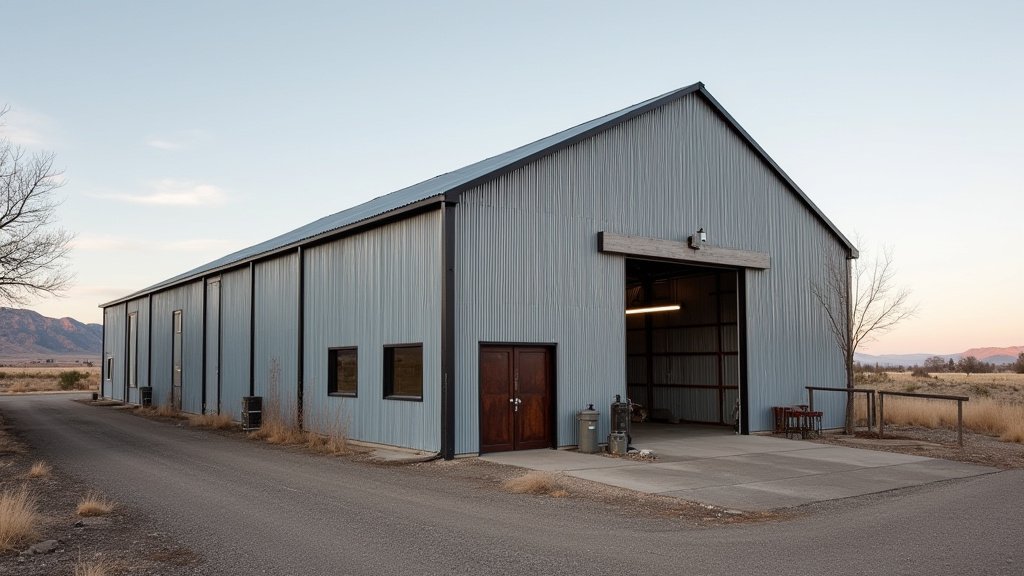
2. Architectural Repurposing: Many of the six new openings are utilizing retrofitted spaces—old warehouses, barns, or commercial buildings—that carry historical significance. This architectural authenticity is a major draw for modern consumers who value ‘place’ over ‘brand’ uniformity.
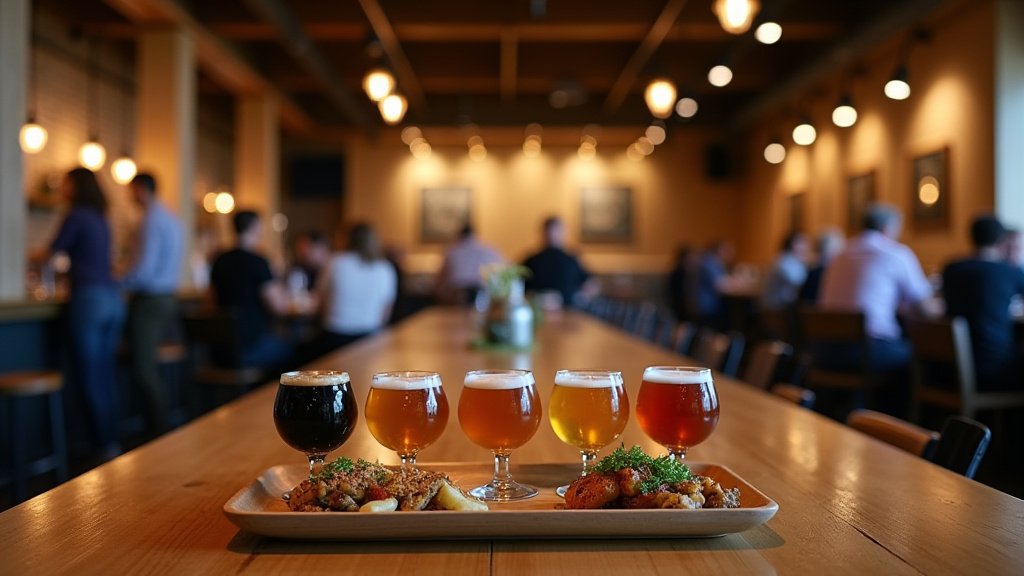
3. The ‘Flight’ Economy: We are observing a departure from pint-only models to more flexible ‘experience flight’ menus. Patrons are increasingly seeking educational opportunities within the taproom, where guided beer and food pairings are treated with the same reverence as a curated wine tasting menu.
FAQ: People Also Ask
Q: Why are breweries moving toward the food hall model?
A: The food hall model significantly lowers operating complexity for brewery owners. By leasing space to independent culinary vendors, breweries can offer diverse dining experiences without managing the labor, inventory, and health code complexities of a full-service restaurant, while simultaneously increasing foot traffic.
Q: How does the new taproom experience impact local tourism?
A: These venues function as destination anchors. By offering music, high-quality food, and unique atmosphere, these breweries attract visitors from outside the immediate city limits, contributing to local hospitality taxes and supporting surrounding businesses.
Q: Are these six openings part of a larger trend in Oregon?
A: Yes. Oregon, which has long been a leader in the craft beer industry, is currently undergoing a ‘refinement phase.’ Breweries are focusing on operational efficiency and customer retention through ‘experience-first’ business models as the overall market for standard craft beer stabilizes.
Q: How do these new venues compete with traditional bars?
A: They compete by offering a ‘community-first’ environment. Unlike traditional bars, these breweries are often family-friendly during the day, emphasize the craft production process, and offer a more specialized, locally-sourced beverage menu that cannot be replicated by standard commercial tap houses.