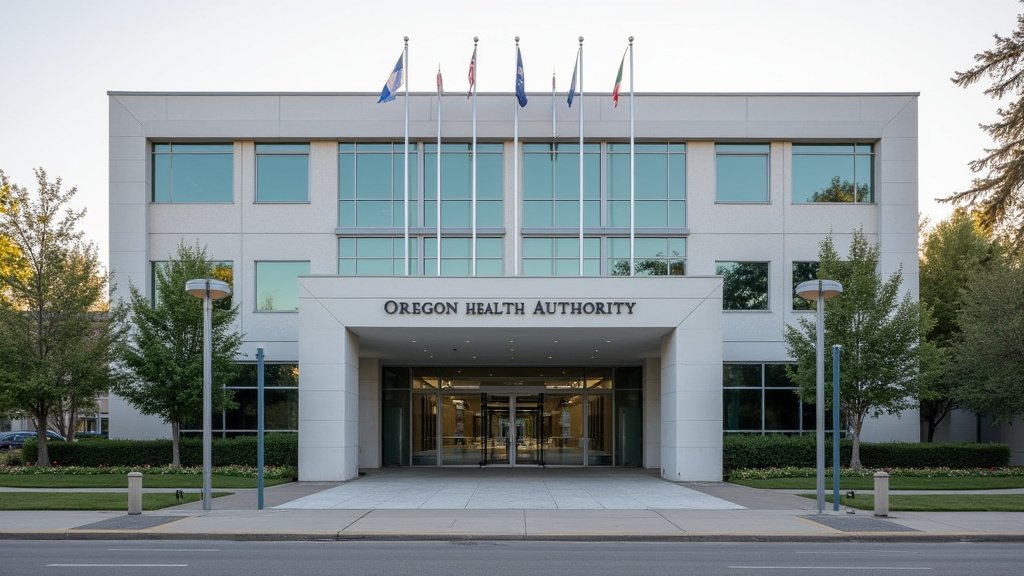
The Oregon Health Authority (OHA) is standing at a critical juncture in patient-centered healthcare, preparing to convene a Rules Advisory Committee meeting on September 15, 2026. This gathering serves as a pivotal step in the implementation of House Bill 4142, widely recognized as “Ryan’s Law.” The legislation seeks to bridge the gap between strict facility regulations and the compassionate, palliative needs of patients requiring medical marijuana. As the state moves toward a January 1, 2027, effective date, healthcare administrators, hospice providers, and patient advocates are bracing for a transformative shift in how residential care facilities manage therapeutic cannabis protocols.
Key Highlights
- Legislative Milestone: The Rules Advisory Committee will meet on September 15, 2026, to finalize protocols for HB 4142, also known as “Ryan’s Law.”
- Expanded Eligibility: The bill explicitly broadens access to medical marijuana for patients currently receiving palliative and hospice care.
- Residential Mandates: New operational requirements will be established for residential facilities to safely store and administer medical cannabis, effective January 1, 2027.
- Focus on Compassion: The regulations aim to remove administrative barriers that currently prevent terminally ill patients from accessing physician-approved symptom management.
Navigating the New Landscape of Palliative Cannabis Access
The upcoming Rules Advisory Committee meeting marks the culmination of a multi-year effort to modernize Oregon’s medical marijuana framework. For years, the intersection of strict federal classification and state-regulated medical cannabis has created a “gray zone” in hospice settings. Many residential facilities, fearful of jeopardizing federal funding or violating outdated administrative rules, have effectively prohibited medical marijuana use on-site, even when prescribed by a physician for severe pain management or palliative relief.
House Bill 4142 changes this dynamic fundamentally. By codifying the right to access medical cannabis within residential care, the state is effectively treating marijuana as a standard pharmaceutical intervention. This is not merely a policy change; it is a shift in clinical philosophy that prioritizes the patient’s comfort and end-of-life autonomy over outdated administrative convenience.
The Mechanics of Implementation: What Changes in 2027?
The September 15 meeting is tasked with answering the “how” of the legislation. While the law provides the mandate, the Rules Advisory Committee must determine the precise mechanics of safety and administration. Key areas of discussion include:
1. Secure Storage Protocols: How residential facilities will be required to store medical marijuana to prevent diversion while ensuring immediate access for the patient.
2. Staff Training and Administration: Defining the role of nursing and care staff. Will facilities be required to have designated staff trained in the administration of various cannabis delivery systems, such as oils, tinctures, or vaporized forms?
3. Documentation and Compliance: Establishing a standardized reporting system that satisfies both state health oversight and potential federal auditing standards.
These technicalities are significant. Facilities that have historically operated under a “zero-tolerance” policy will need to overhaul their internal handbooks, insurance policies, and liability waivers. The OHA’s guidance following the September meeting will serve as the rulebook for these massive operational adjustments.
Addressing the Ethical Divide
The passage of Ryan’s Law highlights an ongoing secondary angle in modern healthcare: the tension between rigid institutional regulations and the evolving reality of patient-centered care. For decades, the medical establishment has viewed cannabis through a lens of potential abuse or regulatory liability. However, as more states legalize medical marijuana, the medical community is forced to re-evaluate these risks against the tangible benefits of symptom management in hospice care.
Physicians who specialize in palliative care have long argued that denying a terminally ill patient their preferred method of pain management—especially when that method is a state-legalized medical product—is an ethical failure. By forcing residential facilities to accommodate these needs, Oregon is moving to eliminate the “patient-transfer” problem, where families are forced to move loved ones out of preferred facilities simply to access authorized medication.
Future-Proofing Care: Beyond 2027
Looking toward January 1, 2027, the success of Ryan’s Law will depend on the clarity of the administrative rules finalized this month. If the OHA creates a framework that is too burdensome, facilities may struggle with compliance, leading to unintended restrictions on access. Conversely, a streamlined, logical, and safety-focused set of rules could turn Oregon into a national model for how to integrate medical cannabis into traditional care facilities.
There is also the question of insurance and billing. As medical cannabis gains legitimacy in hospice care, the industry must eventually address whether these treatments will be covered under standard healthcare plans or if they will remain a strictly out-of-pocket expense for patients. While HB 4142 does not mandate insurance coverage, it sets the stage for future legislative battles regarding the financial accessibility of palliative cannabis therapies.
Ultimately, the September 15 meeting is more than just a bureaucratic checkbox. It is an acknowledgment that terminal care must adapt to the modern medical landscape, ensuring that the dignity and comfort of patients remain the primary focus of the Oregon healthcare system.
FAQ: People Also Ask
Q: What is the primary purpose of House Bill 4142 (Ryan’s Law)?
A: The primary purpose is to expand access to medical marijuana for patients in residential palliative and hospice care, ensuring that facilities cannot arbitrarily deny access to physician-prescribed cannabis therapies.
Q: When will the new rules take effect?
A: The new regulatory framework, which is currently being developed by the Rules Advisory Committee, is scheduled to go into effect on January 1, 2027.
Q: How will this affect current residential care facilities?
A: Facilities will need to update their internal policies and operational procedures regarding the storage, handling, and administration of medical marijuana to comply with the new OHA rules established post-September 15, 2026.