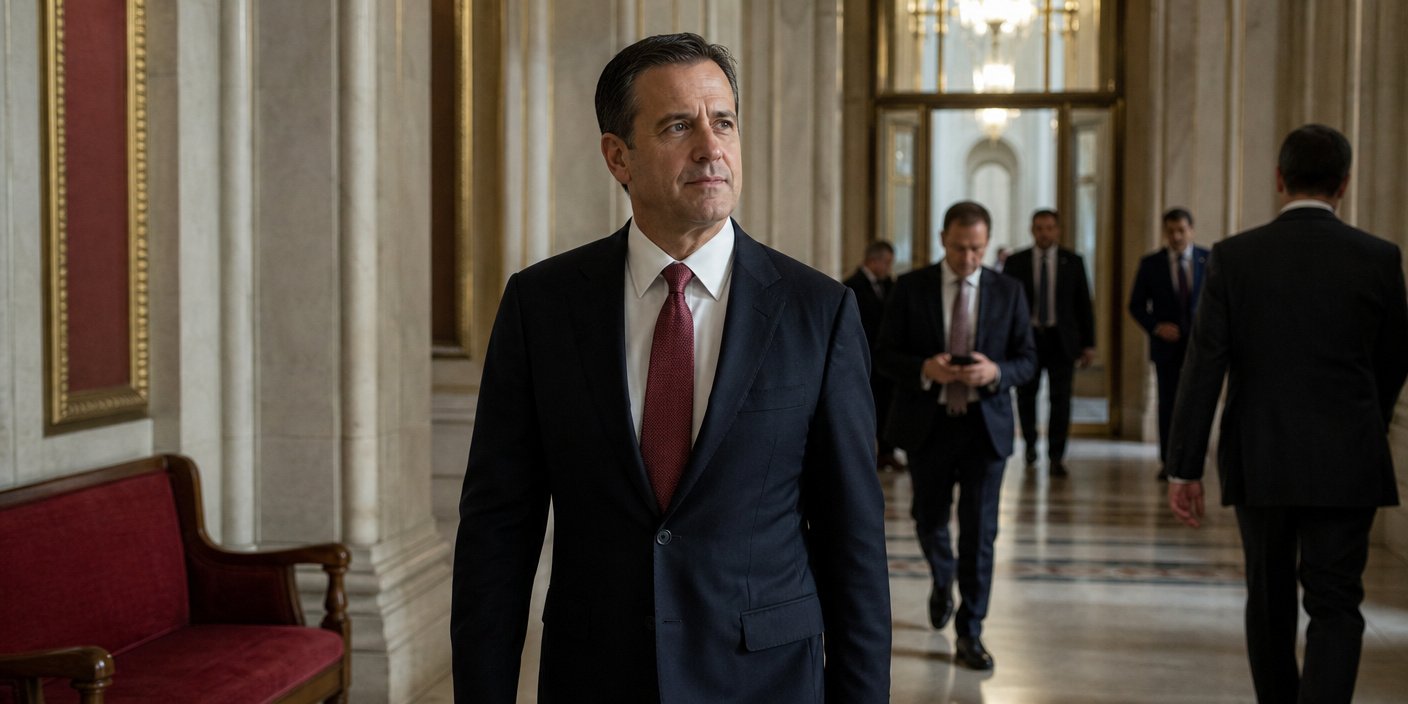
CIA Director-designate John Ratcliffe has reportedly undertaken a covert diplomatic mission to Moscow, floating a high-stakes proposal to bring U.S. President Donald Trump, Russian President Vladimir Putin, and Ukrainian President Volodymyr Zelenskyy to the negotiating table. This bold diplomatic gambit, aimed at gauging interest in resuming peace negotiations, marks a significant, if unofficial, shift in the trajectory of the ongoing Russia-Ukraine conflict, revealing a stark divide in reception between the involved international stakeholders.
Key Highlights
- The Proposal: CIA Director John Ratcliffe traveled to Moscow to gauge the feasibility of a high-level tripartite summit involving Trump, Putin, and Zelenskyy.
- Divergent Responses: While Ukrainian President Zelenskyy has reportedly signaled an openness to the initiative to break the stalemate, Russian leadership remains resistant to the proposal.
- The Goal: The mission functions as a “diplomatic temperature check,” aiming to determine if the political landscape can support a formal structure for de-escalation.
- Strategic Shift: This intervention underscores a new, direct approach by the incoming U.S. administration to engage in high-level backchannel diplomacy.
The Diplomacy of Shadows: Navigating the Moscow Gambit
In a move that has sent ripples through the international intelligence community, the recent covert visit to Moscow by CIA Director John Ratcliffe represents more than a routine exchange of information; it serves as a calculated test of geopolitical will. By proposing a summit that would physically or virtually unite the primary actors of the current conflict—President-elect Donald Trump, President Vladimir Putin, and President Volodymyr Zelenskyy—the U.S. is attempting to bypass traditional diplomatic channels that have, to date, failed to yield a ceasefire or sustainable peace agreement.
The Anatomy of the Proposal
The intelligence-led proposal is predicated on the idea that the current stalemate in the Russia-Ukraine theater requires direct, presidential-level intervention. Ratcliffe’s visit to the Russian capital was designed to assess the absolute threshold of Russian tolerance for such a meeting. Unlike standard diplomatic summits, which are often the result of months of preparatory “shuttle diplomacy,” this proposal is an attempt to force a fundamental “yes” or “no” from the Kremlin regarding the concept of a multi-lateral dialogue.
Sources familiar with the discussions indicate that the proposal was not merely about logistics, but about establishing a baseline of willingness. For the United States, the primary objective was to determine if Moscow views the current administration’s intervention as a viable framework for negotiations or if they remain committed to their current strategic position, regardless of who occupies the White House.
The Ukrainian Calculation
For President Zelenskyy, the reception to this proposal appears distinct from that of the Kremlin. Information suggests that Kyiv is receptive to the idea, largely because the Ukrainian administration recognizes the necessity of international leverage to counter current battlefield pressures. Zelenskyy’s willingness to entertain a summit with the U.S. and Russia indicates a pivot toward prioritizing a negotiated settlement, provided that the terms of such a dialogue maintain Ukraine’s sovereignty and territorial integrity.
However, this openness is fraught with risks. A meeting that includes Putin places Zelenskyy in a position where he must balance the need for peace against the reality of domestic political opposition and the fear that any concession could be interpreted as weakness. For Kyiv, the U.S. participation is the essential “security guarantee” that makes such a meeting palatable.
The Kremlin’s Resistance
Conversely, the feedback from Moscow has been characterized by stiff resistance. Despite the high-profile nature of the overture from an incoming CIA director, the Russian Federation appears unwilling to pivot from its established war goals. Analysts suggest that for Putin, a summit involving Zelenskyy is not merely a logistical challenge but a symbolic recognition that could undermine Russian domestic narratives regarding the legitimacy of the Ukrainian government. By remaining resistant, Moscow is signaling that it currently sees more value in continuing the status quo than in engaging in the uncertainties of a mediated summit.
The New Intelligence Statecraft
This incident highlights a broader trend in global politics: the weaponization of intelligence officials as primary diplomatic envoys. In an era where traditional state departments are often bogged down by bureaucratic friction and public scrutiny, using an intelligence chief to float sensitive trial balloons allows for a degree of “deniable diplomacy.” If the proposal fails, it can be minimized or framed as an exploratory mission; if it succeeds, the groundwork for a formal summit is laid without the initial risk of public failure.
This method of backchannel communication, while historically common, is being utilized with renewed urgency. Ratcliffe’s background as a key Trump ally makes him a unique conduit, possessing the president-elect’s ear and the institutional weight of the CIA. This combination is intended to show the Kremlin that the proposal carries the full authority of the incoming American executive branch.
Future Implications and Barriers
Despite the openness from Kyiv, the road to such a summit remains long and precarious. The primary barrier is not just the lack of consensus on the event itself, but the profound absence of trust. A meeting between Trump, Putin, and Zelenskyy would require ironclad security guarantees, a neutral venue that satisfies all parties, and a pre-agreed agenda that does not collapse at the first sign of disagreement.
Furthermore, the reaction of NATO allies and the broader international community remains a variable. Many European partners have been apprehensive about unilateral U.S. moves that could leave them sidelined in peace negotiations. As this story develops, the international gaze will remain fixed on whether the CIA’s exploratory mission can evolve into a concrete diplomatic pathway or if it will simply be recorded as another missed opportunity in the search for peace.
FAQ: People Also Ask
Q: Why was the CIA used to propose this meeting instead of the State Department?
A: Using the CIA director for this type of exploratory mission allows for “deniable diplomacy.” Intelligence officials can convey messages at the highest level of a foreign government without triggering the formal requirements, public scrutiny, or bureaucratic constraints of a State Department diplomatic mission.
Q: What is the main hurdle preventing the proposed summit?
A: The primary obstacle is Russian resistance. While the Ukrainian government has indicated interest in exploring the potential for talks, Moscow’s reluctance to engage with Zelenskyy in a tripartite setting remains the single largest barrier to realizing the meeting.
Q: Does this proposal signal a change in U.S. policy toward Ukraine?
A: The proposal indicates a clear preference for direct, high-stakes intervention by the incoming administration. It suggests a move away from prolonged, slow-moving diplomatic processes toward a more centralized, personality-driven negotiation strategy aimed at achieving immediate outcomes.