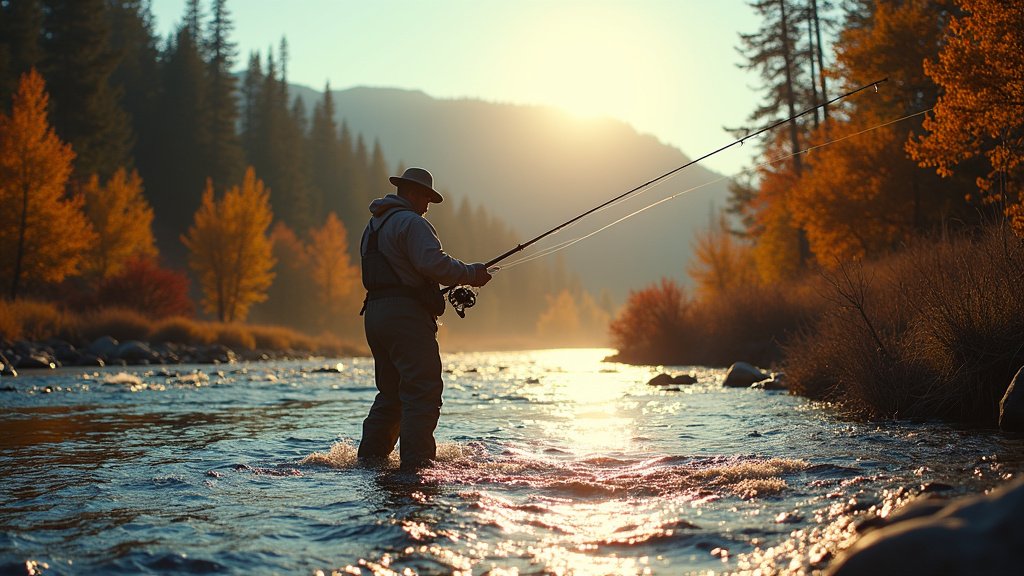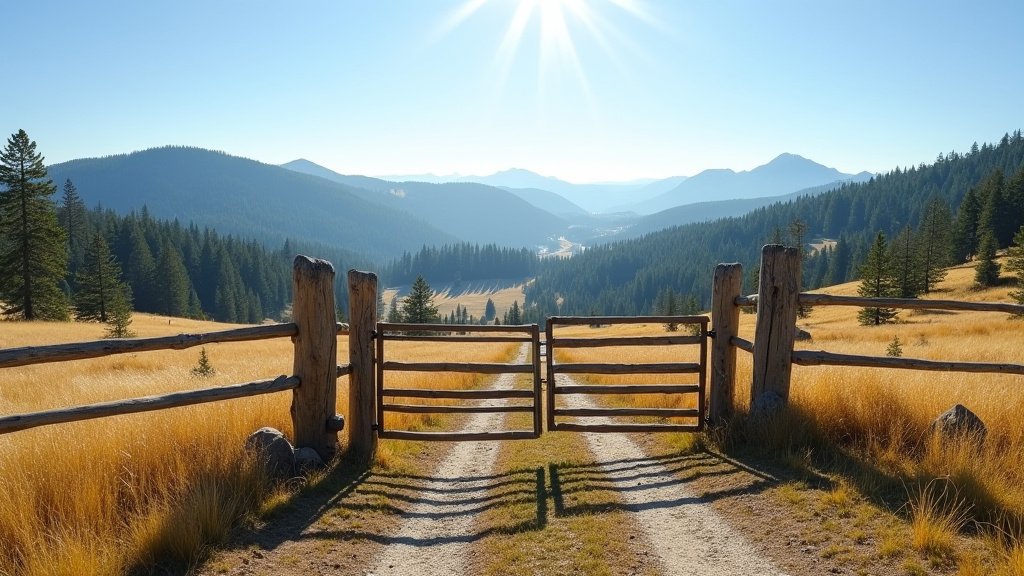
The Oregon Department of Fish and Wildlife (ODFW) has confirmed that effective August 29, 2026, various Access and Habitat (A&H) properties in Northeast Oregon will reopen to public use. This move, which comes as a relief to the hunting and outdoor recreation community, follows a period of restrictive measures necessitated by high fire danger. The decision is a direct result of cooler temperatures and recent precipitation that have significantly mitigated the risk of wildfire in the region, allowing for the safe resumption of public access to these critical landscapes.
Key Highlights
- Effective Date: Access to previously restricted A&H properties is reinstated starting August 29, 2026.
- Regional Scope: The reopening specifically targets Northeast Oregon, where fire conditions have stabilized.
- Reasoning: Improved weather patterns, characterized by a decrease in ambient temperatures and lower humidity, have reduced the active fire threat.
- Ongoing Vigilance: While access is restored, officials urge the public to continue practicing rigorous fire prevention and to stay updated on local restrictions.
Reopening the Gates: A Return to Northeast Oregon’s Wilds
The Oregon Department of Fish and Wildlife’s decision to reopen the Access and Habitat (A&H) areas signals a return to normalcy for outdoor enthusiasts who have been sidelined by the intense fire mitigation protocols earlier in the summer season. Northeast Oregon, known for its sprawling public and private lands, provides a critical ecosystem for both wildlife and the humans who interact with these spaces responsibly.
For the uninitiated, the A&H program is a cornerstone of Oregon’s conservation strategy. It involves a collaborative effort where the ODFW partners with private landowners to open their property for public hunting and recreational access. By providing financial incentives and project support, the state ensures that these lands remain accessible, preventing the fragmentation of habitats and providing sportsmen and women with valuable terrain. The recent closure was not merely about property management; it was a proactive stance against the potential ignition sources that often accompany recreational traffic during peak fire season.
The Mechanics of the Access and Habitat Program
The A&H program serves as a unique bridge between private agriculture and public recreation. In Northeast Oregon, these lands are vital for game population management, particularly for deer and elk herds that migrate between public forests and private agricultural valleys. When access is restricted, as it was during the peak fire risk weeks, it disrupts more than just human recreation—it halts the necessary flow of population management and conservation monitoring.
By lifting these restrictions, ODFW is effectively resetting the balance. The program relies heavily on the cooperation of landowners who must trust that public users will respect the land. The current reopening is contingent upon the continued responsibility of the public; should conditions change, or should fire safety protocols be violated, the risk of rapid, re-imposed closures remains a possibility.
Economic and Regional Impact
The closure of Northeast Oregon’s recreation areas carries a significant, albeit often overlooked, economic weight. Small towns such as La Grande, Enterprise, and Baker City rely on the seasonal influx of hunters, hikers, and anglers. When the “Closed” signs go up, the local hospitality, retail, and service sectors see an immediate contraction in revenue.
From a secondary angle, this reopening highlights the economic volatility inherent in climate-dependent tourism. The regional economy is increasingly tethered to the unpredictability of wildfire seasons. This necessitates a more robust strategy for local businesses to diversify income streams, ensuring that their viability isn’t solely dependent on the openness of the trails and fields. While this August 29 reopening provides a welcome lifeline, local business advocates are calling for longer-term planning to manage the financial shocks that inevitably arrive with late-summer fire closures.
Climate Adaptation and Future Management
A third, and perhaps most critical, angle is the shift in land management necessitated by a changing climate. The 2026 season has proven to be a test case for how agencies like the ODFW manage the intersection of extreme weather and public necessity. Historically, fire closures were rare; now, they are becoming an anticipated part of the summer cycle.
Future management strategies are shifting toward data-driven, hyper-local closures rather than broad, regional lockdowns. This means that instead of closing entire districts, agencies are utilizing localized weather sensors and fire mapping technology to make granular decisions. The reopening of these A&H areas is a success story for this adaptive management model. By waiting for specific, verified drops in fire danger indexes, the ODFW successfully minimized the closure duration without sacrificing public safety, a strategy that will likely become the blueprint for future seasons.
Staying Safe: A Reminder for Recreationalists
While the gates are opening, the landscape remains dry. Public users are reminded that just because access is permitted, it does not mean the fire danger has disappeared entirely. The ODFW emphasizes that users must still avoid parking vehicles on dry grass, must never build campfires outside of designated fire rings, and must adhere to all signage posted by both the ODFW and private landowners. The sustainability of the A&H program depends entirely on the public proving that they can navigate these lands without causing unnecessary incidents.
FAQ: People Also Ask
Q: Does this reopening apply to all public lands in Northeast Oregon?
A: No. This reopening specifically pertains to ODFW Access and Habitat (A&H) program properties. You should check the individual status of U.S. Forest Service or Bureau of Land Management lands separately, as they operate under different jurisdiction and may still have active closures.
Q: Will there be more closures this season?
A: While the ODFW aims to keep areas open, closures are entirely dependent on fire conditions. If weather patterns shift and fire danger increases again, additional closures could be implemented on short notice.
Q: Where can I find the most current map of open A&H areas?
A: The ODFW website maintains a real-time interactive map of all A&H access areas. Always consult this digital resource immediately before heading out, as ground conditions can change rapidly.
Q: Are there any specific safety protocols I should follow?
A: Yes. In addition to standard fire safety, ensure you have appropriate gear for the current, fluctuating temperatures and always carry enough water, as regional water sources may still be low due to the earlier heatwaves.