Dissenting elements within the Nigerien military have launched a coordinated assault on the Presidential Palace and Diori Hamani International Airport in Niamey, signaling a volatile resurgence of political unrest in the Sahel. The operation, which began in the early hours of the morning, has effectively paralyzed the capital, with heavy gunfire reported near strategic government installations. As of this writing, local authorities are engaged in a standoff, and international observers are scrambling to interpret the scope of what appears to be a calculated bid to seize control of the state apparatus.
Key Highlights
- Armed elements breached security perimeters at the Presidential Palace and the nation’s primary aviation hub, Diori Hamani International Airport.
- Military operations are currently centered in central Niamey, with reported clashes and roadblocks throughout the capital city.
- The Niger Armed Forces hierarchy is currently facing an internal fracture, with dissenting units challenging the central government’s authority.
- International stakeholders are monitoring the situation, as the airport shutdown halts both commercial and diplomatic air transit in the region.
The Crisis in Niamey: Strategic Flashpoints
The attempted coup represents a significant escalation in the ongoing fragility characterizing the Sahel region. By simultaneously targeting the Presidential Palace—the symbolic and functional center of political power—and Diori Hamani International Airport, the dissident military units have demonstrated a strategic intent to isolate the government while preventing external intervention or the escape of high-level officials.
The Airport Siege
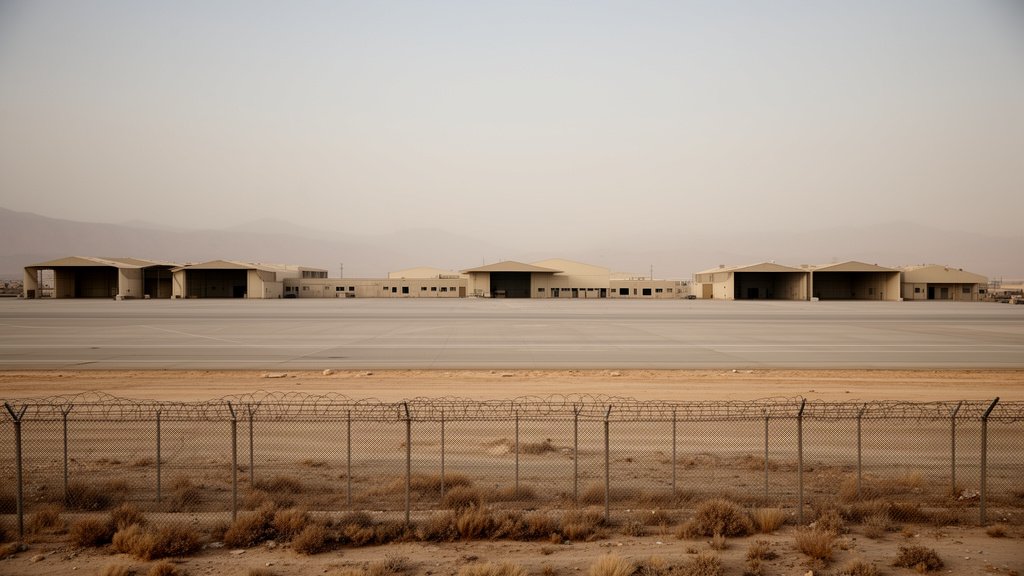
Control of the Diori Hamani International Airport is critical. In contemporary African geopolitical conflicts, airports serve as the primary lifeline for logistics, reinforcements, and diplomatic communication. The closure of this hub effectively isolates the country from immediate outside support, forcing a localized containment of the conflict. Eyewitness reports from the vicinity indicate that control towers have been vacated, and tarmac access has been restricted by armored vehicles, preventing scheduled flights from landing or departing. This move suggests the coup leaders are acutely aware of the logistical requirements of a successful transition of power and the necessity of maintaining a closed border to consolidate their position.
Assault on the Presidential Palace
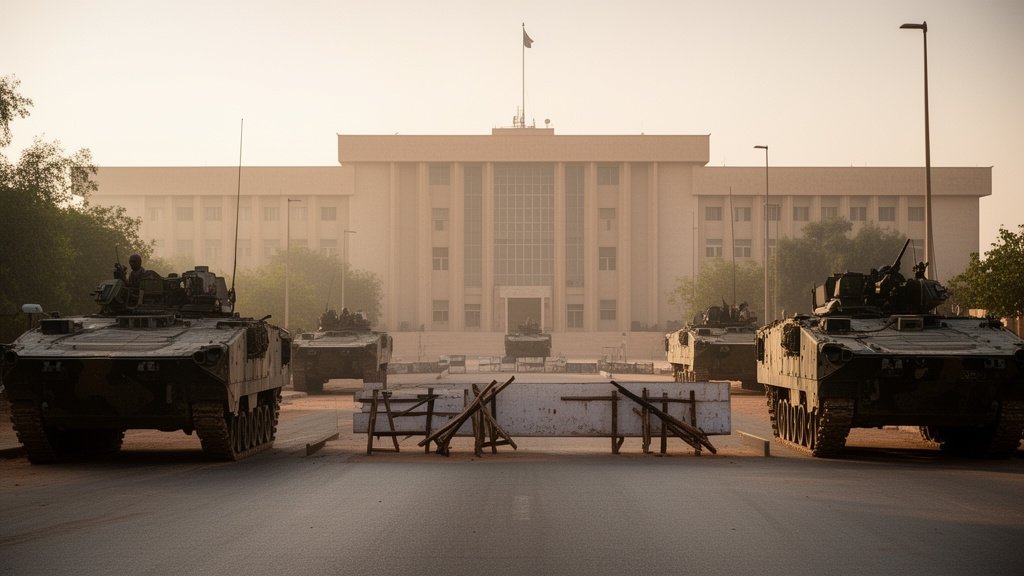
Concurrent with the airport blockade, the attack on the Presidential Palace highlights a direct challenge to the incumbent administration. The Palace, heavily fortified under normal circumstances, appears to have been caught off guard by the speed and coordination of the dissident elements. Gunfire in the district surrounding the Palace has intensified throughout the morning, forcing residents into hiding and suspending local commerce. The objective here is clear: the capture or neutralization of the executive branch to force an immediate political capitulation.
Geopolitical Context and the Sahelian Security Vacuum
To understand the gravity of this event, one must look at the broader regional security architecture. Niger has long been a pivotal state in the Sahel, acting as a crucial partner for Western nations in the fight against regional insurgencies and extremist groups. The collapse of internal military cohesion threatens to unravel years of progress in regional counter-terrorism efforts.
Fractured Command Structure
This event underscores a dangerous trend of factionalism within the Nigerien military. When armed forces are divided, the risk of civil conflict escalates exponentially. The current situation suggests that the dissidents have managed to subvert the established chain of command, creating a dual-authority scenario that leaves lower-ranking soldiers caught between opposing loyalties. Such fractures are rarely resolved quickly and often lead to prolonged periods of instability, economic stagnation, and humanitarian crises as resources are diverted from civilian services to the conflict.
Regional Impact: ECOWAS and Beyond
Neighboring nations and regional blocs, particularly the Economic Community of West African States (ECOWAS), are undoubtedly conducting urgent emergency meetings. The precedent of regional instability suggests that if this coup attempt gains traction, it will likely lead to sanctions, border closures, and an increased risk of regional economic isolation. For a country reliant on trade routes through its neighbors, a prolonged crisis in Niamey could result in severe inflationary pressure on food and fuel prices, disproportionately affecting the most vulnerable sectors of the Nigerien population.
Economic and Humanitarian Implications
The immediate economic impact is the cessation of foreign investment and a freeze on infrastructure projects. Investors prioritize stability above all else; the images of military hardware in the streets of Niamey will cause an immediate flight of capital. Furthermore, the humanitarian risk cannot be overstated. As electricity, water, and internet services face potential disruptions due to the ongoing fighting, the urban population is at extreme risk. Humanitarian NGOs are already preparing contingency plans for potential displacement if the violence spreads beyond the capital, though current data suggests the engagement is concentrated in key administrative zones. The sustainability of the state’s social contract is currently hanging by a thread, contingent on the resolution of this military standoff.
FAQ: People Also Ask
Q: What is the current status of Diori Hamani International Airport?
A: The airport is currently closed to all traffic due to the military operation. Reports indicate that the facility is under the control of the dissenting military elements, with all commercial flights grounded.
Q: Are there reports of civilian casualties?
A: While there is confirmed gunfire in the capital, concrete data on civilian casualties remains unavailable due to the volatility of the situation and the restriction of movement in central Niamey.
Q: What is the primary cause of the coup attempt?
A: While the precise motivations of the dissident units are yet to be officially declared, the attack points to deep-seated internal dissent within the military hierarchy regarding government policy and regional security management.
Q: How will this affect international relations?
A: This event is expected to trigger immediate diplomatic responses from regional powers and international allies, likely involving condemnations, demands for the restoration of order, and the implementation of restrictive measures if the crisis persists.