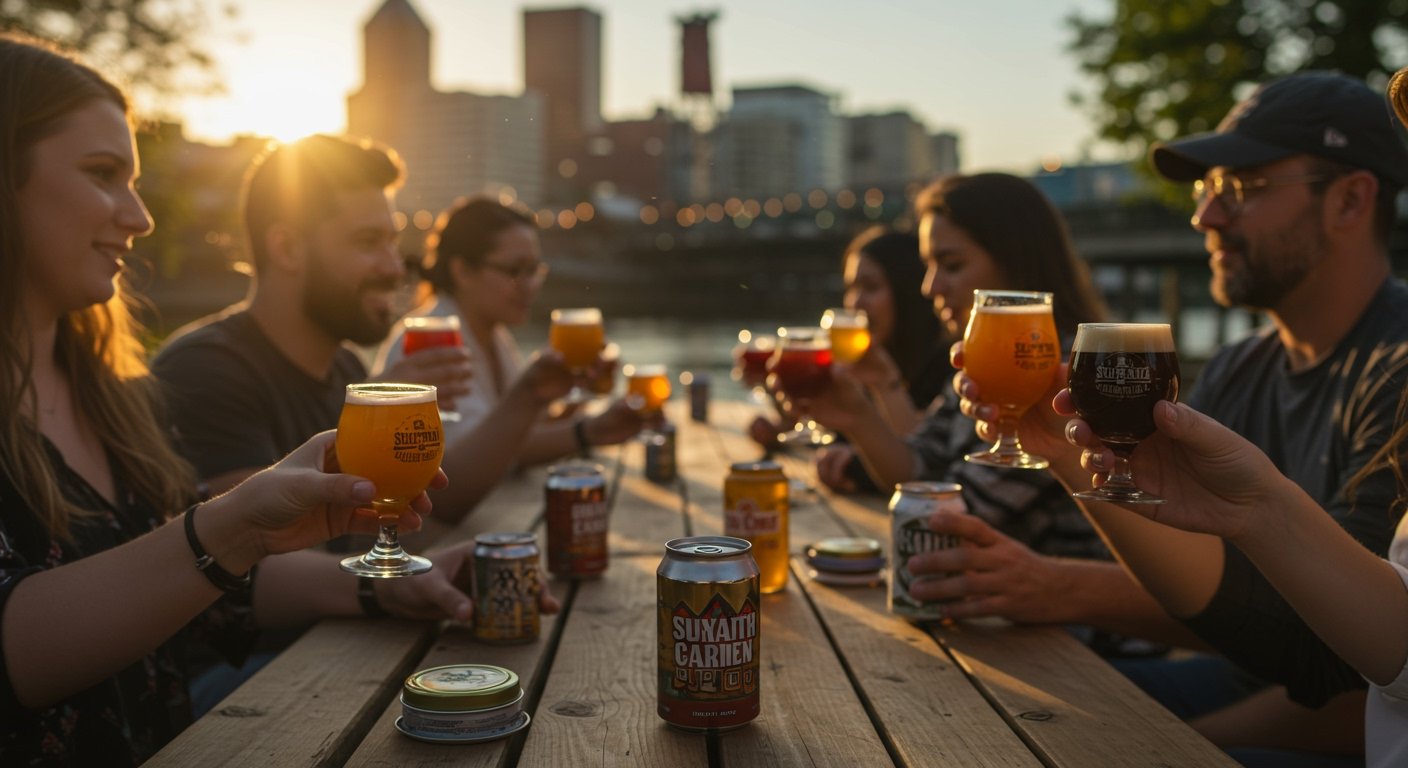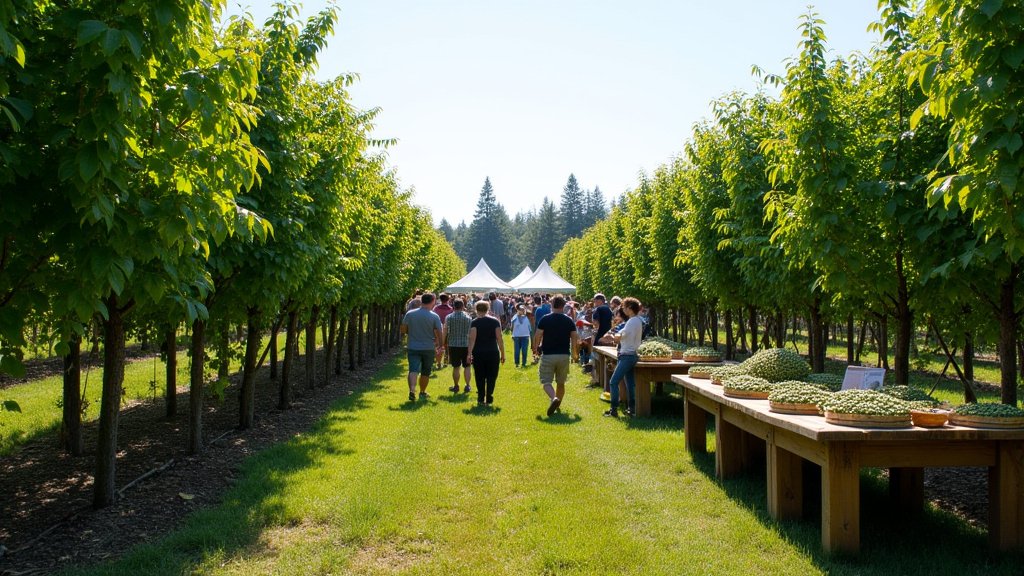
The vibrant fields surrounding the TopWire Hop Project near Woodburn, Oregon, are preparing to welcome craft beer enthusiasts and agricultural experts alike as the Oregon Hop Festival returns for its third consecutive year. Scheduled for September 12-13, 2026, this two-day event marks a significant milestone in the region’s agricultural calendar, celebrating the vital intersection of hop farming and modern brewing innovation. As the Pacific Northwest continues to dominate the global supply of premium hops, this festival serves as both a community celebration and an educational hub, offering attendees a rare glimpse into the complex process of bringing high-quality hops from the bine to the pint.
The Evolution of Oregon’s Premier Hop Showcase
Since its inception, the Oregon Hop Festival has rapidly transitioned from a local gathering into a destination event for beer connoisseurs. The third-year mark is often viewed in event management as a critical “incubation phase,” where the event moves from experimental to institutional. By anchoring the festival at the TopWire Hop Project—a site renowned for its immersive atmosphere amidst working hop yards—organizers have created an experience that cannot be replicated in a standard brewery taproom. The 2026 iteration promises to be the most ambitious yet, building on previous successes by expanding its educational footprint. Organizers have curated a lineup of more than 20 craft breweries, each tasked with showcasing the unique aromatic and flavor profiles of fresh-harvested hops. This focus on the “fresh hop” phenomenon—a specific style of beer brewed with hops used within hours of being picked—remains the festival’s primary draw and distinguishing factor in a crowded landscape of beer events.
The Science and Art of the ‘Fresh Hop’ Advantage
To understand why the Oregon Hop Festival is a calendar highlight, one must understand the distinct nature of fresh hop brewing. In the vast majority of brewing operations, hops are dried and kilned shortly after harvest to preserve them for year-round use. This process, while necessary for logistics, alters the chemical composition of the hop oils. Fresh hop beers, conversely, utilize raw, undried cones. This results in a “green” flavor profile characterized by notes of fresh grass, pine, resin, and citrus zest, which are often lost in the kilning process.
By timing the festival for mid-September, the event aligns perfectly with the Willamette Valley’s harvest window. This timing allows the 20+ participating breweries to pull hops directly from the fields surrounding the venue and incorporate them into their brewing process almost immediately. For the attendee, this offers a sensory experience that is impossible to replicate at any other time of year. The festival’s dedicated sensory stations will allow participants to rub, sniff, and taste raw hop cones alongside the finished beers, bridging the gap between the agricultural product and the finished craft product.
Agrarian Tourism and the Willamette Valley Economy
Beyond the beer, the festival serves as a critical driver of agri-tourism in the Woodburn area. The Pacific Northwest hop industry is a multi-million dollar economic engine, and the TopWire Hop Project acts as a living showroom for this industry. By inviting the public to tour the farms, organizers are demystifying the agricultural practices that sustain Oregon’s reputation as a beer capital. The event encourages attendees to walk the bines, learn about sustainable irrigation practices, and hear directly from the growers who manage the landscape. This transparency is increasingly important to modern consumers, who are placing a higher premium on farm-to-table traceability.
Preparing for the 2026 Experience
The 2026 schedule includes a mix of structured educational farm tours and casual social events. Attendees can expect a shift toward more interactive experiences, with industry experts on-site to discuss climate challenges, soil health, and the future of hop breeding programs. The combination of rural immersion and high-end brewery participation creates a unique duality: the setting is raw and industrial, yet the experience is refined and celebratory. As the festival enters its third year, the operational logistics have been smoothed, allowing for a better flow of traffic, more efficient beer service, and a deeper dive into the specific craft narratives of the participating breweries.
FAQ: People Also Ask
What makes a beer a ‘Fresh Hop’ ale?
A fresh hop ale is brewed using hops that have not been dried or processed after harvest. They are typically used within 24 to 48 hours of being picked, resulting in a more vivid, grassy, and floral flavor profile compared to beers brewed with dried or pelletized hops.
Can I tour the hop farms during the festival?
Yes, a primary component of the Oregon Hop Festival is the inclusion of farm tours. Attendees are invited to walk through the working hop yards at the TopWire Hop Project to see the harvest process firsthand.
How does the location at TopWire differ from a typical beer festival?
Unlike urban beer festivals held in convention centers or parking lots, the TopWire Hop Project is located in the middle of a working farm. This allows guests to drink beer while overlooking the very fields where the hops were grown, providing a deeper connection to the agricultural origins of the product.
Are there non-alcoholic options available for attendees?
While the festival focuses on craft beer, most modern Oregon-based beer festivals prioritize a variety of offerings, including local ciders, non-alcoholic craft beverages, and diverse food trucks. Attendees should check the official event website closer to the September 2026 date for the specific list of non-alcoholic vendors.