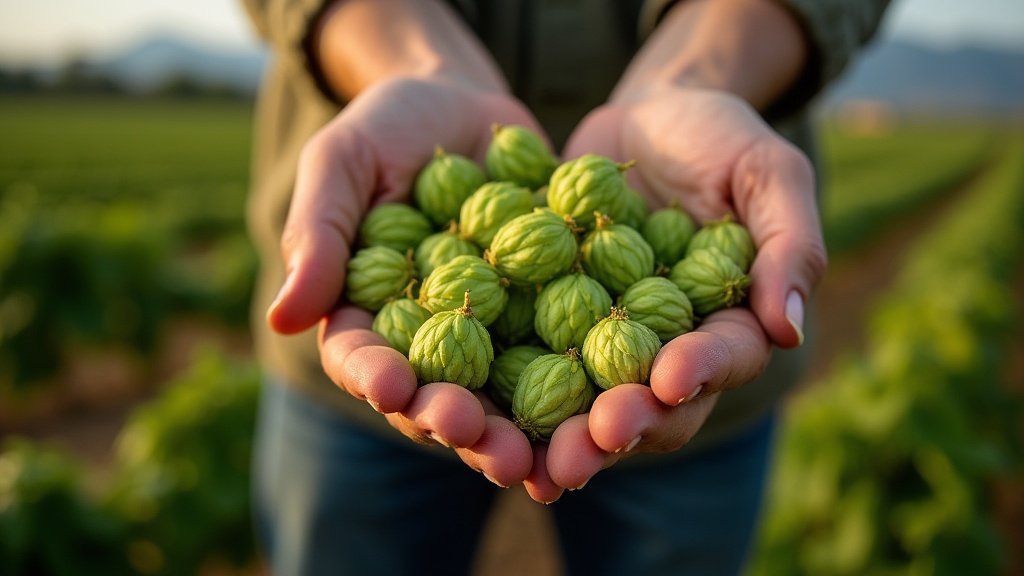
The concept of terroir—a French term traditionally reserved for wine—has migrated into the craft beer industry, finding its most potent expression in the hopyards of the Pacific Northwest. While consumers often focus on the hop variety listed on a can, the true secret behind the intense citrus, tropical, and piney notes of a Pacific Northwest (PNW) IPA lies in the environment. As the annual harvest window approaches, understanding the synergy between geographical factors and hop chemistry is essential for any serious beer drinker. The PNW, specifically the Yakima and Willamette Valleys, provides a unique confluence of conditions that result in the world’s most coveted aromatic hops.
The Geological and Climatic Foundation
At the heart of hop terroir is the soil composition. In the Yakima Valley, which produces approximately 75% of the United States’ hop crop, the soil is characterized by high-desert silt loam, frequently rich with volcanic ash deposits from the Cascade Range. This soil provides excellent drainage—a critical requirement for the vigorous Humulus lupulus plant—while simultaneously offering a mineral profile that encourages specific secondary metabolite production. When a hop plant undergoes mild stress, it directs more energy into developing lupulin glands, the tiny yellow sacs at the base of the hop cone where the essential oils and alpha acids reside. These oils, such as myrcene, humulene, and caryophyllene, are the building blocks of flavor. Furthermore, the region’s latitude (roughly 46 to 48 degrees North) is arguably the most critical climatic factor. This specific latitude ensures that during the critical growth phase, hops receive the maximum possible daylight hours. This extended photoperiod is necessary to stimulate the intense photosynthetic activity required for the plant to achieve the high alpha-acid concentrations and complex oil profiles synonymous with regional styles.
The Fluidity of Flavor: Water Management
Water is the lifeblood of PNW terroir. Unlike rain-fed agricultural regions, the hop industry in the Pacific Northwest relies heavily on sophisticated irrigation networks fed by snowmelt from the Cascade Mountains. This provides a consistent, reliable source of water that is low in heavy minerals, ensuring that the plant’s nutrient uptake remains uninhibited. However, the application of water—the timing and volume of irrigation—is as much an art as it is a science. Growers must carefully manage water levels to trigger just enough plant stress during the cone development phase to maximize resin production without stunting the harvest yield. This delicate balance creates the ‘fresh hop’ quality that beer enthusiasts seek during the harvest season. Fresh hops are harvested and transported to breweries within hours, capturing volatile aromatic compounds that are typically lost during the traditional pelletization and drying process. This captures a ‘snapshot’ of the growing season, where the drinker experiences the exact terroir of that specific farm and year.
Historical Context: From Agriculture to Craft Pillar
To understand the dominance of the PNW, one must look back to the mid-20th century. While hops were grown in the Northeast historically, the industry shifted west due to the prevalence of powdery mildew and verticillium wilt, which devastated Eastern crops. The PNW offered a drier, more controlled environment where these diseases could be managed. This historical shift essentially established the PNW as the global epicenter for proprietary hop breeding. Institutions like the USDA-ARS breeding programs in Corvallis, Oregon, have worked for decades in tandem with regional growers to develop cultivars that not only thrive in this specific terroir but define it. Varieties like Citra, Mosaic, and Simcoe were bred not just for disease resistance, but to exploit the unique environmental triggers found in these specific river valleys, essentially engineering the hop to turn the local climate into a flavor factory.
Adapting to a Changing Climate
While the terroir has historically been ideal, climate volatility is introducing new challenges. Higher peak summer temperatures and changing precipitation patterns are forcing growers to innovate. Increased heat can ‘cook’ the essential oils on the plant before harvest, stripping them of their delicate citrus and floral notes. In response, breeders are focusing on ‘climate-resilient’ cultivars that maintain oil integrity even during heat spikes. Additionally, precision agriculture—using soil moisture sensors and drone-based canopy analysis—is becoming the new standard. By monitoring the plant’s health at a molecular level, growers can adjust irrigation and nutrient applications in real-time to mitigate the effects of environmental stress, effectively ‘preserving’ the terroir against the backdrop of global climatic shifts.
Economic and Practical Implications for Breweries
The relationship between the farmer and the brewer is the final link in the terroir chain. Breweries often sign ‘selection contracts,’ traveling to the Yakima or Willamette valleys in late summer to walk the fields, rub the hops, and select specific lots that match their desired flavor profiles. Even within the same farm, hops grown on the south side of a field can taste distinctly different from those on the north side due to subtle variations in sun exposure and soil depth. This level of granular detail drives the craft beer market, where consumers are increasingly educated about regional provenance. For the drinker, understanding this means realizing that a beer brewed in one year will taste slightly different from the same recipe the next, as the terroir—the sum of the year’s rain, heat, and soil chemistry—is reflected directly in the glass.
FAQ: People Also Ask
1. What is the difference between a ‘fresh hop’ beer and a regular IPA?
Fresh hop beers (also called ‘wet hop’ beers) are brewed using hops that have not been dried or processed into pellets. They are harvested and used within 24–48 hours, resulting in a greener, grassier, and more delicate aromatic profile compared to the concentrated resinous punch of processed hops.
2. Does the soil really change the taste of beer?
Yes. While water chemistry for brewing is often adjusted by the brewer, the ‘terroir’ of the hop affects the raw material. The mineral composition of the soil in the PNW contributes to the health of the hop plant and the concentration of its secondary metabolites, which directly dictate the aromatic intensity and complexity of the resulting beer.
3. Why is the Pacific Northwest the center of US hop production?
It is a combination of ideal latitude for daylight hours, the presence of fertile silt loam soil, access to irrigation from mountain snowpack, and a relatively dry climate that minimizes fungal disease. These factors allow for high yields and the cultivation of the world’s most potent, high-alpha acid aroma hops.
4. How do I identify terroir in my beer?
Look for ‘Single Hop’ or ‘Single Origin’ beers. These highlight a specific variety grown in a specific region. By comparing the same hop variety grown in different years or different valleys (e.g., Yakima vs. Willamette), you can begin to notice the subtle differences in brightness, fruitiness, and resinous depth.