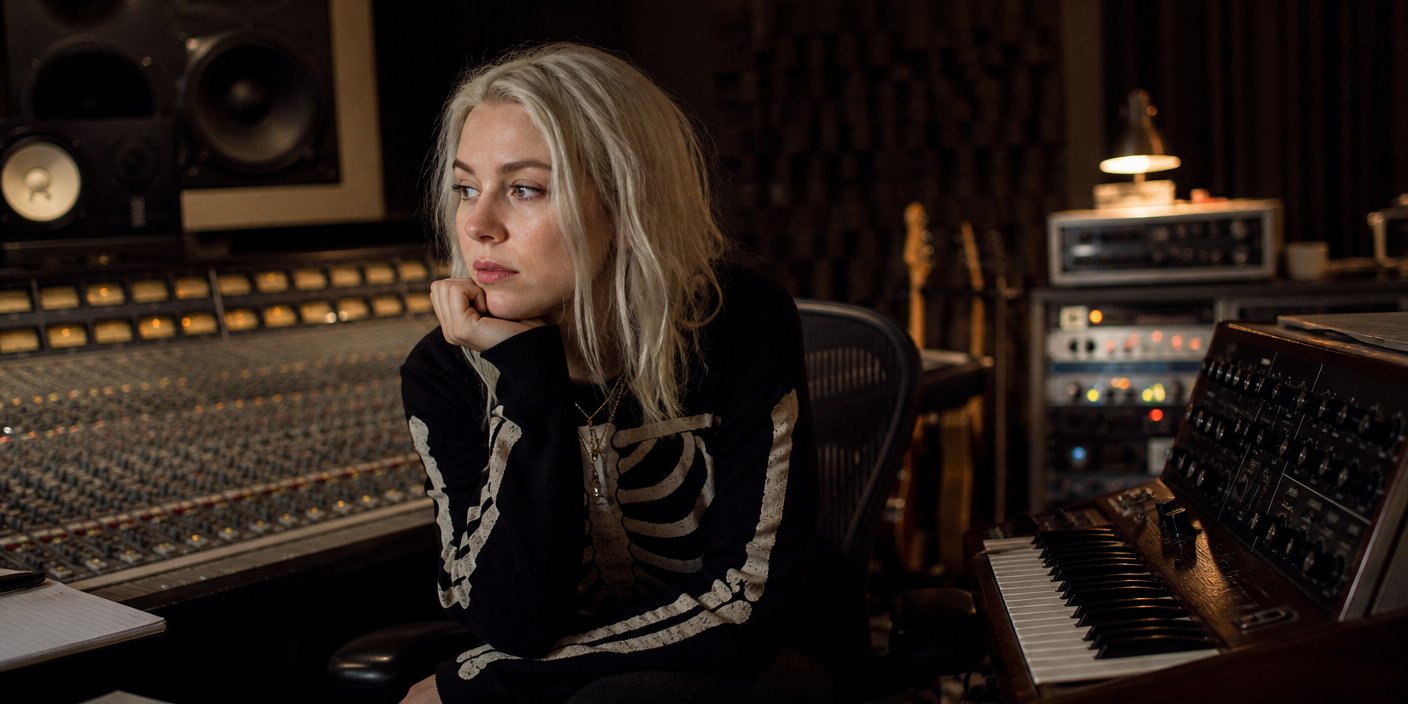
Phoebe Bridgers has officially ended her six-year solo recording hiatus, marking her return to the spotlight with the release of ‘Lost Weekend.’ Dropping on August 14, the 16-track album serves as a masterclass in modern introspection, blending the raw, confessional songwriting fans have come to expect with a new, expansive sonic palette. The project, which arrives during one of the industry’s most significant release windows, immediately positions itself as a contender for the definitive album of the year.
Key Highlights
- A Triumphant Return: The album marks Bridgers’ first major solo project in six years, ending a lengthy wait for her dedicated global fanbase.
- 16-Track Journey: ‘Lost Weekend’ delivers a sprawling 16-song tracklist that dives deep into themes of personal reckoning and digital-age fatigue.
- Industry Super-Team: The production features high-profile collaborations with super-producer Jack Antonoff and her esteemed boygenius bandmates, Julien Baker and Lucy Dacus.
The Anatomy of a Comeback: Analyzing ‘Lost Weekend’
The release of ‘Lost Weekend’ is not merely a collection of songs; it is a calculated artistic statement that addresses the specific anxieties of the 2020s. For years, the industry has speculated on the direction Bridgers would take following her previous solo work. The six-year gap between projects has allowed the artist to evolve, shifting from the intimate bedroom-pop sensibilities of her early days to a more cinematic, textured sound that mirrors the chaos of modern life.
The Sonic Evolution
Collaborating with Jack Antonoff has proven to be a pivotal decision. Known for his ability to amplify an artist’s distinct voice while pushing their production boundaries, Antonoff’s touch on ‘Lost Weekend’ is evident in the album’s layered instrumentation. Where previous records leaned on stark, acoustic arrangements, this project incorporates synthesized soundscapes that underscore the central theme: digital-age fatigue. The production quality creates a sense of space and disconnection, effectively translating the feeling of being chronically online into an audible experience.
Collaboration as a Catalyst
Beyond Antonoff’s involvement, the presence of the boygenius collective—Julien Baker and Lucy Dacus—adds a layer of collaborative intimacy that is rarely seen in mainstream releases of this scale. Their contributions are not mere cameos; they are structural elements of the album’s emotional scaffolding. By utilizing the rapport built through their successful band projects, the trio manages to create choral arrangements and harmonic structures that elevate the album’s more subdued moments into anthemic heights. This synergy highlights the collaborative spirit that has become a hallmark of Bridgers’ recent career.
A Reckoning with Digital Fatigue
At its core, ‘Lost Weekend’ is an inquiry into the cost of constant connectivity. Throughout the 16 tracks, Bridgers explores the exhaustion that stems from the modern human condition—where every personal experience is filtered through the lens of social media and global digital discourse. The ‘reckoning’ she describes is a dual one: first, a reckoning with one’s past self, and second, a reckoning with the tools we use to present that self to the world. It is a hauntingly relatable narrative for a generation grappling with the same pressures, making this more than just a musical release—it is a cultural mirror.
Industry Context and the New Music Friday Phenomenon
Releasing on New Music Friday, an industry standard, ‘Lost Weekend’ faced stiff competition. However, early streaming metrics and critical reception suggest that the album has successfully cut through the noise of the mid-August release cycle. This success confirms that while the industry landscape has shifted significantly over the last six years, the demand for authentic, high-concept alternative music remains incredibly high. The album serves as a reminder that artistic integrity and commercial viability are not mutually exclusive, provided the vision is as clear as it is on this record.
FAQ: People Also Ask
How many tracks are featured on Phoebe Bridgers’ ‘Lost Weekend’?
‘Lost Weekend’ is a substantial 16-track album, providing a comprehensive narrative arc that covers a wide emotional spectrum.
Who are the key collaborators on this album?
The album features heavy involvement from industry icon Jack Antonoff and Bridgers’ boygenius bandmates, Julien Baker and Lucy Dacus.
What are the main themes explored in the record?
The project primarily explores ‘digital-age fatigue’ and ‘personal reckoning,’ addressing the psychological impact of modern technology and the process of self-reflection.
How long has it been since her last solo project?
‘Lost Weekend’ marks the end of a six-year hiatus from solo album releases, making this the artist’s most anticipated work in recent memory.