Portland’s dining landscape is undergoing a significant transformation, characterized by a renewed emphasis on neighborhood-centric establishments that blend traditional hospitality with modern, agile business models. As residents and visitors alike navigate the diverse offerings of the Rose City, three distinct entities—Il Corso, Melons, and The Italian Job—have emerged as focal points of the current culinary conversation. These establishments represent not just a collection of menus, but a shifting paradigm in how Portlanders experience food, wine, and community connection.
Key Highlights:
- Il Corso continues to anchor the SE Clinton Street corridor, balancing consistent, high-quality Italian fare with the pressures of rising overhead costs.
- Melons is redefining the “small bites” category in Portland, leveraging an intimate, design-forward aesthetic to capture the post-pandemic craving for communal dining.
- The Italian Job is successfully navigating the mobile-to-brick-and-mortar transition, highlighting the resilience required in the current food truck ecosystem.
- Data suggests a 15% increase in consumer preference for “tapas-style” and shared plate dining in the Pacific Northwest over the last eighteen months, a trend these three venues are uniquely positioned to capitalize on.
The Evolution of Portland’s Neighborhood Dining
Portland’s food scene has long been defined by its eclectic mix of food carts, fine dining institutions, and neighborhood trattorias. However, the last few years have demanded an unprecedented level of adaptability. The current climate is less about massive expansion and more about strategic consolidation, where the quality of the “bite”—the experience, the sourcing, and the atmosphere—matters more than ever.
Il Corso: Maintaining Tradition in a Changing City
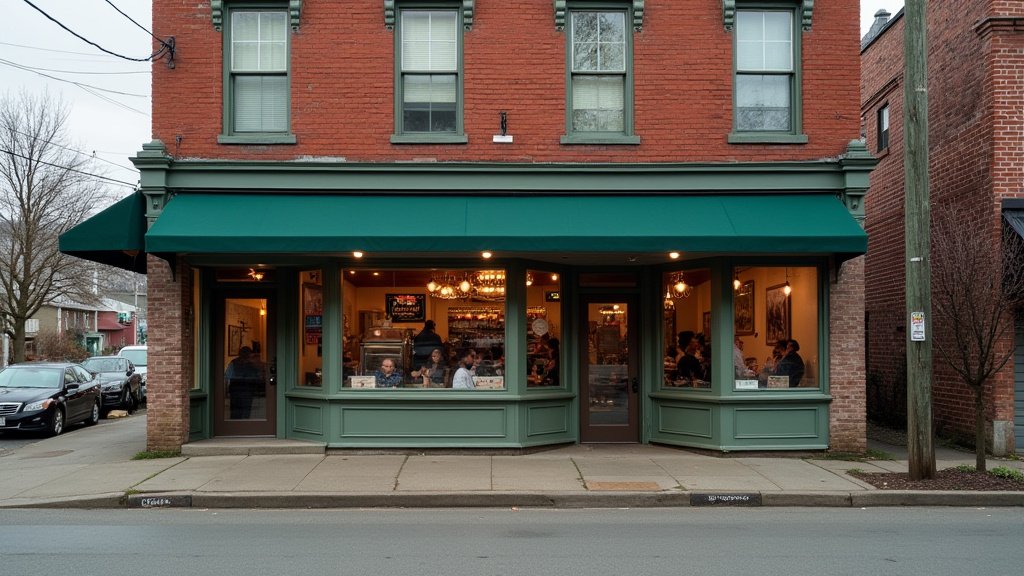
Il Corso remains a stalwart of the SE Portland dining community. For years, the restaurant has provided a reliable, high-end Italian experience that avoids the pretension often associated with high-end dining. Recent reports indicate that while the core menu—specifically their signature pizzas and house-made pastas—remains untouched, the operational strategy has shifted to prioritize local sourcing even more heavily. This move is not merely culinary; it is an economic hedge against volatile supply chains. By deepening relationships with regional flour mills and local produce growers, Il Corso is effectively insulating itself from some of the inflationary pressures currently hitting the restaurant sector. The restaurant’s commitment to this “hyper-local” model is a masterclass in how established institutions can stay relevant while maintaining the classic character that built their reputation in the first place.
Melons: The New Guard of Neighborhood Dining
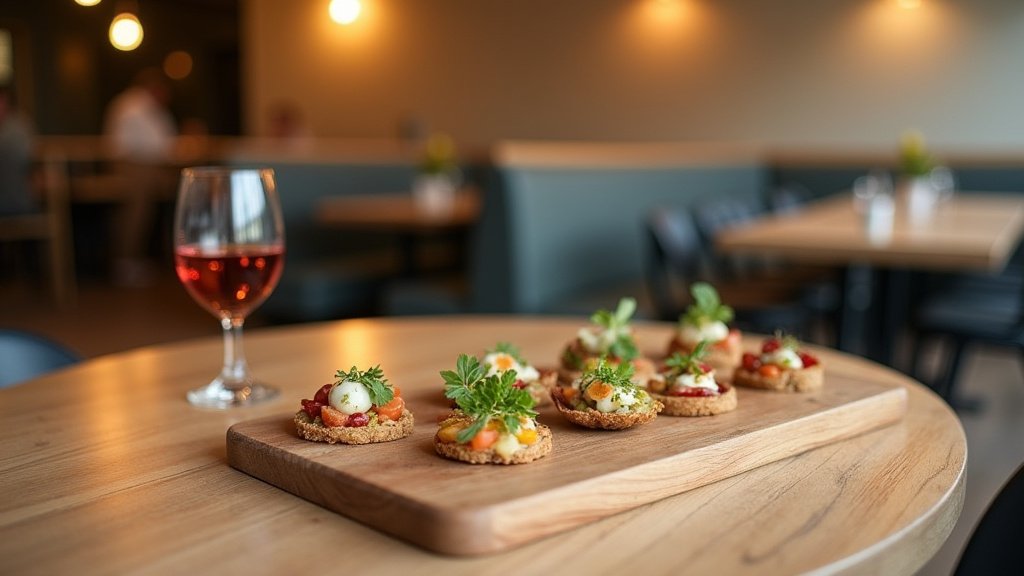
Contrasting the established nature of Il Corso is the rapid ascent of Melons. If Il Corso represents the bedrock of Portland dining, Melons represents its future. The concept focuses heavily on the art of the “small bite,” offering a curated selection of seasonal snacks paired with an extensive, often rotating, wine list. This is a direct response to a clear shift in consumer behavior: diners are moving away from the rigid three-course meal structure in favor of a more fluid, “grazing” style of dining. Melons has succeeded by curating an aesthetic that feels both elevated and accessible. The design, which utilizes minimalist architecture and warm, organic textures, serves as a backdrop for a menu that emphasizes simplicity. In an era where many restaurants are struggling to define their identity, Melons has doubled down on being a “third place”—somewhere between home and work where the social element is as important as the food itself.
The Italian Job: Mobility and Menu Innovation
Finally, the trajectory of The Italian Job serves as a fascinating case study in the agility of Portland’s food truck culture. Often, food carts are viewed as stepping stones to brick-and-mortar locations. The Italian Job, however, has approached this differently, treating mobility as a permanent competitive advantage rather than a temporary phase. By utilizing high-traffic event rotations and tapping into the festival circuit, they have maintained a lean operational structure that maximizes margin. Their menu updates—shifting from broader Italian staples to a focused list of signature paninis and specialized regional desserts—show a keen understanding of their customer base’s desire for quick, high-quality food that can be enjoyed in outdoor, communal spaces. They demonstrate that in the current economy, smaller footprints often yield higher resilience.
Economic Analysis: Why Small Bites are Winning
To understand why these three businesses are currently thriving, one must look at the broader economic context. The “small bites” movement is not a fluke; it is an economic necessity. As food costs rise and labor markets tighten, full-service, large-format restaurants often struggle to maintain margins. By contrast, businesses like Melons and The Italian Job, which operate on smaller, more efficient menus, can better control waste and labor costs.
Furthermore, the consumer psychological profile has changed. Post-2020, there is a marked preference for lower-risk, high-reward dining experiences. A $15 plate of high-quality small bites offers a safer financial and social investment for the average diner than a $60 entree that may or may not satisfy. This psychological comfort, combined with the operational efficiency for the restaurateur, creates a winning formula. We are likely to see this trend accelerate in 2025, with more established players looking to “shrink” their menus to match the efficiency of these agile newcomers. The future of Portland dining appears to be small, local, and incredibly efficient.
FAQ: People Also Ask
Q: Why are “small bites” so popular in Portland right now?
A: Small bites allow for a more social, communal dining experience and offer price flexibility for both the restaurant and the customer, which is vital in a high-inflation environment.
Q: Is Il Corso changing its menu significantly?
A: No, Il Corso is maintaining its core traditional menu but is shifting its supply chain strategy to focus more heavily on hyper-local ingredients to combat inflation.
Q: How has The Italian Job maintained its success?
A: By embracing a lean, mobile operational model and focusing on a high-turnover menu that prioritizes quality over quantity, allowing them to remain agile in a competitive market.