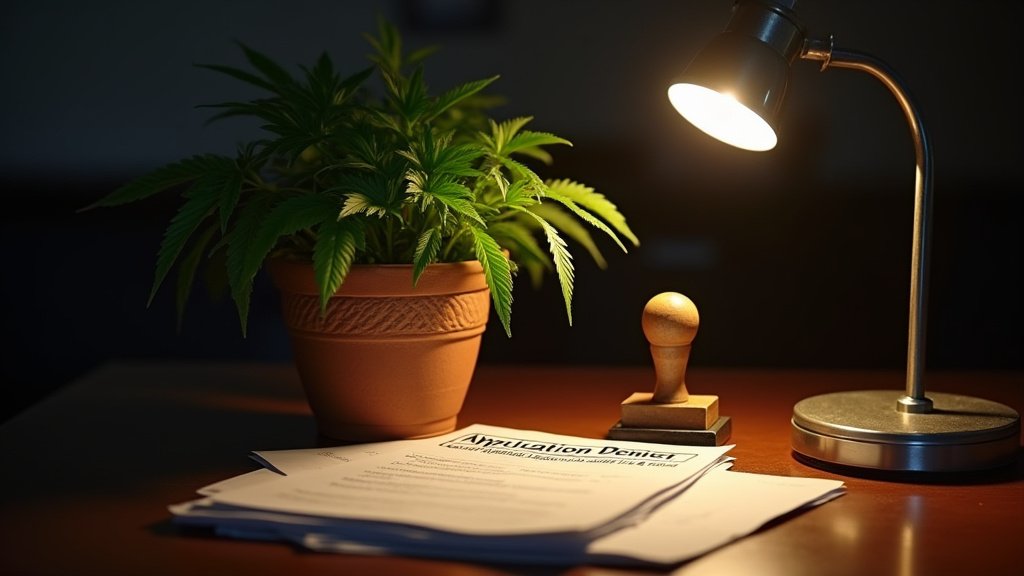
The alcohol industry has officially endorsed new legislation in Congress that would codify the legality of hemp-derived THC beverages, provided they are subject to alcohol-style taxes and regulations. This pivotal move signals a dramatic shift in how traditional spirits and beer conglomerates view the rising ‘brewed’ cannabis market. By seeking a seat at the regulatory table, major trade groups like the Distilled Spirits Council of the United States (DISCUS) and the Wine & Spirits Wholesalers of America (WSWA) are attempting to steer the industry toward a controlled, taxed, and legalized framework, moving away from the ‘Wild West’ landscape that has dominated the sector since the 2018 Farm Bill.
Key Highlights
- Formal Industry Endorsement: Leading alcohol trade groups are now lobbying for the federal regulation of hemp-derived intoxicating products, abandoning previous purely prohibitionist stances.
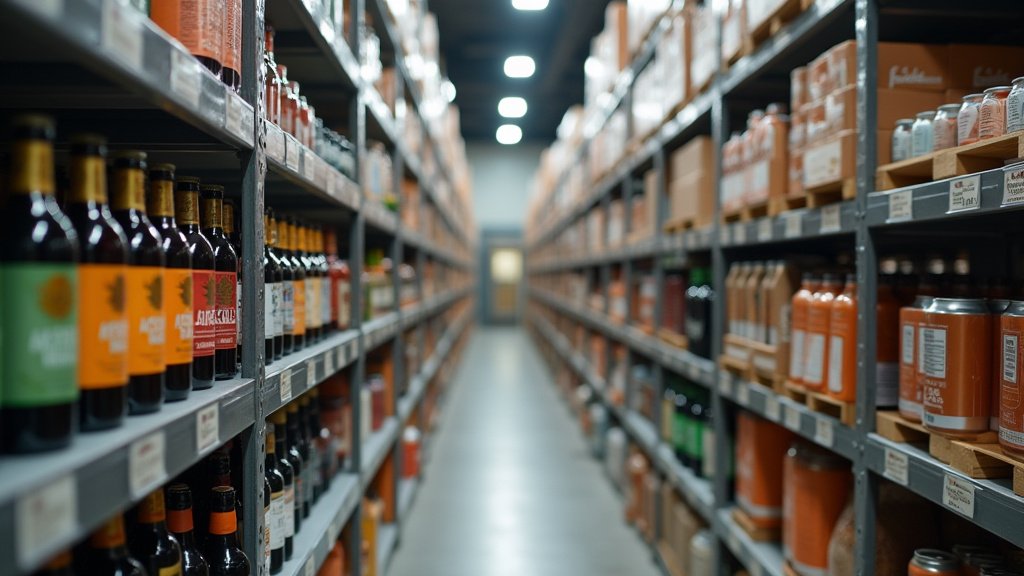
- The Three-Tier Objective: The core goal of this legislation is to integrate hemp-THC beverages into the existing three-tier distribution system used for alcohol, ensuring standardization.
- Tax and Compliance Focus: The industry insists that these new beverages must be subject to equivalent excise taxes and regulatory oversight to ensure a level playing field.
- Closing the Farm Bill Loophole: The push aims to redefine ‘hemp’ to explicitly manage intoxicating THC levels, addressing the ambiguity that allowed non-psychoactive hemp to be converted into high-potency THC products.
The Strategic Pivot: Regulating the Hemp-Infused Future
The landscape of the American beverage industry is undergoing a structural transformation. For years, the rapid proliferation of hemp-derived THC drinks—products crafted from hemp extracts that contain enough delta-9 THC to produce a psychoactive effect—was viewed by traditional alcohol manufacturers as a disruptive, unregulated threat. Operating in a gray market facilitated by loopholes in the 2018 Farm Bill, these products could be sold in convenience stores, gas stations, and online without the rigorous age-gating and tax compliance required of traditional beer and spirits.
However, the recent lobbying push by organizations like DISCUS and WSWA indicates that the alcohol industry has recognized a pragmatic reality: they cannot simply wish the category away. Instead, they are pivoting to ‘regulate and compete.’ By supporting legislation that mandates strict compliance, safety testing, and taxation, big alcohol companies are leveraging their political capital to normalize the inclusion of THC-infused beverages within the mainstream retail ecosystem. This approach serves a dual purpose: it legitimizes the category for massive corporations to eventually enter the market with their own brands while simultaneously curbing the growth of smaller, non-compliant competitors who operate outside the established distribution hierarchy.
The 2018 Farm Bill Conundrum
At the heart of the current legislative battle is the definition of hemp. The 2018 Farm Bill legalized hemp—defined as cannabis containing less than 0.3% delta-9 THC by dry weight—to support industrial uses like textiles and CBD oils. However, it did not anticipate the sophisticated chemical processes that allow manufacturers to extract and concentrate cannabinoids into intoxicating beverages that remain technically compliant with the dry-weight calculation.
This ambiguity created a massive regulatory blind spot. Because these drinks are ‘hemp-derived,’ they avoid the stringent federal oversight that governs the cannabis industry, which remains federally illegal. The alcohol industry argues that this creates an uneven playing field. Their legislative proposal seeks to amend the legal definition of hemp products to specifically account for ‘intoxicating’ levels of THC, regardless of the source plant, effectively subjecting these products to a federal framework that mirrors the oversight of the Alcohol and Tobacco Tax and Trade Bureau (TTB).
Taxing the New Liquid Gold
Tax revenue remains a massive driver for this legislative support. State and federal governments are currently missing out on significant excise tax revenue because hemp-derived THC products often bypass the standard distribution channels where such taxes are traditionally collected. The alcohol industry’s proposal includes provisions for federal and state excise taxes, arguing that if these drinks act like alcohol—offering consumers a social, psychoactive experience—they should be taxed like alcohol.
By pushing for this structure, the industry is not just looking out for their own profit margins; they are providing policymakers with a compelling argument for legalization. Lawmakers, often hesitant to expand cannabis access, may find the promise of robust tax revenue and a regulated, safe-consumption market more palatable. This alignment of interests between the alcohol lobby and fiscal policymakers could be the catalyst needed to break the current legislative stalemate surrounding cannabis and hemp regulation.
Future Market Dynamics and the Three-Tier System
Ultimately, the alcohol industry’s vision is one of total market integration. By incorporating hemp-THC drinks into the three-tier system—which requires the separation of production, distribution, and retail—they are effectively signaling that they intend to dominate this space. Large beverage companies possess the logistics, relationships with distributors, and retail access necessary to scale these products in a way that smaller, independent hemp-beverage companies cannot.
Looking ahead, this legislation likely heralds a new era of ‘crossover’ beverages. Consumers can expect to see major spirits and beer brands launch their own lines of THC-infused drinks, sold alongside traditional products in licensed liquor stores and bars. While this may stifle some of the early-stage innovation and ‘craft’ appeal of the current hemp-THC market, it promises to bring consistency, safety standards, and broad accessibility to the sector. The era of the unregulated hemp-THC drink may be drawing to a close, replaced by a highly codified, corporate-led market that the alcohol industry is perfectly positioned to command.
FAQ: People Also Ask
Q: Why is the alcohol industry supporting cannabis legislation?
A: They want to ‘regulate and compete.’ By supporting federal regulation, they aim to bring hemp-derived THC drinks into the mainstream three-tier distribution system, ensure they are taxed similarly to alcohol, and force competitors to adhere to the same strict safety and compliance standards as traditional spirits.
Q: What is the main problem with the 2018 Farm Bill regarding THC drinks?
A: The 2018 Farm Bill legalized hemp with less than 0.3% THC by dry weight. Manufacturers have utilized a loophole to create drinks that contain intoxicating levels of THC while staying compliant with that dry-weight measurement, creating a massive, unregulated ‘gray market.’
Q: Will this legislation effectively legalize cannabis drinks nationally?
A: Yes, it would codify the legality of hemp-derived THC beverages at the federal level, provided they meet specific regulatory and taxation requirements. This would effectively move these products out of the legal gray area and into a formal, government-regulated commercial category.