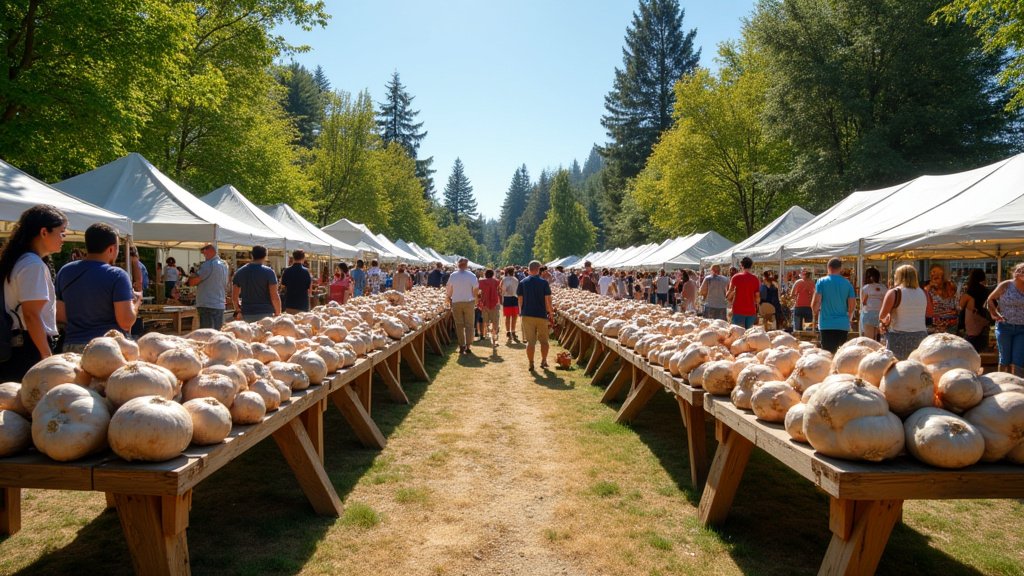
The North Plains Elephant Garlic Festival has officially returned, marking a signature summer weekend for the Willamette Valley. Running from August 7 through August 9, the three-day event transforms the community into a vibrant hub of agricultural celebration, culinary curiosity, and regional commerce. For three days, Jessie Mays Community Park serves as the epicenter of a tradition that balances historical appreciation of local farming with the modern vitality of Oregon’s community spirit.
The Science and Stature of Allium Ampeloprasum
While attendees are drawn by the festival’s festive atmosphere, the star of the show remains the elephant garlic itself—botanically classified as Allium ampeloprasum. Despite its name, elephant garlic is not a true garlic but rather a variety of leek. Its massive size, often producing bulbs weighing a pound or more, is a testament to the nutrient-dense soil of the region.
The festival provides a unique educational platform for agriculturalists and home cooks alike. The bulb’s flavor profile—a delicate, milder taste compared to traditional garlic—has made it a staple in Pacific Northwest cooking. Throughout the weekend, educational booths and cooking demonstrations explore the nuances of this crop, highlighting why the region has become synonymous with its production. Understanding the distinction between true garlic and this oversized leek offers visitors a deeper appreciation for the agricultural heritage that makes North Plains a notable destination.
Economic Vitality and Community Engagement
Beyond the culinary appeal, the Elephant Garlic Festival acts as a crucial economic engine for North Plains. Organized by the North Plains Chamber of Commerce, the event serves as a platform for local artisans, small-scale farmers, and regional entrepreneurs. By concentrating local commerce into a single, high-traffic weekend, the festival provides a tangible boost to local vendors who rely on such events for year-round sustainability.
Interviews with past attendees and local organizers often highlight the ‘multiplier effect’ of the festival: visitors who arrive for the garlic frequently patronize surrounding local businesses, restaurants, and cafes, keeping the town’s economy energized during the summer lull. The event structure—featuring live music, children’s activities, and a carefully curated vendor market—is designed specifically to drive this engagement, ensuring that the footprint of the festival extends well beyond the boundaries of the park.
The Transformation of Jessie Mays Community Park
Logistically, the transformation of Jessie Mays Community Park is a feat of local planning. For three days, the park transitions from a public recreation space into a sophisticated festival grounds. This transition requires significant coordination regarding infrastructure, sanitation, traffic management, and vendor placement. The Chamber’s ability to execute this transition annually is a testament to the organizational maturity of the North Plains community.
For visitors, this transition means more than just a setup of tents and booths; it represents a cultural activation of public space. The curated layout guides visitors through a narrative of local history, starting with agricultural displays and moving toward modern craft and entertainment. It is a masterclass in community event management, demonstrating how a small town can successfully host thousands of visitors without sacrificing the intimate, neighborly feel that defines North Plains.
Preserving Local Heritage in a Changing Region
As the Willamette Valley experiences rapid growth and demographic shifts, events like the Elephant Garlic Festival serve as vital anchors for local identity. There is a concerted effort by the organizers to maintain the event’s ‘signature’ feel—avoiding the commercial homogenization often found in larger regional festivals.
The preservation of this event is, in essence, an act of cultural heritage. By celebrating a specific agricultural product and gathering the community annually, North Plains resists the trend of generic tourism. Instead, it invites visitors to participate in a living tradition. Whether it is the live entertainment, the arts and crafts vendors, or the sheer novelty of the elephant garlic itself, the festival offers a grounded experience that resonates with those looking for authentic, community-driven engagement. As the festival continues through August 9, it serves as a reminder that the heart of Oregon’s agricultural identity remains strong, resilient, and distinctively flavored.