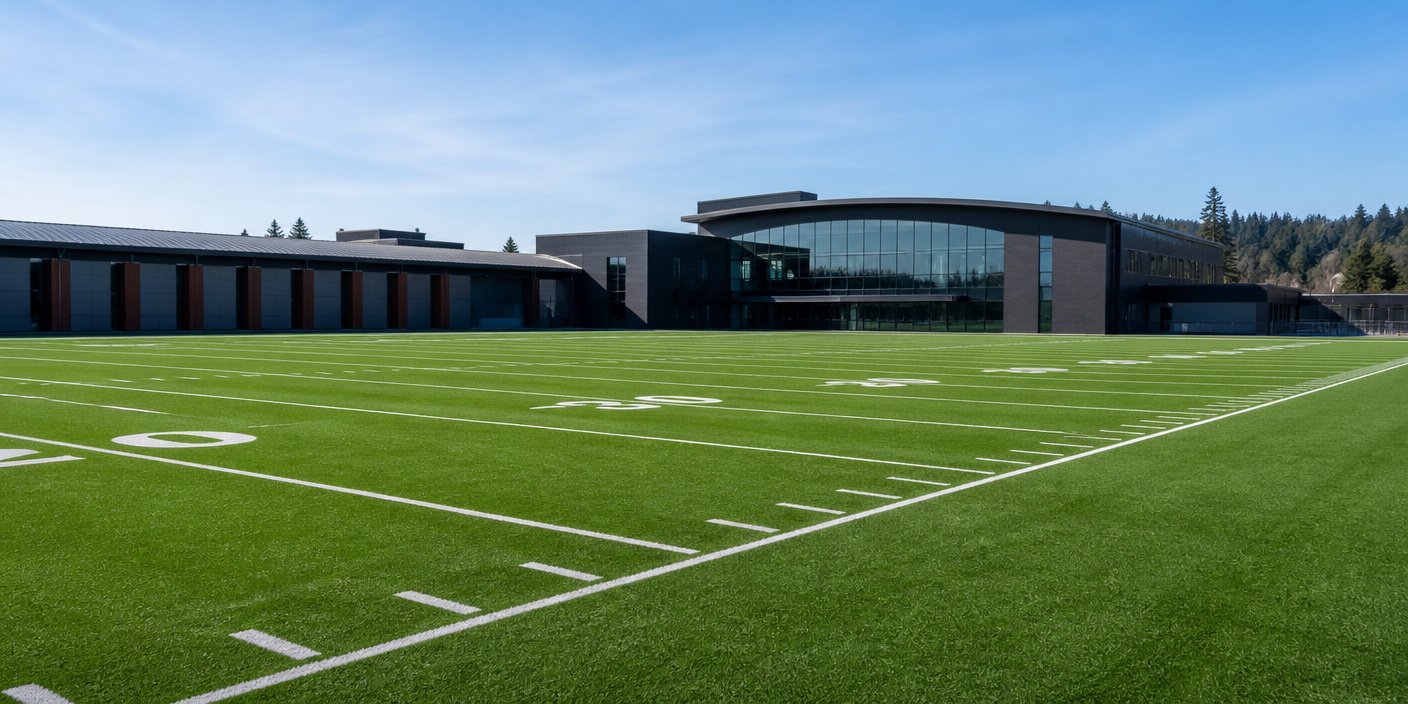
The Oregon Ducks have officially inaugurated their newly constructed outdoor practice fields at the Hatfield Dowlin Complex, signaling a high-stakes evolution in the program’s infrastructure. As the team adapts to the physical demands of Big Ten conference play, these upgraded facilities represent more than just additional square footage; they are a calculated investment in player health, recovery, and tactical preparation. This milestone in the ongoing construction project underscores the university’s commitment to maintaining its reputation as a premier destination for top-tier collegiate talent, blending cutting-edge technology with the relentless pace of modern college football. By expanding their training capacity, the Ducks are reinforcing their ability to execute high-intensity sessions while optimizing the developmental trajectory of their roster.
Key Highlights
- Facility Expansion: The new outdoor practice fields are a cornerstone of the broader Hatfield Dowlin Complex renovation, designed to increase training throughput and allow for concurrent practice sessions.
- Strategic Big Ten Integration: The expansion is specifically timed to align with Oregon’s move to the Big Ten, ensuring facilities match the increased scale and physical requirements of the new conference.
- Optimized Performance: The fields utilize state-of-the-art synthetic turf technology, engineered to replicate game-day speed and provide consistent footing in Eugene’s unpredictable weather patterns.
- Recruiting & Retention: The continued investment in the Hatfield Dowlin Complex reinforces the University of Oregon’s brand as a tech-forward program, a critical lever in winning recruiting battles for elite prospects.
The Strategic Evolution of Oregon’s Athletic Infrastructure
The Hatfield Dowlin Complex (HDC) has long been considered the ‘Death Star’ of college football facilities, a nickname earned for its sleek, high-tech aesthetic and the immense financial backing of Nike co-founder Phil Knight. However, in the rapidly accelerating world of college sports, even the most innovative facilities require constant iteration. The decision to expand the outdoor practice fields is not merely cosmetic; it is a tactical response to the logistical challenges of modern football.
The Big Ten Shift and Facilities Race
Transitioning to the Big Ten Conference has shifted the operational baseline for the Oregon Ducks. The physicality of the conference necessitates training environments that can withstand year-round use and provide specific simulation capabilities. By expanding the footprint of their practice fields, the Ducks are effectively increasing their ‘on-field bandwidth.’ Head coach Dan Lanning has frequently emphasized that practice habits dictate game-day results. With additional space, the coaching staff can now run more complex, multi-unit drills simultaneously, reducing downtime and keeping the tempo high—an essential component of the Oregon offensive philosophy.
Technological Precision on the Turf
Beyond sheer acreage, the new fields incorporate advanced drainage and surface technology tailored for the Pacific Northwest. Maintaining optimal surface conditions in Eugene’s climate has historically been a significant operational hurdle. The new installation features upgraded synthetic turf systems that offer superior impact absorption, designed to reduce non-contact injuries—a critical factor in roster management. The surface is engineered to provide a faster, truer roll for the ball and more reliable traction for skill-position players, bridging the gap between practice conditions and the high-speed demands of Saturday games.
Recruiting as a Competitive Advantage
In the era of Name, Image, and Likeness (NIL) and the transfer portal, facilities remain a tangible marker of a program’s health and ambition. Prospective athletes evaluate schools based on their ability to develop them for the professional level, and access to world-class infrastructure is a non-negotiable requirement. The expansion of the Hatfield Dowlin Complex serves as a visual signal to recruits that Oregon is not complacent. By continually upgrading their training environment, the University of Oregon ensures that its student-athletes have access to tools that rival or exceed those found in the NFL. This commitment to the ‘user experience’ of the player—from the locker room to the training table, and now to the expanded fields—remains a pillar of the Ducks’ recruiting strategy.
The Lanning Philosophy and Organizational Growth
Under the leadership of Dan Lanning, the Oregon football program has adopted a ‘championship or bust’ mentality that permeates all aspects of the organization. The renovation of the practice facilities reflects this culture. It is an acknowledgment that greatness is built in the details—in the ability to rep a play one extra time, to simulate specific weather conditions, or to manage the recovery of athletes through more efficient scheduling. The expanded field capacity allows the staff to implement a more robust training schedule, ensuring that the team is not just physically prepared for the Big Ten, but mentally sharpened by the rigor of their daily environment. As the program continues to evolve, the Hatfield Dowlin Complex will likely remain a dynamic, ever-changing entity, reflecting the Ducks’ intent to remain at the absolute vanguard of the college football landscape.
FAQ: People Also Ask
Why was the Hatfield Dowlin Complex expansion necessary for the move to the Big Ten?
The transition to the Big Ten increases the number of opponents, travel requirements, and the general level of physicality. Expanded facilities allow for more efficient training schedules, improved injury prevention, and the ability to replicate a wider variety of in-game scenarios necessary for this higher level of competition.
Does the new practice field use natural grass or turf?
The facility utilizes a cutting-edge synthetic turf system. This choice is deliberate, as it offers maximum durability, consistent performance in the notoriously wet Eugene climate, and provides a surface profile that allows for faster play compared to natural grass.
How does this facility expansion impact player recruiting?
In elite college football, facilities serve as a major recruitment tool. A state-of-the-art training environment demonstrates the university’s long-term financial commitment to the football program, which serves as a massive ‘green flag’ for high-value recruits looking for a professional-grade development environment.