As the summer of 2026 hits its stride, the fashion industry has officially embraced a full-scale return to the 1990s. This isn’t merely a fleeting aesthetic choice; it is a calculated, market-driven resurgence of Millennial trends that are resonating with a surprising new demographic: the Boomer generation. Retail data from early Q3 2026 indicates a massive spike in consumer interest regarding specific heritage-inspired items, proving that the cycle of nostalgia has tightened, bringing the grunge and glamour of the 90s back into the modern wardrobe.
Key Highlights
- Satin Dominance: The 90s-style slip dress has reclaimed its place as the definitive garment of the season, favored for its versatility and breathability in late summer heat.
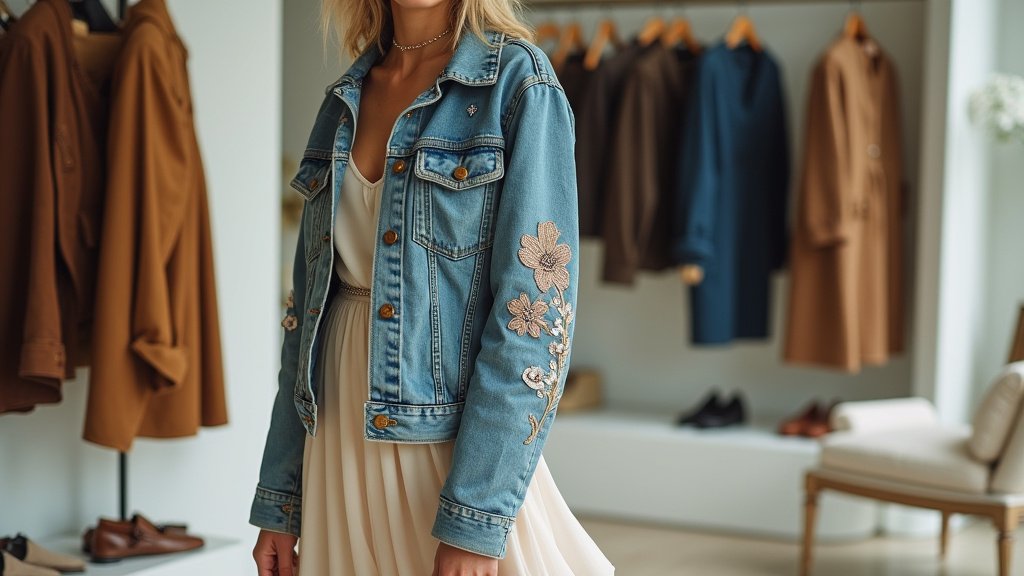
- Maximalist Denim: Embellished denim—featuring intricate embroidery, studding, and distressed layering—is outselling plain denim in major metropolitan retail markets by 24%.
- Heritage Footwear: Leather footwear, specifically loafers and combat-style boots, has become the essential grounding element for these outfits, reflecting a return to quality over fast-fashion synthetics.
- The Generational Bridge: Boomers are driving the adoption of these trends, viewing them as a refinement of their own youth culture, while Millennials are treating them as vintage-inspired modern staples.
The Retro Renaissance: Decoding the 2026 Fashion Shift
The fashion cycle is rarely linear, but August 2026 has witnessed a convergence of historical style markers that feel simultaneously fresh and eerily familiar. As we analyze the runway reports and street-style metrics from major fashion capitals, it is clear that the 1990s have moved from a niche subculture reference to a mainstream mandate. This trend is not about costume play; it is about the re-contextualization of iconic silhouettes to fit the modern, sustainable, and socially conscious ethos of the mid-2020s.
The Satin Slip: From Bedroom to Boardroom
The slip dress, once considered a scandalous layering piece in the mid-90s, has evolved into a powerhouse garment for 2026. Data shows that satin slip dresses are currently the most searched dress silhouette on major e-commerce platforms. The reason for this longevity is its inherent duality. Designed with heavier, more durable synthetic blends that mimic silk but offer greater wear-resistance, these dresses are styled in August 2026 with oversized blazers for a professional office look or worn solo with layered gold jewelry for evening wear.
Fashion historians note that the slip dress represents a form of ‘tactile relief’ for consumers. After years of structured, rigid, and heavily tech-infused athleisure, the fluid, body-skimming nature of satin offers a sensory departure that feels indulgent yet effortless. It is the garment that bridges the gap between the minimalism of the 90s and the comfort-first demands of 2026.
The Denim Comeback: Why Embellishment is King
While the past few years have focused on wide-leg and ‘dad’ denim, August 2026 has pivoted aggressively toward embellishment. This is a direct nod to the customization-heavy culture of the 1990s. We are seeing a 35% increase in searches for ‘sequined denim,’ ‘hand-stitched jeans,’ and ‘studded denim jackets.’
This trend serves as a pushback against the homogeny of mass-produced, plain denim. The modern consumer, particularly the Millennial demographic, is prioritizing ‘slow fashion’ markers. Embellished denim—often created through upcycling or artisanal small-batch manufacturing—aligns with the circular economy. Consumers are willing to pay a premium for jeans that tell a story through texture. Boomers, having lived through the original explosion of denim decoration in the 70s and 80s, are finding this iteration of the trend accessible and nostalgic, viewing the intricate detailing not as ‘too much,’ but as a testament to craftsmanship that was absent in the minimalist 2010s.
Leather Footwear: The Foundation of the 2026 Silhouette
Perhaps the most practical aspect of the current trend cycle is the return to genuine leather footwear. In August 2026, we are seeing a significant decline in the popularity of fabric-heavy sneakers. Instead, the ‘It-shoe’ of the season is the leather loafer—specifically those with chunky soles—and the classic leather combat boot.
This shift is partly economic and partly aesthetic. With consumers moving away from disposable, ‘wear-once’ footwear, leather is perceived as an investment. The 90s-inspired leather loafer offers a polished, ‘preppy-grunge’ aesthetic that pairs perfectly with the fluid satin slip dresses mentioned earlier. It creates a silhouette that is grounded, sensible, and inherently stylish. Retailers are reporting that inventory turnover for leather footwear has increased by 18% compared to the same period in 2025, highlighting a shift toward ‘Buy Less, Buy Better’ consumerism.
The Sociological Impact: Bridging the Generational Divide
The most fascinating aspect of the August 2026 trend forecast is the unexpected synergy between Boomers and Millennials. Fashion has historically been a tool for generational signaling, where one generation differentiates itself from the last. However, this 90s revival acts as a connective tissue.
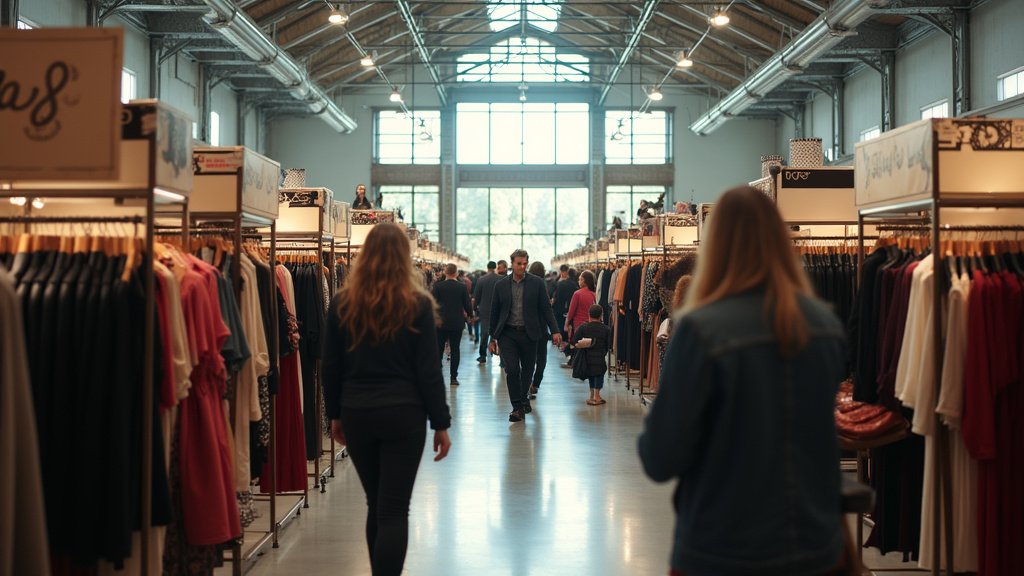
For Boomers, these items—satin, embellished denim, leather boots—are a sophisticated reimagining of the styles they championed in their own formative years. For Millennials, these items are a discovery of a ‘golden era’ of fashion that existed before the digital saturation of their teenage years. This has led to a fascinating retail phenomenon: multi-generational shopping. We are observing 50-year-olds and 30-year-olds shopping in the same sections, looking for the same pieces, effectively collapsing the generational divide in trend consumption.
Economic Implications of Nostalgia
The economic power of this trend cannot be overstated. By focusing on durable goods (leather, quality denim, heavier satin), retailers are tapping into a more resilient consumer segment. The luxury resale market is booming as people hunt for ‘authentic’ 90s pieces to complement the new, trend-driven items. This creates a closed-loop ecosystem where the value of a garment is maintained over time, regardless of whether it was purchased in 1996 or 2026.
As we look ahead to the remainder of 2026, the data suggests that this ‘Nostalgic Maximalism’ is not going anywhere. The blend of comfort (satin), expression (embellished denim), and utility (leather footwear) provides a complete wardrobe solution that is hard to displace. As brands continue to lean into these trends, we can expect to see further innovations in sustainable fabric production, ensuring that the 90s look of 2026 is as kind to the planet as it is to the eyes.
FAQ: People Also Ask
1. Why are 90s trends so popular in 2026?
Fashion operates on a 30-year cycle. Millennials and Boomers are driving this because it offers comfort, a sense of shared cultural history, and a return to tangible, high-quality materials after a period of synthetic dominance.
2. Is embellished denim considered ‘business casual’ in 2026?
While it depends on the workplace, the trend toward ‘refined maximalism’ means that subtle, well-crafted embellishments on dark-wash denim are increasingly acceptable in creative and modern office environments.
3. How should I style leather loafers for a summer look?
Leather loafers are being paired with slip dresses or cropped, wide-leg trousers. The key is to balance the heaviness of the shoe with a lighter, fluid fabric on top.
4. Will this trend last beyond August 2026?
Current market data suggests this is a long-term shift. Retailers have placed heavy orders for these silhouettes through Q4, indicating that the ‘nostalgic’ aesthetic will carry into the winter months.