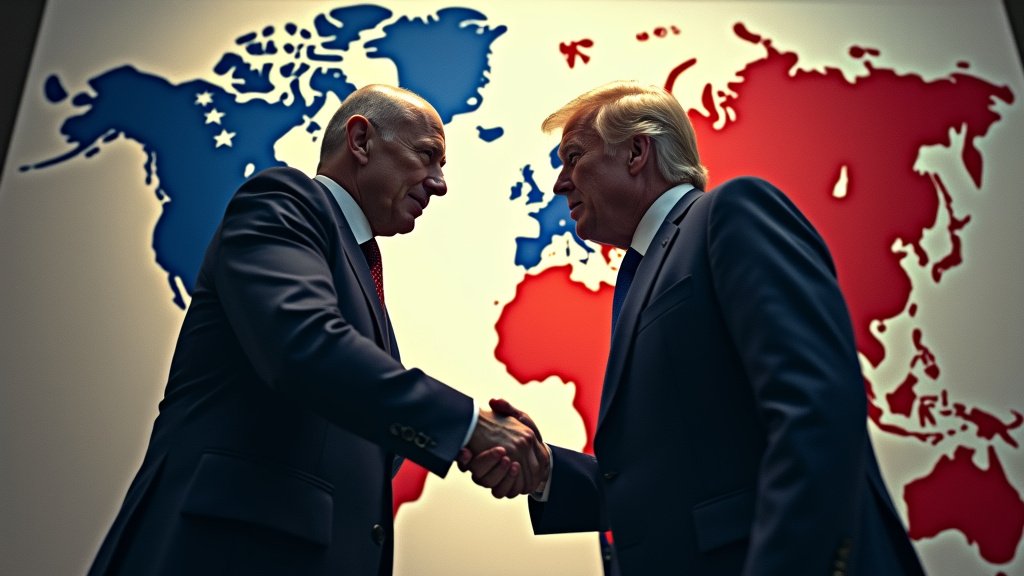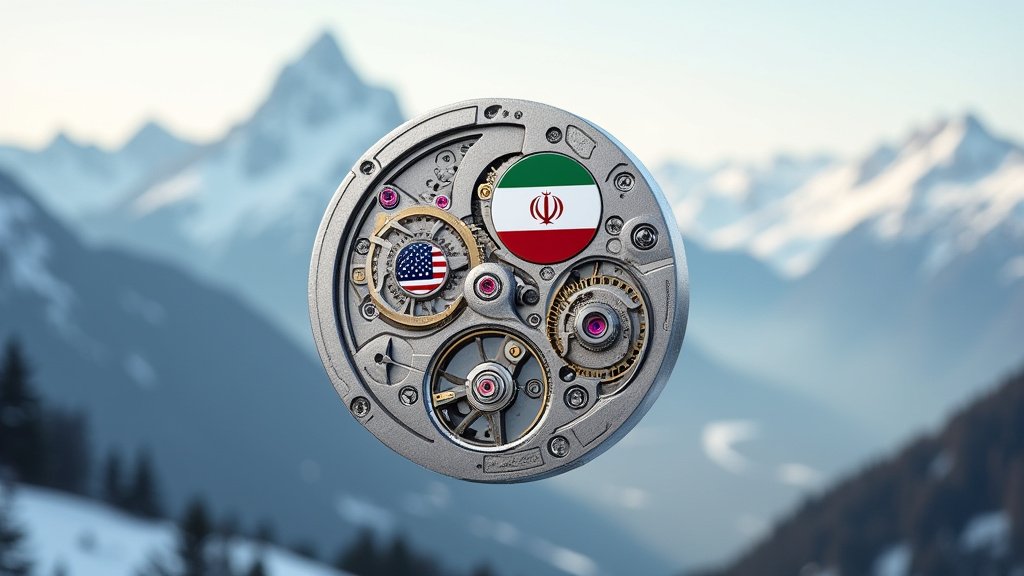
High-stakes diplomacy between the United States and Iran has commenced in Switzerland, with officials from both nations gathering for crucial talks aimed at navigating complex geopolitical issues.
Key Highlights:
- Direct negotiations between US and Iranian representatives are underway.
- The talks are taking place in Switzerland, a traditional neutral ground for diplomatic discussions.
- The agenda is expected to cover a range of critical bilateral and international concerns.
- Observers anticipate these discussions to be challenging given the current geopolitical climate.
Navigating Tensions: A Swiss Diplomatic Gambit
Switzerland has once again become the stage for sensitive international dialogue as representatives from the United States and Iran engage in direct talks. The commencement of these negotiations marks a significant moment, signaling a potential, albeit challenging, path toward de-escalation and addressing long-standing points of contention between the two nations. The choice of Switzerland as the venue underscores the delicate nature of these discussions, leveraging the country’s established reputation for neutrality and its capacity to host discreet yet consequential diplomatic engagements.
The Road to Geneva: Pre-Talks Dynamics
Preparations for these talks have been marked by a complex web of regional and international dynamics. Both Washington and Tehran have signaled their readiness to engage, though underlying tensions and historical grievances remain significant factors. The international community is closely monitoring these proceedings, with many hoping for tangible progress on issues ranging from nuclear non-proliferation to regional security. The specific agenda items remain closely guarded, but are widely believed to encompass the Joint Comprehensive Plan of Action (JCPOA) – the Iran nuclear deal – and other pressing security concerns in the Middle East.
Switzerland’s Role in Global Diplomacy
This is not the first time Switzerland has served as a mediator or host for critical US-Iran discussions. The nation’s consistent role in facilitating dialogue between countries with strained relations highlights its unique position in global diplomacy. Swiss officials have often emphasized their commitment to constructive engagement and providing a secure environment for sensitive negotiations. Their involvement in facilitating these talks underscores a broader effort to maintain channels of communication open, even amidst periods of heightened international tension.
Expert Analysis: Prospects and Pitfalls
Analysts suggest that while the resumption of direct talks is a positive step, the path forward is fraught with challenges. The divergent interests and deeply entrenched positions of both the US and Iran necessitate pragmatic and patient diplomacy. Success will likely hinge on the ability of negotiators to find common ground on specific, achievable objectives rather than attempting to resolve all outstanding issues in a single round of talks. The economic sanctions imposed on Iran and its implications for the Iranian populace also remain a significant backdrop to these discussions, influencing the negotiating leverage and domestic considerations for both sides.
FAQ: People Also Ask
What are the primary objectives of the US-Iran talks?
The primary objectives are generally understood to involve discussions on Iran’s nuclear program, regional security, and the potential for sanctions relief. However, specific goals can vary depending on the negotiating context and the administrations involved.
Why are the talks being held in Switzerland?
Switzerland offers a neutral venue with a long history of hosting sensitive international diplomatic negotiations, providing a secure and discreet environment conducive to dialogue between nations with strained relations.
What is the significance of the JCPOA in these discussions?
The Joint Comprehensive Plan of Action (JCPOA), or Iran nuclear deal, is a central point of discussion. Its future, potential revisions, and the conditions for its revival are critical elements for both the US and Iran.
What are the potential outcomes of these talks?
Potential outcomes range from a renewed agreement on nuclear matters to limited de-escalation in regional tensions. However, a comprehensive resolution is unlikely in the short term, with progress expected to be incremental.
How do regional dynamics impact these negotiations?
Regional security concerns, including the influence of Iran in countries like Yemen, Syria, and Iraq, as well as the broader geopolitical landscape involving countries like Saudi Arabia and Israel, significantly influence the negotiating positions and the perceived stakes for all parties involved.