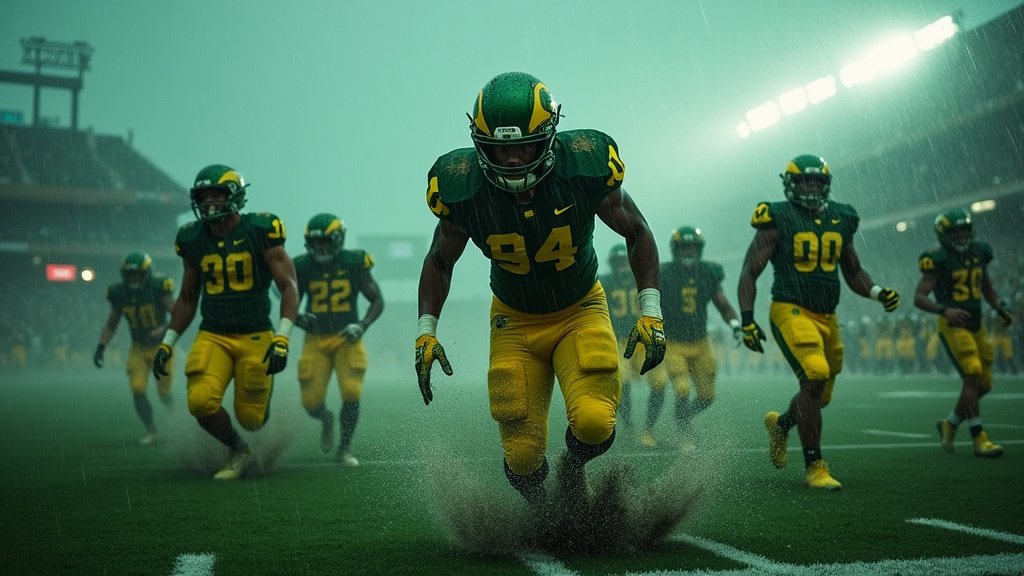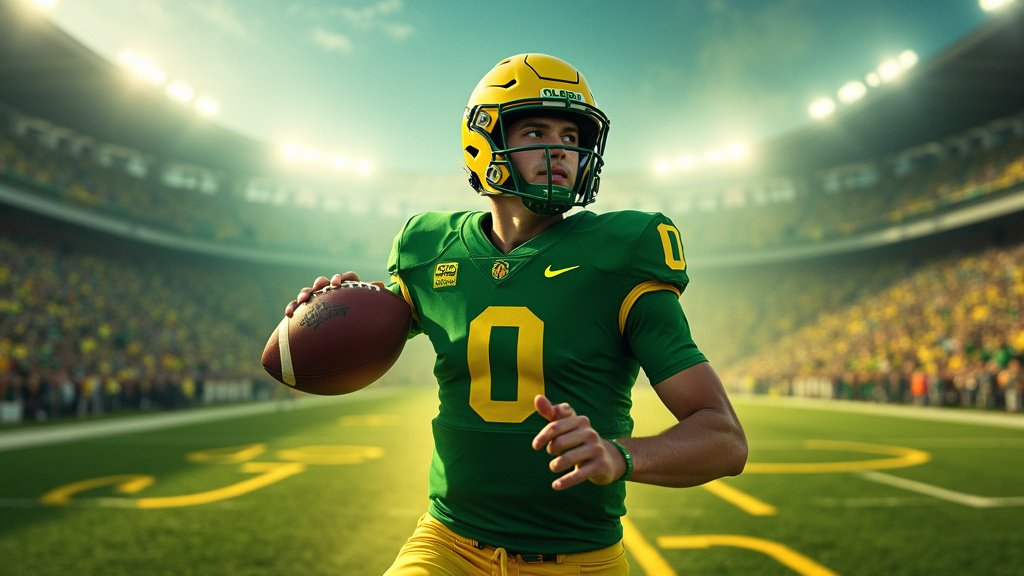
Oregon’s 2026 recruiting class is already making waves, showcasing the program’s potential for future dominance as they prepare to enter the Big 10. Head Coach Dan Lanning and his staff are assembling a roster that promises to be competitive at the highest level, with a particular emphasis on elite talent poised to make an immediate impact.
Key Highlights:
- Oregon’s 2026 class is shaping up to be one of the best in the nation.
- The program is strategically building depth and talent for Big 10 competition.
- Several top-tier recruits are already committed, signaling strong recruiting momentum.
- Dan Lanning’s vision is evident in the caliber of players being targeted and secured.
The Future of Duck Football: Assembling the Big 10 Juggernaut
Dan Lanning’s tenure at Oregon has been marked by aggressive recruiting, and the 2026 class is a prime example of his long-term vision. As the Ducks prepare to transition to the Big 10 Conference, the focus is on building a roster that can not only compete but thrive against perennial powerhouses. Early commitments and a strong pursuit of top-ranked prospects suggest that Lanning is succeeding in this endeavor. The program’s ability to attract and develop elite talent, particularly on both sides of the trenches and at skill positions, will be crucial for their Big Ten success.
Early Commitments and Their Impact
The foundation of the 2026 class is being laid with a series of high-profile commitments. These early pledges not only secure talent but also create a ripple effect, encouraging other top prospects to consider Oregon. Players committing to the Ducks are doing so with the understanding that they are joining a program on the rise, with the conference transition offering a significant stage to prove their capabilities. The coaching staff’s ability to connect with these young athletes, highlighting the program’s resources, academic opportunities, and the exciting prospect of Big 10 play, has been instrumental.
Strategic Recruiting for Big 10 Play
Oregon’s coaching staff is not just recruiting talent; they are recruiting for the specific demands of the Big 10. This means prioritizing physicality, depth, and players who possess the mental fortitude to handle intense competition week in and week out. The emphasis on offensive and defensive line prospects, as well as athletic defensive backs and versatile running backs, reflects an understanding of the conference’s style of play. Lanning’s approach emphasizes player development, ensuring that even highly-touted recruits are molded into polished, Big 10-ready athletes.
The Lanning Effect: Culture and Development
Beyond the star ratings, Dan Lanning has cultivated a culture at Oregon that emphasizes hard work, discipline, and player growth. This environment is attractive to recruits who are looking for more than just a place to play; they seek a program that will challenge them and help them reach their full potential. The success of previous recruiting classes under Lanning, and the subsequent development of players who have gone on to NFL careers, serves as a powerful testament to the program’s commitment to player well-being and on-field success. This culture is a significant factor in why top 2026 prospects are choosing Oregon.
Analyzing the Big 10 Transition
The move to the Big 10 represents a significant step for Oregon football. The conference is renowned for its physical brand of football and its deep pool of competitive programs. For the 2026 class, this transition offers an unparalleled opportunity to compete against some of the nation’s best. The Ducks’ recruiting efforts are clearly geared towards equipping the team with the necessary talent to make an immediate splash in this new landscape. The focus on recruiting players who can contribute early is a strategic imperative, as building a championship contender in a new, more challenging conference requires depth and immediate impact players.
FAQ: People Also Ask
What is the significance of Oregon joining the Big 10 Conference?
Oregon’s move to the Big 10 signifies a major shift in college athletics, placing the Ducks in one of the most competitive and historically rich football conferences in the nation. It offers increased national exposure, tougher competition, and new rivalries, presenting a significant challenge and opportunity for the program’s sustained success.
How does Dan Lanning’s recruiting strategy differ from previous Oregon coaches?
Dan Lanning’s strategy emphasizes a national recruiting footprint and a strong focus on physicality and player development, aligning with the demands of power conferences like the Big 10. While previous coaches also recruited at a high level, Lanning’s approach is particularly geared towards building a roster capable of immediate, consistent success in a top-tier league.
What are the key positions Oregon is prioritizing for the 2026 class?
Oregon is heavily prioritizing strength in the trenches (offensive and defensive lines) and key skill positions like running back and defensive back. This focus aligns with the physical demands and strategic needs for competing effectively in the Big 10.
How will the 2026 recruiting class impact Oregon’s immediate Big 10 performance?
The 2026 class is expected to provide a blend of immediate impact players and developmental talent. The hope is that this recruiting class will form the core of a team ready to compete for championships in the Big 10 shortly after the program’s transition.
What does ‘E-E-A-T’ mean in the context of journalism?
E-E-A-T stands for Experience, Expertise, Authoritativeness, and Trustworthiness. It’s a set of guidelines used by search engines, particularly Google, to evaluate the quality and reliability of content, emphasizing that content should be created by credible sources with demonstrable experience and knowledge.