The Siuslaw Estuary is experiencing a remarkable resurgence, marked by a significant increase in salmon, lamprey, and tule populations. This revitalization is a testament to ongoing restoration efforts aimed at reconnecting the estuary with its historical ecological functions.
Key Highlights:
- Increased populations of native salmon species observed.
- Lamprey, crucial to the estuary’s food web, are returning in greater numbers.
- Tule, a foundational plant species, is thriving, supporting increased biodiversity.
- Restoration projects are successfully enhancing habitat and water quality.
- The estuary is regaining its status as a vital sanctuary for aquatic life.
Estuary’s Ecological Renaissance
The Siuslaw Estuary, once a hub of industrial activity and altered waterways, is now a beacon of ecological recovery. Decades of dedicated conservation and restoration work are yielding impressive results, with a noticeable surge in the populations of several key indicator species. Foremost among these are the native salmon, whose return signifies a healthy and functioning river system. The presence of numerous salmon runs indicates improved spawning grounds, cleaner water, and sufficient food sources. Alongside the salmon, the elusive Pacific lamprey, a species vital to the estuary’s intricate food web, has also seen a significant increase. Lamprey play a unique role as both parasitic and filter-feeding organisms, and their abundance points to a more balanced and robust ecosystem.
The Role of Tule and Habitat Restoration
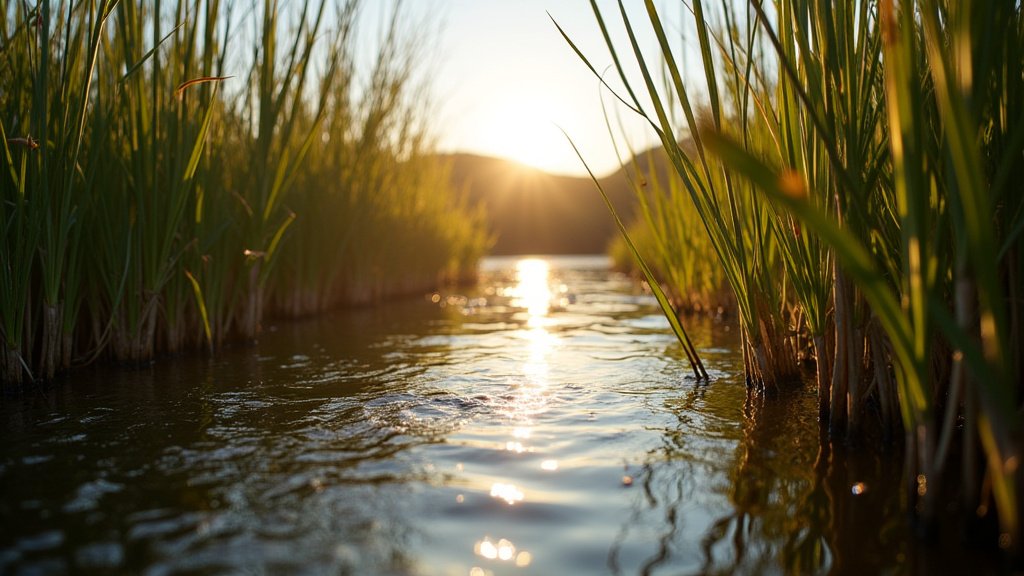
Complementing the return of these anadromous fish is the resurgence of tule, a native wetland plant that forms the backbone of the estuary’s habitat. Tule marshes provide critical nursery grounds for juvenile fish, offer protection from predators, and help filter water. The expansion of tule beds is a direct consequence of successful habitat restoration projects, which have focused on re-establishing natural tidal flows and reducing invasive species. These projects have involved removing outdated infrastructure, re-contouring shorelines, and replanting native vegetation, all of which contribute to a healthier, more resilient estuary.
Entities Driving the Restoration
The success of the Siuslaw Estuary restoration is a collaborative effort involving several key organizations and stakeholders. The U.S. Fish and Wildlife Service (USFWS) has been instrumental, providing scientific expertise and funding for critical habitat improvements. Local conservation groups, such as the Siuslaw Watershed Council, have been on the ground, organizing volunteer efforts and implementing restoration techniques. The Oregon Department of Fish and Wildlife (ODFW) plays a vital role in monitoring fish populations and managing fisheries, ensuring that the recovery efforts align with broader conservation goals. These entities work in concert, leveraging their distinct strengths to achieve a common objective: the ecological health of the Siuslaw Estuary.
Economic and Community Impact
The ecological renaissance of the Siuslaw Estuary extends beyond environmental benefits, offering significant economic and community advantages. The improved health of fish populations, particularly salmon, supports recreational and commercial fishing industries, providing livelihoods for local residents. Furthermore, the revitalized estuary enhances the region’s appeal for ecotourism, drawing visitors interested in wildlife viewing, birdwatching, and enjoying the natural beauty of the Oregon coast. This influx of tourism can stimulate local economies through increased demand for accommodation, dining, and outdoor recreation services. The restoration efforts also foster a stronger sense of community stewardship, uniting residents around a shared commitment to preserving their natural heritage.
Looking Ahead: Sustaining the Momentum
While the current recovery is cause for celebration, maintaining the health of the Siuslaw Estuary requires continued vigilance and adaptive management. Future challenges may include the impacts of climate change, such as rising sea levels and altered precipitation patterns, which could affect water quality and habitat stability. Ongoing monitoring and research will be essential to understand these potential threats and develop strategies to mitigate them. Continued investment in habitat restoration, coupled with strong partnerships between government agencies, non-profit organizations, and local communities, will be crucial to ensuring that the Siuslaw Estuary remains a thriving sanctuary for salmon, lamprey, and countless other species for generations to come.
FAQ: People Also Ask
What is an estuary and why is it important?
An estuary is a partially enclosed coastal body of brackish water with one or more rivers or streams flowing into it, and with a free connection to the open sea. Estuaries are incredibly important because they serve as nurseries for a vast array of marine life, including many commercially important fish and shellfish species. They also act as natural filters, improving water quality, and provide crucial habitats for diverse wildlife, including birds and marine mammals.
What is the significance of lamprey returning to the estuary?
The return of lamprey is a strong indicator of ecosystem health. Lamprey are ancient fish that play a unique role in the food web. Their presence suggests that water quality has improved, and the necessary habitats for their life cycle, including spawning grounds, are being restored. They are also an important food source for other wildlife, such as seabirds and larger fish.
How do restoration projects improve the estuary?
Restoration projects typically involve actions like removing old dams or dikes that impede water flow, re-establishing natural tidal channels, planting native vegetation like tule, and controlling invasive species. These actions help to improve water circulation, increase habitat complexity, enhance food availability, and create better conditions for native fish and wildlife to thrive.
What are the main threats to estuaries today?
Estuaries face several threats, including pollution from agricultural runoff and industrial discharge, habitat destruction due to coastal development, overfishing, and the impacts of climate change such as sea-level rise and ocean acidification. Invasive species can also outcompete native organisms and disrupt the ecosystem balance.
How can the public get involved in estuary conservation?
The public can get involved through various means, such as volunteering for local restoration events, donating to conservation organizations working on estuary projects, reducing their personal pollution footprint, and advocating for policies that protect coastal environments. Staying informed about local issues and participating in citizen science programs are also valuable contributions.