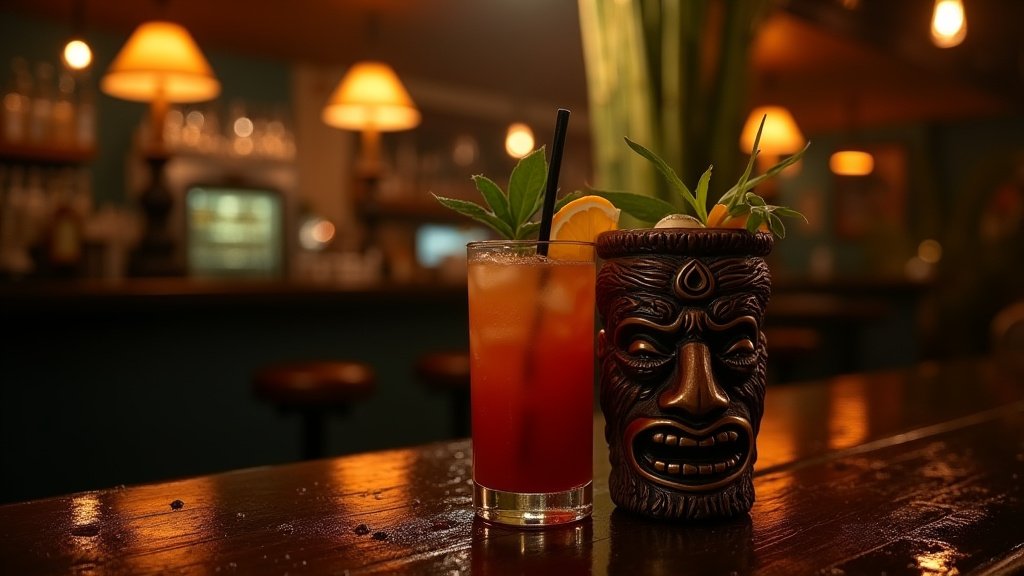
The legendary Tonga Room and Hurricane Bar, a beloved Portland institution known for its Polynesian-themed cocktails and unique atmosphere, is facing an uncertain future as its lease is reportedly ending.
Key Highlights:
- The Tonga Room and Hurricane Bar, a historic Portland tiki bar, may close.
- The iconic venue’s lease is set to expire.
- The bar is famous for its themed cocktails and unique, immersive environment.
- A potential closure has sparked concern among long-time patrons and the local community.
A Fixture on the Portland Scene
Portland has long been a city that embraces the quirky and the unique, and few establishments embody this spirit quite like the Tonga Room and Hurricane Bar. For decades, this subterranean oasis has transported patrons to a tropical paradise, complete with a lagoon, a “thunderstorm” with rumbling sounds and flickering lights, and the distinctive sounds of a live band playing from a floating, thatched-roof barge. The experience is as much about the immersive environment as it is about the potent, well-crafted tiki cocktails.
The Allure of Tiki Culture
Tiki culture, which surged in popularity in the mid-20th century, offers an escape from the everyday. The Tonga Room, established in 1944, is one of the longest-standing and most authentic examples of this genre. Its design, replete with bamboo, thatch, and tropical foliage, creates a transportive ambiance. The bar’s signature drinks, such as the Mai Tai and the Scorpion Bowl, are not merely beverages but part of the ritual of the tiki experience. The attention to detail in replicating a South Seas fantasy has cemented its status as a must-visit destination for both locals and tourists seeking a memorable night out.
Lease Expiration and Community Concern
The news that the venue’s lease is approaching its end has sent ripples of concern through Portland’s vibrant nightlife and hospitality scene. For many, the Tonga Room is more than just a bar; it’s a landmark, a repository of memories, and a symbol of the city’s distinctive character. The potential loss of such an establishment raises questions about the evolving urban landscape and the challenges faced by long-standing businesses in maintaining their presence amidst rising costs and changing real estate dynamics. Local patrons and enthusiasts have expressed their dismay on social media, sharing fond memories and urging for a resolution that would allow the Tonga Room to continue its legacy.
Economic and Cultural Impact
Beyond its appeal to cocktail aficionados, the Tonga Room has also contributed to Portland’s cultural and economic fabric. As a popular destination, it draws significant foot traffic, benefiting surrounding businesses and contributing to the city’s tourism appeal. Its unique offering differentiates Portland’s entertainment scene, attracting visitors who might otherwise seek more conventional nightlife options. The potential closure could represent not only a loss of a beloved gathering spot but also a diminishment of the city’s unique brand identity. The discussion surrounding its future highlights the delicate balance between urban development and the preservation of cultural landmarks that define a city’s soul.
FAQ: People Also Ask
What is the Tonga Room known for?
The Tonga Room and Hurricane Bar is renowned for its immersive tiki theme, complete with a lagoon, a simulated thunderstorm, live music from a floating barge, and classic Polynesian-inspired cocktails.
When was the Tonga Room established?
The Tonga Room was originally established in 1944, making it one of the oldest tiki bars in continuous operation.
Is the Tonga Room closing?
Reports indicate that the venue’s lease is set to expire, leading to uncertainty about its future. However, no definitive closure has been announced.
What is the significance of tiki bars?
Tiki bars are culturally significant for their role in mid-20th century American escapism, offering a tropical fantasy through themed decor, exotic cocktails, and a unique atmosphere.
How has Portland’s nightlife scene evolved?
Portland’s nightlife has seen significant evolution, with a growing appreciation for unique, experiential venues alongside a more diverse range of culinary and beverage offerings, while also facing challenges related to rising operational costs and real estate.