Portland, Oregon, has long served as a beacon for travelers seeking a harmonious blend of urban sophistication and untamed natural beauty, making it an essential destination for any couple’s getaway. From its legendary coffee culture and tax-free boutique shopping to the proximity of the Columbia River Gorge, this 5-day Portland itinerary offers a structured yet flexible blueprint to experience the very best of the Pacific Northwest. By focusing on authentic local haunts rather than just tourist traps, visitors can tap into the city’s creative pulse while enjoying the romantic, drizzly atmosphere that defines the region’s charm.
- Culinary Excellence: Navigate the city’s world-class food scene, ranging from artisanal food cart pods to James Beard Award-winning fine dining.
- Neighborhood Exploration: Dedicate time to the unique cultural identities of the Pearl District, Hawthorne, and the Alberta Arts District.
- Nature at the Doorstep: Incorporate iconic outdoor experiences like Multnomah Falls and Mount Tabor, highlighting Oregon’s accessible landscapes.
- Shopping & Leisure: Leverage Portland’s tax-free shopping status while browsing independent bookstores and local vintage markets.
The Pacific Northwest Romance: A Portland Immersion
Portland is more than a destination; it is a philosophy of lifestyle. The city’s economic and cultural resilience is deeply tied to its ‘small business first’ mentality, which has allowed neighborhoods to flourish without sacrificing their soul to mass-market commercialization. Understanding this dynamic is key to enjoying your stay; when you buy a coffee or a vintage jacket, you are participating in a local ecosystem that has resisted homogenization for decades.
Day 1: Pearl District and Waterfront Arts
The Pearl District serves as the architectural heart of Portland’s modern identity. Formerly an industrial wasteland of warehouses and rail yards, this area has been transformed into a dense, walkable neighborhood of cobblestone streets, high-end galleries, and luxury lofts. Start your trip at Powell’s City of Books—the world’s largest independent bookstore—to browse their labyrinthine shelves. The sheer scale of this institution, occupying an entire city block, is a testament to Portland’s intellectual and literary heritage. Follow this with a walk along the Willamette River, where the Tom McCall Waterfront Park provides a serene pathway to view the city’s skyline and the historic bridges that connect the east and west sides.
Day 2: The Columbia River Gorge and Alberta Arts District
Escape the city limits early on your second day. A 30-minute drive east brings you to the Columbia River Gorge, a breathtaking canyon of basalt cliffs and ancient forests. Multnomah Falls is the obvious marquee attraction, but the surrounding trails offer more intimate moments for couples. Return to the city for the afternoon to explore the Alberta Arts District. Unlike the polished Pearl District, Alberta feels gritty, vibrant, and alive with street art. This is the place to seek out ‘Bollywood Theater’ for Indian street food or simply wander the murals to find a quiet pub for a craft ale, which is essentially the lifeblood of the city.
Day 3: Mississippi Ave, Coffee Culture, and Cocktail Hour
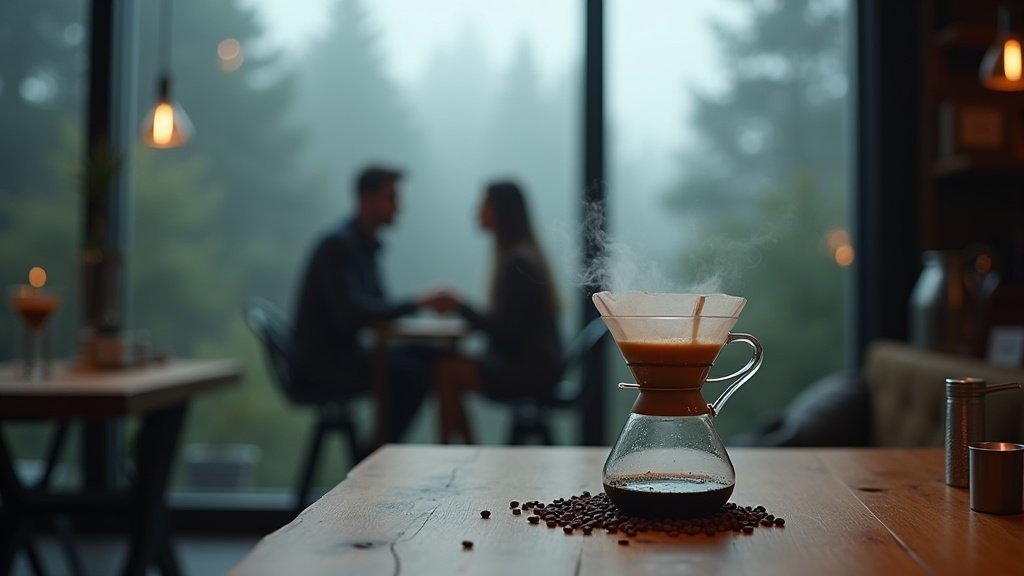
Coffee in Portland is not a beverage; it is a ritual. Spend your morning on Mississippi Avenue, a thoroughfare of Victorian homes converted into boutiques, record shops, and cafes. Stumptown Coffee Roasters set the standard for the third-wave coffee movement, and visiting one of their original locations is a pilgrimage for any java enthusiast. In the afternoon, shift your focus to the Oregon Museum of Science and Industry (OMSI) or the tranquil Lan Su Chinese Garden. As evening approaches, prepare for ‘Happy Hour’—a Portland institution. The cocktail scene here is sophisticated, with bartenders focusing on seasonal, local ingredients like marionberry and hazelnut. The Pearl District’s bars offer high-concept libations in dimly lit, romantic settings that are perfect for decompressing after a day of sightseeing.
Day 4: Hawthorne, Belmont, and the Volcano Hike
The Eastside represents the ‘Keep Portland Weird’ ethos in its purest form. Start your day in the Hawthorne District, where you can grab brunch at Jam on Hawthorne. The vibe here is eclectic and distinctly counter-cultural. After refueling, head to Mount Tabor Park. It is a rare urban luxury to have an extinct volcanic cinder cone within city limits, offering sweeping views of the downtown skyline and the Cascade Range. It provides a perfect low-effort, high-reward hike. Continue your afternoon in the Belmont area, where the shopping is centered on vintage clothing and locally made goods. End your night along the Division Street corridor, one of the city’s most consistent food scenes, and finish with a scoop of inventive, small-batch ice cream from Salt & Straw.
Day 5: Nob Hill and Local Fare
Conclude your getaway in Nob Hill (Northwest 23rd Avenue). This area offers a more refined, upscale experience compared to the raw energy of the Eastside. Start with a coffee at a minimalist roastery—the aesthetic here is all about clean lines and warm wood tones. Spend your final hours browsing boutiques, picking up local ceramics, or purchasing high-end pantry goods. Nob Hill is the perfect place to linger over a long lunch or dinner, reflecting on the trip before heading to the airport. The walkability of this neighborhood allows for spontaneous discoveries, from hidden staircases to secret gardens, embodying the serendipitous nature of a Portland vacation.
Economic Resilience: The Power of Local Pods
Portland’s food cart ‘pod’ culture is a fascinating case study in economic adaptability. During periods of economic uncertainty, these pods have provided lower barriers to entry for chefs, allowing for a vibrant, experimental culinary scene that doesn’t require the massive capital overhead of brick-and-mortar restaurants. For the tourist, this means access to world-class cuisine at a fraction of the cost of other major cities, while directly supporting local entrepreneurs.
The Future of Sustainable Tourism
As the Pacific Northwest faces the challenges of climate change, Portland is positioning itself as a leader in sustainable urbanism. The focus is shifting toward ‘slow travel’—encouraging visitors to stay longer in fewer neighborhoods rather than rushing from site to site. This reduces the carbon footprint of transit and encourages a deeper appreciation for the local community. The rise of eco-conscious hotels that utilize reclaimed materials and prioritize energy efficiency is a direct reflection of this trend, making Portland a blueprint for the future of city-break tourism.
FAQ: People Also Ask
Q: What is the best time of year to visit Portland for a couples getaway?
A: Late spring (May-June) and early fall (September-October) are generally considered the best times. You’ll enjoy milder temperatures and, in autumn, the stunning transformation of the city’s foliage, which creates a very romantic, cozy atmosphere.
Q: Is Portland’s tax-free shopping really a benefit for tourists?
A: Yes, Oregon has no state sales tax. This means the price on the tag is exactly what you pay at the register, which can lead to significant savings on large purchases, boutique items, and gifts.
Q: How do we get around Portland without a rental car?
A: Portland is highly walkable and has one of the best public transit systems in the U.S. (TriMet). You can utilize the MAX light rail, streetcars, and buses to reach almost every neighborhood. Ride-shares are also readily available.
Q: Are reservations required for dining in Portland?
A: For high-end restaurants in the Pearl District or trendy spots on Division Street, reservations are highly recommended, often weeks in advance. However, the city’s food cart pods and casual cafes typically operate on a walk-in basis.