The World Health Organization (WHO) is sounding the alarm over the resurgence of the Ebola virus in the Democratic Republic of Congo, urging an immediate ceasefire to facilitate a more effective response to the outbreak. The dual threat of a deadly epidemic and ongoing conflict poses a significant challenge to public health efforts in the region.
Key Highlights:
- The WHO has expressed grave concern over the escalating Ebola outbreak in the Democratic Republic of Congo.
- A call for an immediate ceasefire has been issued by the WHO to enable unimpeded access for health workers.
- The ongoing conflict complicates containment efforts, hindering the delivery of essential medical supplies and personnel.
- International cooperation and de-escalation of hostilities are deemed critical for controlling the epidemic.
The Perilous Intersection of Health and Conflict in Eastern Congo
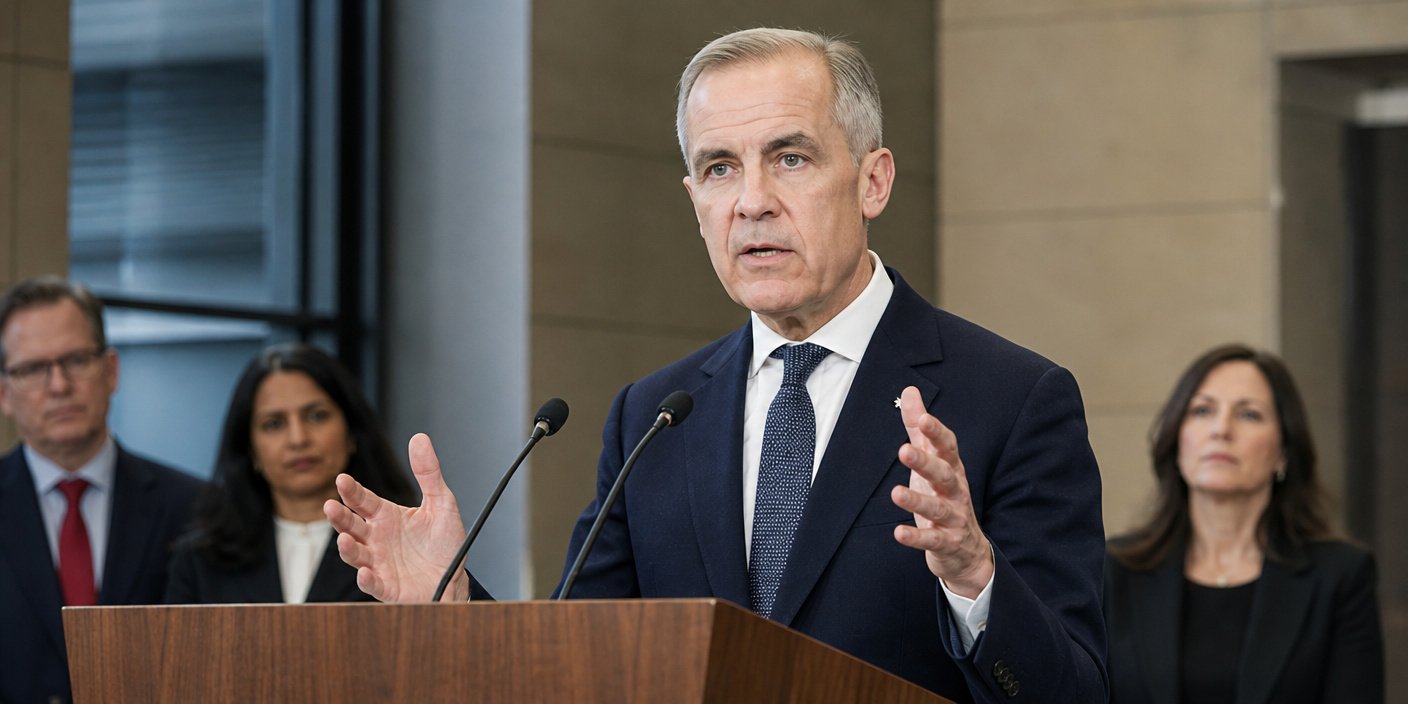
The Democratic Republic of Congo (DRC) is once again grappling with a devastating Ebola outbreak, a crisis made immeasurably more complex by the persistent and often violent conflict plaguing its eastern regions. Dr. Tedros Adhanom Ghebreyesus, the Director-General of the World Health Organization (WHO), has made a direct appeal for a cessation of hostilities. This plea underscores the grave reality that armed conflict directly impedes the life-saving work of health professionals attempting to contain and treat the deadly hemorrhagic fever.
Challenges to Containment
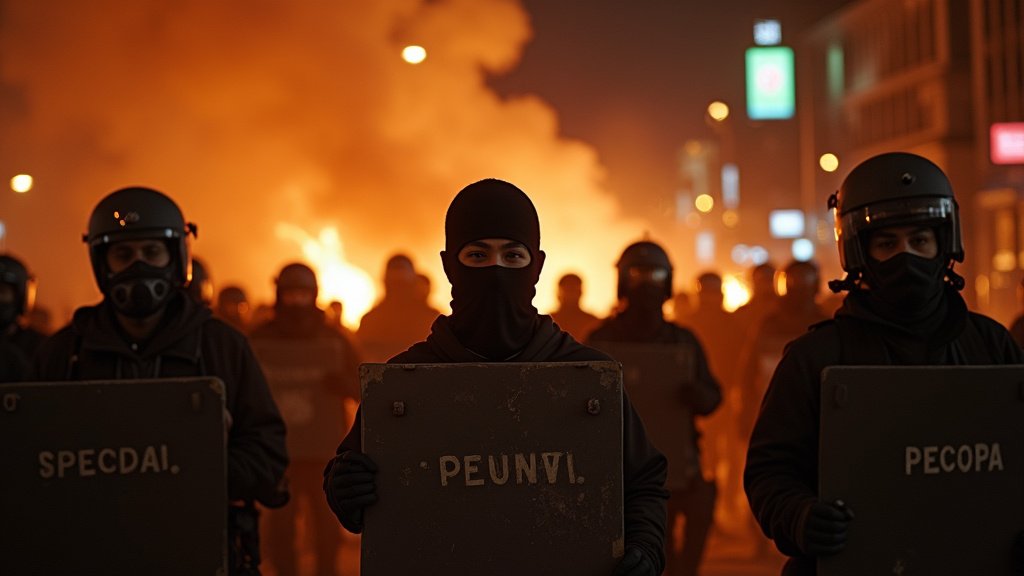
Ebola is a formidable foe, requiring rapid response, contact tracing, and community engagement. However, the volatile security situation in many parts of eastern DRC means that health teams often face significant obstacles. Roads may be impassable due to fighting, villages can be inaccessible or dangerous to enter, and communities, displaced by violence, may not be reachable for vital awareness campaigns or treatment.
The WHO’s Role and Appeal
The WHO, as the leading international body for public health, is on the ground coordinating much of the response. Its efforts involve deploying experts, providing crucial medical supplies, and supporting local health authorities. Dr. Tedros’s call for a ceasefire is not merely a diplomatic statement; it is a pragmatic recognition that without safe and unimpeded access, the fight against Ebola is severely compromised. The organization emphasizes that de-escalation of violence is a prerequisite for effective public health interventions.
Broader Implications and Historical Context
This situation is not entirely new for the DRC, a country that has faced numerous Ebola outbreaks over the past two decades, often in regions marked by instability and poverty. Past outbreaks have demonstrated the critical link between security and public health. When conflict subsides, even temporarily, response efforts can be significantly amplified, leading to better containment and fewer casualties. The current outbreak, therefore, highlights the urgent need for sustained peacebuilding alongside health security initiatives.
Entities Involved
Key entities involved in addressing this crisis include the World Health Organization (WHO), the Ministry of Health of the Democratic Republic of Congo, various UN agencies, and numerous non-governmental organizations (NGOs) working on the front lines. International partners and donors also play a crucial role in funding and supporting these operations.
FAQ: People Also Ask
What is the current situation with Ebola in the DRC?
Ebola has resurfaced in the Democratic Republic of Congo, prompting the World Health Organization to issue urgent calls for action and a ceasefire to facilitate response efforts.
Why is a ceasefire important for combating Ebola?
A ceasefire is crucial because it allows health workers safe and unimpeded access to affected areas, enabling them to administer treatments, conduct contact tracing, and implement containment measures without the threat of violence.
What are the main challenges in controlling Ebola outbreaks in the DRC?
Controlling Ebola outbreaks in the DRC is challenging due to factors such as the virus’s virulence, the vastness and difficult terrain of the country, limited healthcare infrastructure, and the persistent problem of armed conflict and insecurity in affected regions.
What is the role of the World Health Organization (WHO) in this outbreak?
The WHO is coordinating the international response, providing technical expertise, deploying medical personnel and supplies, and working with local authorities to manage the outbreak. They are also advocating for the necessary conditions, like a ceasefire, to ensure their efforts are effective.