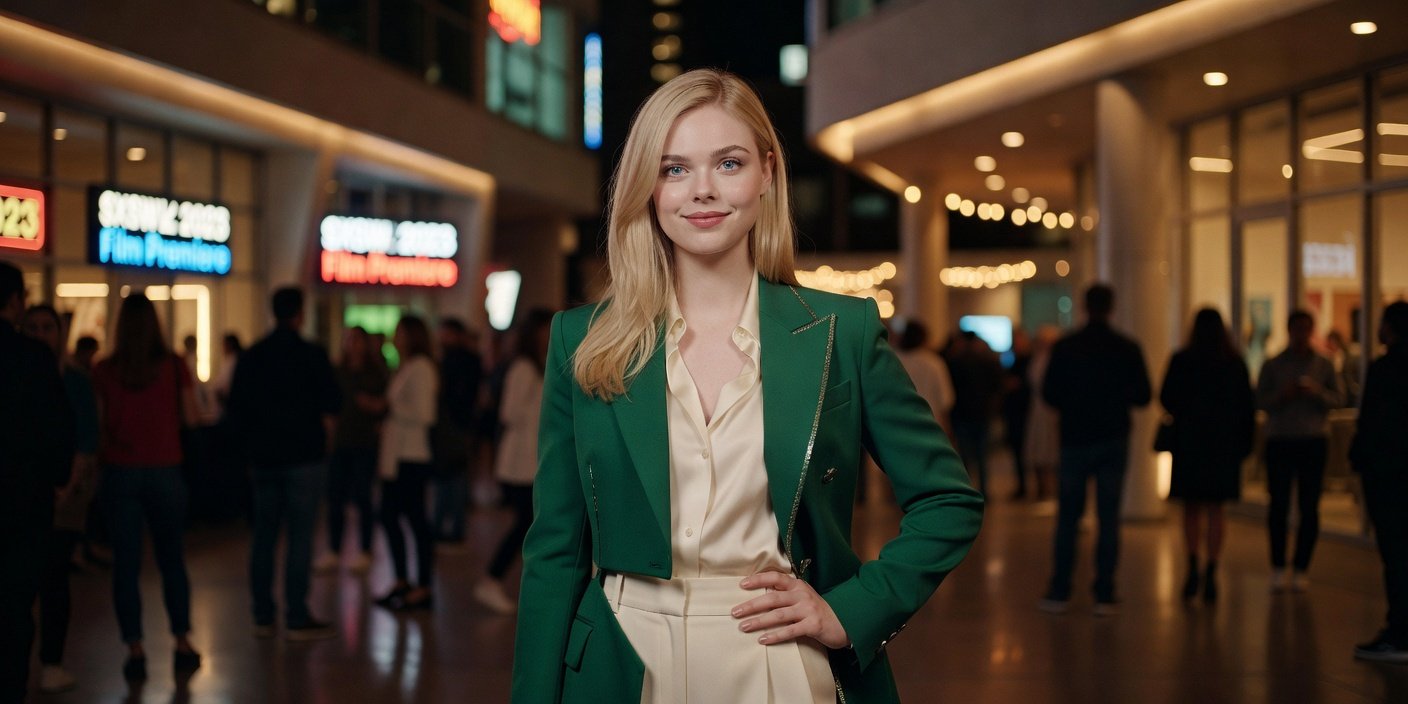
Apple TV’s “Margo’s Got Money Troubles” has officially cemented its status as the most buzzed-about series of the spring, riding a massive wave of momentum that began with its high-profile world premiere at the 2026 SXSW Film & TV Festival in Austin, Texas. The series, which debuted globally on Apple TV on April 15, 2026, has quickly transcended its festival-circuit roots to become a cornerstone of the platform’s original content library. Created by industry titan David E. Kelley and based on the acclaimed novel by Rufi Thorpe, the show offers a biting, deeply human exploration of modern financial anxiety, motherhood, and the chaotic search for identity in the digital age. By opening the prestigious SXSW festival, the show set an immediate tone for what has become a defining television event of 2026, blending star power with the kind of provocative, relatable storytelling that demands conversation.
Key Highlights
- Festival Dominance: The series opened the 2026 SXSW Film & TV Festival at the historic Paramount Theatre, with stars Elle Fanning and Michelle Pfeiffer drawing massive crowds.
- Star-Studded Ensemble: The project boasts a powerhouse cast including Elle Fanning, Michelle Pfeiffer, Nicole Kidman, Nick Offerman, and Greg Kinnear.
- Adaptation Success: The show successfully translates Rufi Thorpe’s 2024 novel, navigating sensitive themes of sex work, gig-economy survival, and family dynamics with a comedic edge.
- Streaming Momentum: Following its April 15, 2026 launch, the series has consistently ranked near the top of Apple TV’s viewership charts, supported by a weekly release cadence that keeps audiences engaged through May 2026.
The Anatomy of a Modern Dramedy
The cultural footprint of “Margo’s Got Money Troubles” is defined by its ability to pivot effortlessly between stark realism and sharp, character-driven comedy. When the series premiered in Austin this past March, critics noted that David E. Kelley—a showrunner best known for his work on legal and crime dramas like “The Lincoln Lawyer” and “Big Little Lies”—was operating in a new, lighter register. This shift in genre proved to be a gamble that paid off, positioning the show as a refreshing departure from the darker, high-stakes narratives often found in the streaming prestige landscape.
SXSW: The Gateway to Cultural Relevance
Selecting “Margo’s Got Money Troubles” as the opening night selection for SXSW was a strategic masterstroke for Apple TV+. The festival, known for its focus on the intersection of technology, film, and culture, provided the perfect backdrop for a series centered on a protagonist who navigates the complexities of the digital gig economy. During the premiere event, the atmosphere at the Paramount Theatre was electric. The cast, including Fanning, Pfeiffer, and Thaddea Graham, brought a tangible energy that translated directly into early press buzz. This festival launch served as the ultimate proof-of-concept for Apple’s ongoing strategy of utilizing film festivals not just as a vanity project, but as a genuine launchpad for series that are built to sustain long-term engagement.
David E. Kelley and the Art of the Adaptation
David E. Kelley’s involvement as showrunner is perhaps the most significant indicator of the series’ production quality. Adapting Rufi Thorpe’s 2024 novel required a delicate balance; the source material is deeply personal, often raw, and structurally unconventional. Kelley, ever the master of the ensemble drama, leans into these quirks rather than smoothing them over. By allowing the story to breathe, he creates a narrative where the “troubles” in the title are not merely plot points, but the scaffolding upon which the characters build their lives. The show utilizes a distinct voiceover narration by Fanning, which adds an intimate, almost confessional quality that grounds the more outlandish comedic scenarios in genuine emotion.
The Fanning-Pfeiffer Dynamic
The performance of Elle Fanning as Margo is a tour de force that anchors the entire series. Her ability to portray the specific, quiet desperation of a young mother facing insurmountable bills while trying to maintain a sense of self is the engine of the show. However, the chemistry between Fanning and Michelle Pfeiffer—who plays her mother, a former Hooters waitress with her own complicated past—provides the show’s emotional bedrock. The series explores the generational divide through a lens of begrudging support and inevitable friction. This relationship is not one of simple mentorship or conflict; it is a complex, evolving dance that reflects the realities of modern family dynamics. The inclusion of Nick Offerman as the ex-pro wrestler father adds a layer of idiosyncratic charm that prevents the show from becoming too heavy, balancing the emotional beats with absurdity.
Secondary Angles: Understanding the Wider Context
To fully appreciate the scope of “Margo’s Got Money Troubles,” we must look beyond the screen and into the industry dynamics at play.
1. The Gig Economy as Narrative Canvas: The show is one of the most prominent mainstream depictions of the “side hustle” era. By placing the protagonist in a situation where she turns to unconventional digital work to survive, the series creates a mirror for the audience. It does not judge the work; instead, it uses the protagonist’s choices to highlight the absurdity of the current economic reality for young adults.
2. The Festival-to-Streaming Pipeline: We are witnessing a fundamental shift in how TV is marketed. Apple TV’s use of SXSW for a series premiere demonstrates that the line between film and episodic television has fully evaporated. By treating a television premiere with the same pomp and circumstance as a blockbuster feature film, Apple is building a prestige brand equity that differentiates it from competitors who rely purely on algorithm-driven content drops.
3. Genre-Bending Aesthetics: The visual language of the show—specifically the neon-drenched, high-contrast scenes when Margo is working—contrasts sharply with the natural, sun-bleached lighting of her home life. This is a deliberate aesthetic choice by the directorial team (led by Dearbhla Walsh and others) to visually distinguish the “public” and “private” selves that the modern digital landscape forces individuals to curate.
FAQ: People Also Ask
Is ‘Margo’s Got Money Troubles’ based on a true story?
No, it is a fictional television series based on the 2024 best-selling novel of the same name by author Rufi Thorpe. While it draws on very real modern struggles, the characters and the plot are entirely fictional.
Where can I watch the series?
The series is an Apple TV+ original. It is available to stream exclusively on the Apple TV platform, with all episodes having been released as of May 2026.
How many episodes are in the first season?
The first season of “Margo’s Got Money Troubles” consists of eight episodes. The series premiered with the first three episodes on April 15, 2026, followed by weekly releases.
Who directed the series?
The show features direction from a talented ensemble of filmmakers, including Dearbhla Walsh, who directed the pilot, along with Kate Herron and Alice Seabright, under the creative stewardship of showrunner David E. Kelley.