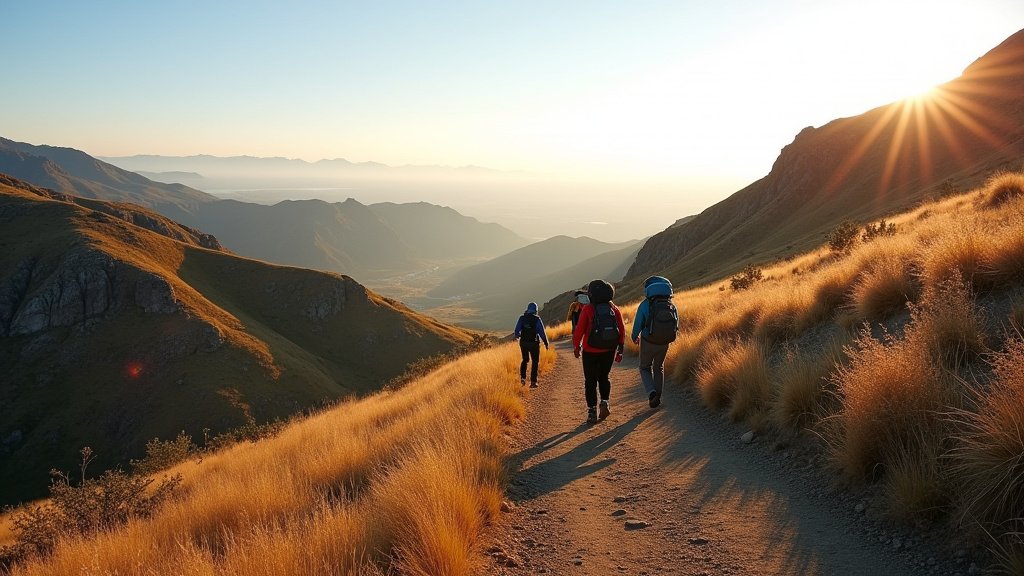
September 2026 marks a pivotal transition for Southern Oregon’s landscape, offering a unique ‘golden window’ for outdoor exploration. As the intense heat of the Rogue Valley subsides and the humidity drops, local trail networks—ranging from the high-alpine ridges of the Siskiyou Mountains to the iconic basalt formations of the Table Rocks—become fully accessible, providing hikers with stable weather conditions and fewer crowds than the peak summer months. This season serves not only as a prime time for recreation but as a critical period for community-led stewardship, with various educational programs and events scheduled to emphasize the importance of maintaining public lands before the winter snowfall arrives.
Key Highlights
- Prime Hiking Conditions: September offers average temperatures between 65°F and 80°F, ideal for multi-day treks on the Pacific Crest Trail and day hikes through the Cascade-Siskiyou National Monument.
- Community Stewardship: Regional organizations, including the Siskiyou Mountain Club, are hosting trail restoration workshops focusing on fire-hardened infrastructure.
- Public Lands Education: New initiatives from the Bureau of Land Management (BLM) Medford District provide guided educational outings focused on the region’s unique botanical biodiversity.
- Seasonal Safety: Hikers are advised to remain vigilant regarding late-season wildfire smoke levels and to utilize real-time air quality monitoring resources before departing on remote excursions.
Navigating the Southern Oregon Wilderness: September 2026 Expedition Guide
For outdoor enthusiasts, the Southern Oregon region—encompassing Jackson, Josephine, and Klamath counties—represents a complex ecosystem that requires intentional preparation and respect. As we move into September 2026, the local recreational calendar is densely packed with opportunities to engage with the environment through organized hikes and community-focused celebrations.
The Golden Window for Alpine and Valley Hiking
The geographical diversity of Southern Oregon creates a varied landscape that peaks in late summer. In September, the focus shifts toward higher elevations, such as the Mt. Ashland watershed and the higher-altitude segments of the Pacific Crest Trail (PCT) that traverse the region. Unlike the valley floor, which may still hold lingering heat, these high-elevation zones offer crisp morning temperatures and clear visibility.
Experts suggest that the first two weeks of September provide the best opportunity for hikers to tackle strenuous climbs without the thermal risks of August. The Siskiyou Mountain Club has reported that trail conditions on popular routes—such as the Wagner Butte Trail—are currently optimized for safe navigation, though hikers should remain aware of potential loose rock and seasonal erosion. The unique geology of the Table Rocks, managed in partnership between the BLM and The Nature Conservancy, remains a staple destination. The moderate temperatures allow for safer exploration of the vernal pool-free plateau, where hikers can observe the lingering transition of autumn flora.
Stewardship and Educational Engagement
Recreation in Southern Oregon is increasingly paired with stewardship. The Southern Oregon Land Conservancy and the PCT Association are placing a heavy emphasis on ‘leave-no-trace’ education during the upcoming month. For those interested in more than just physical activity, several guided educational events are scheduled. These outings are designed to teach participants about the delicate ecological balance of the Cascade-Siskiyou National Monument, which was established specifically to protect its immense biodiversity.
Participants in these programs often gain access to restricted areas or receive insights from local biologists regarding the management of regional forests. These educational opportunities are vital, as they foster a culture of conservation. The goal of these programs is to ensure that the increased foot traffic seen in recent years does not degrade the very trails that draw thousands of visitors annually. Organizations are prioritizing the recruitment of volunteers to assist with maintenance projects, particularly after the dry summer months have tested the integrity of trail structures.
Strategic Planning for Remote Excursions
Preparation is the hallmark of a successful September trek in Southern Oregon. Because the region is prone to late-season wildfire activity, planners must prioritize logistics. The ‘Oregon Smoke’ factor is a reality that necessitates a flexible itinerary. Hikers are encouraged to utilize resources such as the AirNow fire and smoke map to monitor regional air quality indices (AQI). If an area is trending toward unhealthy levels, local outdoor experts recommend shifting activities toward the coastal ranges or adjusting the elevation of the planned hike.
Furthermore, the economic impact of this ecotourism is significant. Local businesses, particularly those in small towns like Jacksonville and Ashland, rely on the influx of hikers and outdoor enthusiasts during the September shoulder season. Supporting these businesses is a secondary goal of the local tourism boards, which have coordinated with hiking groups to provide maps and resource guides. By staying in local lodges and purchasing supplies from regional outfitters, visitors contribute to the economic sustainability of the towns that serve as the gateway to the wilderness.
As we look forward to the remainder of 2026, it is clear that Southern Oregon’s appeal is not just in its dramatic geography, but in the community that protects it. Whether you are a casual day-hiker looking for a sunset view at the Table Rocks or a seasoned backpacker tackling the Siskiyou crest, September provides a unique opportunity to connect with the landscape in a meaningful, responsible way. Always remember to check with the BLM Medford District office before heading into remote sections, as specific fire restrictions or trail closures may be updated on a weekly basis to account for changing forest conditions.