As the Pacific Northwest stares down the barrel of a potentially explosive fire season, the landscape of Southern Oregon has become a hive of activity. Crews are currently racing against the clock, deploying into forest tracts and wildland-urban interfaces (WUI) to thin dense vegetation before the summer heat settles in. With a notably dry winter and record-low snowpack leaving the region’s forests parched, forestry experts and emergency agencies are shifting from post-fire suppression to pre-emptive landscape management, treating high-risk zones to starve future blazes of their most potent fuel sources.
The Urgency of Fuel Moisture
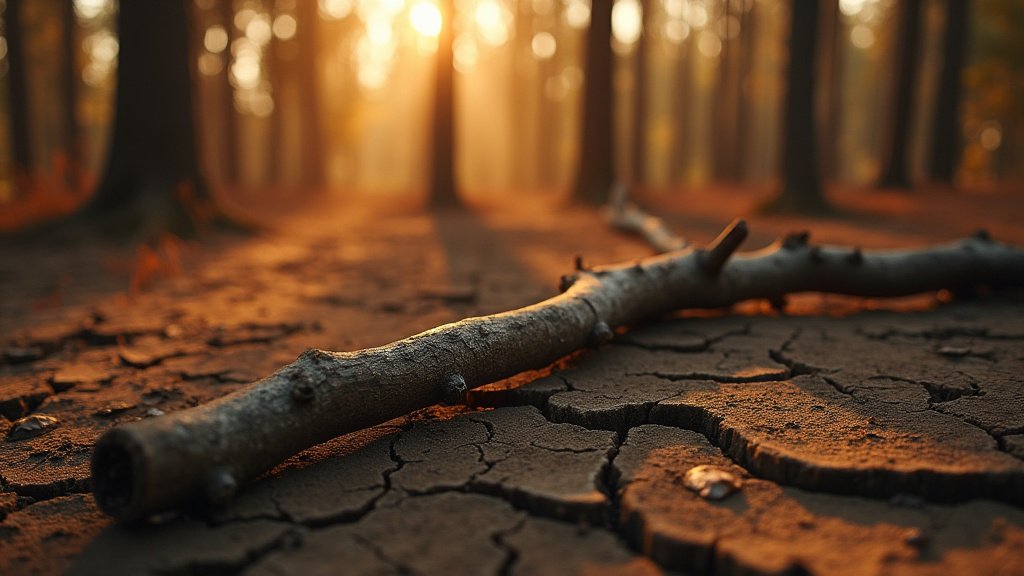
At the core of this year’s aggressive mitigation strategy is the concept of “fuel moisture.” Forestry experts, including teams from Grayback Forestry, have been actively monitoring the hydration levels of timber in areas like the Cathedral Hills Trail System near Grants Pass. The data is sobering: live fuel moisture levels, which should ideally be saturated near 160% by mid-May, have been significantly lagging, with some measurements hovering as low as 60% just weeks ago. This deficit means that the forest floor and understory are effectively primed to ignite. By removing small-diameter trees—specifically those under eight inches—and clearing dense brush, crews are attempting to artificially lower the potential intensity of any fire that may break out, creating strategic breaks that allow for more effective containment when the inevitable first spark occurs.
Strategic Mitigation and Mechanical Thinning
Fuel reduction is not a haphazard endeavor; it is a calculated engineering process. Mechanical thinning involves the systematic removal of smaller, weaker trees that compete for water and nutrients, thereby suppressing the health of the overall stand. By removing this “ladder fuel”—vegetation that allows fire to climb from the ground to the canopy—crews can significantly alter the behavior of a wildfire. When a fire encounters a treated area, it is far more likely to remain a surface fire, which is easier for firefighters to manage and contain, rather than crowning into the canopy, which typically creates the uncontrollable, massive firestorms that define modern wildfire seasons.
Inter-Agency Synergy and The WUI Challenge
The effort is a masterclass in inter-agency cooperation. The Bureau of Land Management (BLM) and the Oregon Department of Forestry (ODF) are working in tandem with private contractors to prioritize projects that protect the Wildland-Urban Interface (WUI). This specific designation refers to areas where homes and wildlands intermingle, making them the highest priority for preventative treatment. Agencies like the ODF are also leveraging new technological assets, including multi-mission aircraft stationed in Prineville, which are specifically equipped for night-time detection and mapping of fire starts. This technology, combined with the boots-on-the-ground manual labor of crews thinning the woods, creates a layered defense strategy. The goal is simple: ensure that if a fire starts, it is contained quickly, before it becomes a landscape-scale event.
Historical Context: The Changing PNW Climate
For decades, forestry management in the Pacific Northwest relied on a predictable cycle of wet, cool winters and distinct fire seasons. However, that baseline has shifted. Climatologists warn that the “new normal” includes extended drought periods and winter precipitation falling as rain rather than snow. This shift eliminates the natural insulation of deep snowpack, which previously kept forest soils cool and moist well into the summer. Today’s mitigation efforts are an adaptation to this permanent change, moving away from reactive firefighting toward proactive, year-round forest maintenance.
Economic Impact: Suppression vs. Prevention
The economic argument for this intensive spring work is stark. The cost of fuel reduction treatments—chainsaws, manual labor, and biomass disposal—is a fraction of the astronomical financial toll required for large-scale fire suppression, asset protection, and community recovery. By investing millions in proactive forest thinning, agencies save billions in potential disaster damages. Furthermore, the private forestry contracting industry, which employs hundreds of workers in Southern Oregon, serves as a vital economic engine during the spring, keeping a skilled workforce ready to pivot to firefighting duties as soon as the official fire season kicks off.
The Future of Fire Resilience
Looking ahead, the focus is likely to remain on high-precision management. This includes increasing the usage of Firewise USA-aligned programs, which incentivize homeowners to create defensible space on private property. When combined with federal and state efforts to manage public lands, this creates a comprehensive web of resistance against fire spread. As Southern Oregon heads into the hotter, drier months, the hum of chainsaws remains the sound of prevention—a reminder that the fight against the next major wildfire is already being won, or lost, in the brush of today.
FAQ: People Also Ask
Why are crews clearing trees now, when it is still relatively cool?
Crews work during the spring because vegetation is currently wet enough to work in without the high risk of accidental ignition from equipment. Additionally, this is the prime window before the summer heat fully dries out the region, ensuring that fuel reduction targets are met before the highest risk period arrives.
What is a ‘ladder fuel’ and why is it dangerous?
Ladder fuels are low-level vegetation, such as shrubs and small trees, that connect the ground to the forest canopy. They provide a path for fire to climb upward, allowing a surface fire to transform into a high-intensity canopy fire that is significantly more difficult to control.
How can homeowners participate in fire mitigation?
The Firewise USA program provides specific guidance for homeowners on creating defensible space. This includes clearing dry brush from around your house, maintaining gutters, and ensuring that trees are properly spaced, which gives fire crews a better chance of defending your property during an active emergency.
Is this year’s fire season expected to be worse than previous ones?
Forecasters are observing record-low snowpack and dry winter conditions, which are leading indicators of an active fire season. While seasonal outlooks can fluctuate, the current data suggests that the region is in a high-risk category for potential fire activity if spring rains do not continue to bolster moisture levels.