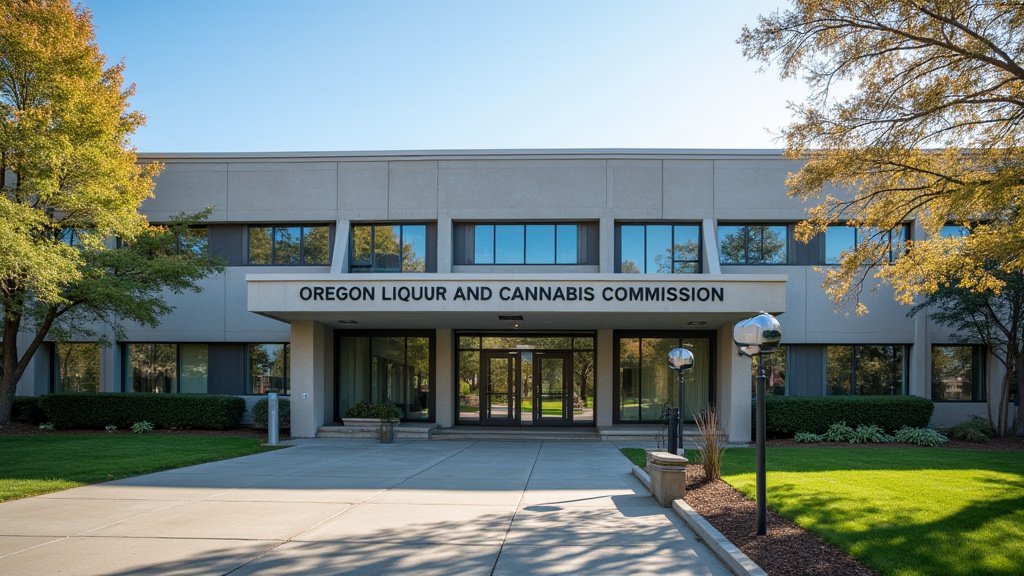
The Oregon Liquor and Cannabis Commission (OLCC) has officially signaled an urgent requirement for a 75% increase in licensing fees, positioning the move as a critical intervention to stave off a burgeoning $17.25 million budget shortfall. This fiscal proposal, which could significantly reshape the state’s cannabis regulatory environment, underscores the escalating costs of maintaining compliance and oversight in a maturing market. Agency officials have explicitly warned that failing to authorize this hike could lead to the elimination of 53 staff positions, a reduction that critics argue would severely compromise enforcement, licensing turnaround times, and overall industry transparency.
Key Highlights:
- Fiscal Deficit: The OLCC faces a $17.25 million structural budget shortfall that threatens to disrupt standard operations.
- Regulatory Action: Agency leadership is pushing for a 75% increase in cannabis licensing fees to bridge the gap.
- Potential Fallout: If the proposed fees are not approved by the legislative body, the agency warns it may be forced to cut 53 staff positions.
- Industry Impact: The move has sparked concerns among stakeholders regarding the added financial burden on small business operators and potential pass-through costs to consumers.
Balancing the Ledger: The Crisis in Cannabis Oversight
The announcement from the Oregon Liquor and Cannabis Commission serves as a stark reminder that the business of legalization is not free. While cannabis has become a tax-revenue powerhouse for the state, the internal cost of regulating the industry—spanning compliance audits, track-and-trace monitoring, licensing, and illicit market enforcement—has risen in tandem with the complexity of the market itself. The proposed 75% fee hike is not merely a request for more funding; it is framed by the agency as a life-support measure for its regulatory infrastructure.
The Drivers Behind the $17.25 Million Shortfall
The $17.25 million deficit is the result of a “perfect storm” in state government finance. Operational costs for the agency, including salaries, technology upgrades, and the logistical demands of monitoring thousands of dispensaries and cultivation sites, have climbed. During the initial rollout of recreational cannabis, fee structures were set based on projections that have shifted significantly as market prices fluctuated and the sheer volume of licensees grew, necessitating more frequent and rigorous inspections.
Furthermore, the “fee-for-service” model traditionally used by the OLCC has struggled to keep pace with inflation. As the agency points out, the existing fee schedule was established in a different economic era. The current deficit reflects the difference between what the agency collects from industry players and the actual cost of the personnel, data systems, and investigative work required to keep the industry compliant. Without a legislative adjustment to these fees, the agency’s reserves are projected to evaporate, leaving the state without the funds necessary to properly oversee the legal market.
The Human Cost: Evaluating the 53 Position Cuts
The most alarming aspect of the budget proposal is the potential loss of 53 positions within the OLCC. These are not merely administrative roles; they encompass field inspectors, compliance officers, and licensing specialists. The reduction of 53 employees would represent a significant thinning of the regulatory “shield” that protects the legal market from illegal operators.
Regulatory experts suggest that a staffing reduction of this magnitude would lead to a bottleneck in license renewals, slowed response times for consumer complaints, and a decrease in the enforcement presence needed to clamp down on the “gray market” or black-market products leaching into the legal system. For licensees, the concern is that an understaffed agency is an ineffective one—leading to unpredictability, longer wait times for operational approvals, and an increased risk of unintentional compliance violations due to a lack of guidance.
Economic Ripples and the Small Business Conundrum
While the agency views the 75% fee hike as a necessity, the cannabis industry is understandably wary. Many small businesses are already operating on razor-thin margins due to market saturation and competition from established players. A 75% increase in licensing costs represents a significant overhead jump.
Industry advocates have called for a tiered approach to the fee increases, arguing that blanket hikes could disproportionately punish micro-businesses and craft cultivators, while larger, well-funded operations would absorb the cost with relative ease. The debate is now shifting toward whether the state should consider a sliding-scale fee model that better aligns with the revenue capacity of the diverse range of businesses operating under the OLCC’s purview.
Future-Proofing State Oversight
Beyond the immediate budget fix, this scenario highlights a broader trend: the need for a sustainable funding model for cannabis regulation. Many states are currently grappling with the transition from the “launch phase” of legalization—where initial fees were often lower to encourage market entry—to a “maintenance phase,” where the cost of rigorous, ongoing regulation must be sustained by the industry itself.
As the Oregon legislature considers the OLCC’s request, the conversation will likely pivot toward accountability. If the fees are increased, what will the industry receive in return? Stakeholders are already demanding improved digital portal efficiency, faster processing times, and more consultative compliance support. The outcome of this legislative session will set a precedent for how Oregon values its regulatory oversight of the cannabis industry, determining whether the state will continue to lead in industry standards or succumb to the pressures of budgetary stagnation.
FAQ: People Also Ask
Why does the OLCC need a 75% fee increase?
The OLCC states that current licensing fee revenue is insufficient to cover the actual costs of regulation, compliance, and enforcement, leading to a structural $17.25 million deficit that must be addressed to keep the agency operational.
What specific roles would be cut if the fee increase fails?
The agency has identified 53 positions that could be eliminated. These likely include field inspectors, licensing staff, and compliance officers, all of whom are essential for monitoring industry safety and legal adherence.
How will this impact cannabis business owners?
If approved, businesses will face significantly higher annual licensing costs. Industry advocates are currently lobbying for potential tiered structures to ensure that small, local operators are not disproportionately burdened compared to larger, multi-state cannabis corporations.
When will a decision on the fee increase be made?
The proposed fee increase is subject to the legislative budget process in Oregon. Industry participants are closely monitoring upcoming sessions, as the decision will likely be tied to the broader state budget negotiations and the approval of the agency’s spending authority.