Commute Options has officially announced the return of its highly anticipated May Walk & Roll Challenge, an annual community-driven event designed to transform the daily commute from a chore into a catalyst for environmental and personal well-being. As metropolitan areas struggle with increasing traffic congestion and the ongoing need for carbon reduction, this initiative invites participants to trade their vehicles for walking shoes, bicycles, or public transit options throughout the month. By gamifying the commute, the organization aims to cement long-term behavioral changes that prioritize sustainable transportation over single-occupancy vehicle travel.
Key Highlights
- Month-Long Engagement: The challenge spans the entire month of May, encouraging consistent habit formation rather than one-off participation.
- Gamified Sustainability: Participants track their trips to compete for local prizes, fostering a sense of friendly competition and community accountability.
- Infrastructure Focus: The event highlights the need for better pedestrian and cycling infrastructure by demonstrating real-world usage patterns.
- Eco-Friendly Impact: Directly targets the reduction of daily carbon emissions by removing cars from the road during peak commute hours.
The Resurgence of Active Transit Incentives
The decision to bring back the May Walk & Roll Challenge arrives at a pivotal moment in urban planning. As municipal leaders across the country grapple with the dual challenges of rising road maintenance costs and the imperative to meet climate goals, regional organizations like Commute Options are positioning themselves as the connective tissue between city infrastructure and public behavior. The challenge is not merely an event; it is an experiment in social engineering, designed to demonstrate that when barriers to entry—such as safety concerns or lack of information—are removed, citizens are eager to adopt greener transit options.
The Mechanics of Behavior Change
At the core of the challenge is the concept of behavioral economics applied to transportation. Commuting is often described as an “inelastic” habit; people drive because they have always driven. To break this cycle, the May Walk & Roll Challenge employs a multi-tiered strategy. First, it lowers the cognitive load of switching transit modes by providing resources, maps, and safety tips. Second, it utilizes social proof. When participants see their neighbors, coworkers, and friends logging their “walks” and “rolls” on leaderboards, the perceived difficulty of switching away from car culture diminishes. The social pressure—and the social reward—create an environment where changing one’s routine feels like an achievement rather than a sacrifice.
Economic Impacts of Reduced Congestion
The economic implications of this challenge extend beyond the individual participant. For a municipality, every car removed from the road during rush hour represents a marginal decrease in wear and tear on asphalt infrastructure. While one person biking to work might seem negligible, the cumulative effect of hundreds of commuters participating in a month-long event provides city planners with valuable data. Heat maps generated from participant logs can highlight gaps in bike lane connectivity, dangerous intersections, and areas where public transit is underserved. This data-driven approach allows city councils to allocate funding more efficiently, focusing on “low-hanging fruit” that creates the highest return on investment for the community.
Integrating Micro-Mobility and Future Tech
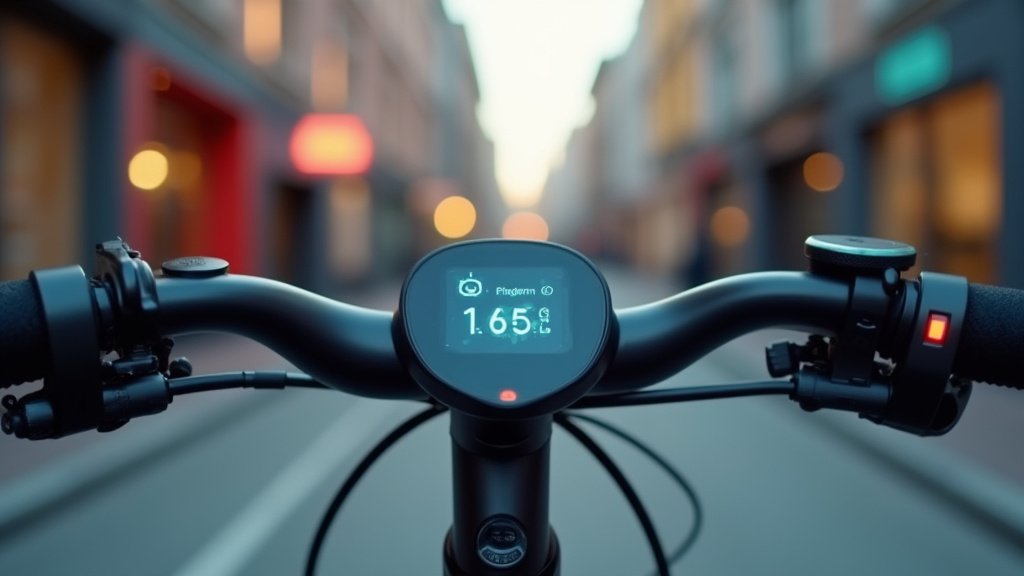
This year’s iteration of the challenge places a heightened emphasis on micro-mobility, specifically e-bikes and e-scooters. As battery technology improves and prices drop, these modes of transport are bridging the gap between “too far to walk” and “too close to drive.” The inclusion of these technologies in the challenge acknowledges the shifting landscape of transit. Many participants who might have felt intimidated by traditional cycling are finding e-bikes to be the “great equalizer,” allowing them to conquer hills and arrive at work without the need for a shower. This integration is vital for the program’s long-term sustainability and its ability to appeal to a broader demographic, moving beyond the “avid cyclist” niche to include the average suburban commuter.
Long-Term Environmental Stewardship
The environmental math remains the most compelling argument for the program. Transportation remains one of the largest contributors to greenhouse gas emissions in the United States. By incentivizing even a 10% shift in commute modes for a single month, the ripple effect can be substantial. Beyond the raw data of tons of CO2 saved, the challenge fosters an appreciation for the local environment. When people walk or cycle, they interact with their surroundings differently than they do behind a windshield. This “eyes on the street” awareness often correlates with increased civic engagement and a stronger push for local conservation efforts, proving that the health of the community and the health of the planet are deeply intertwined.
FAQ: People Also Ask
Q: How does the tracking process work for the May Walk & Roll Challenge?
A: Commute Options typically utilizes a digital dashboard or mobile application where participants log their trips. Users enter their origin, destination, and mode of transport, and the system automatically calculates the distance traveled and carbon emissions saved, contributing to both individual and community-wide leaderboards.
Q: Can I participate if I don’t live in the main downtown core?
A: Yes. The program is designed to include suburban and outlying areas. Many participants use “multimodal” trips, such as driving to a park-and-ride station and then cycling or walking the final leg, which still counts toward the challenge goals.
Q: Are there actual prizes for winning?
A: The challenge usually partners with local businesses, coffee shops, and bike stores to offer tangible rewards. These incentives serve to boost local economic activity while reinforcing positive behavior change.
Q: What if the weather is bad during May?
A: The challenge encourages resilience. One of the main goals is to learn how to prepare for different weather conditions, which is a key skill for year-round sustainable commuting. Participants are encouraged to share gear tips and weather-appropriate clothing strategies in community forums.