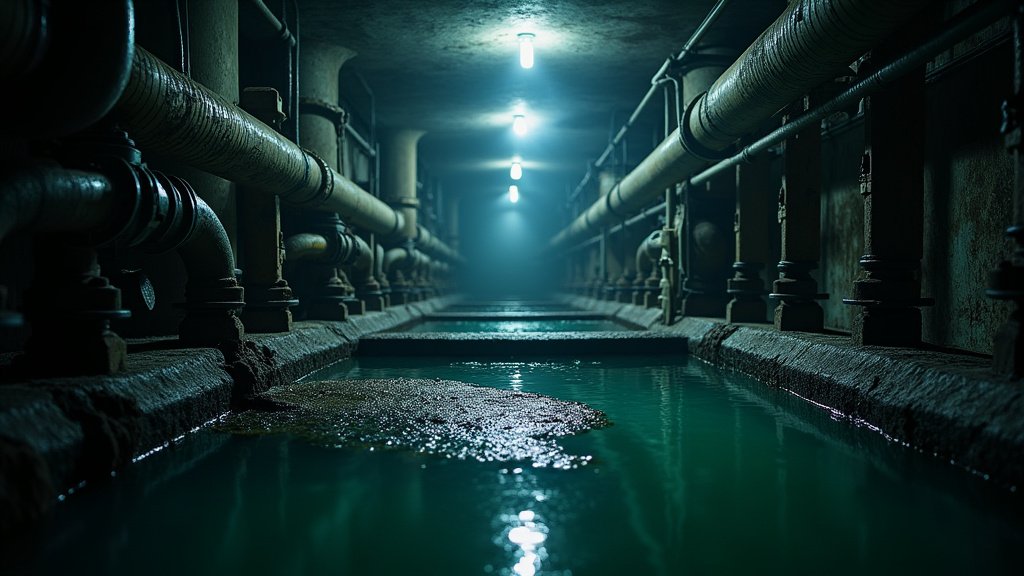
Astoria, Oregon’s burgeoning craft brewery scene is facing a critical challenge: the city’s aging wastewater infrastructure is struggling to keep pace with the increased demand, threatening both environmental compliance and continued economic growth. As more breweries open and expand, the volume of wastewater, particularly high-strength organic waste, puts immense pressure on the municipal treatment plant.
Key Highlights:
- Astoria’s wastewater treatment plant is nearing capacity due to increased demand from its growing brewery industry.
- High-strength organic waste from breweries poses a significant challenge for the existing infrastructure.
- The city is exploring infrastructure upgrades and potential new regulations to manage the strain.
- A failure to address these issues could lead to environmental violations and hinder future economic development.
Wastewater Woes: The Brewing Bottleneck
The charm of Astoria, Oregon, is intrinsically linked to its vibrant craft beer culture. However, this very success is now placing an unprecedented strain on the city’s fundamental services, specifically its wastewater treatment capabilities. The rapid expansion of local breweries, while a boon for tourism and the local economy, has led to a surge in high-strength wastewater discharges that the current municipal system was not designed to handle. This situation presents a complex dilemma for city officials, balancing economic prosperity with environmental stewardship and public health.
The Growing Burden of Brewery Effluent
Wastewater from breweries is not akin to typical residential sewage. It is often characterized by a high biochemical oxygen demand (BOD) and chemical oxygen demand (COD) due to the presence of organic materials such as sugars, starches, and hop residues. When these large volumes of concentrated effluent enter the municipal sewer system, they can overwhelm the biological treatment processes at the wastewater treatment plant. This can lead to incomplete treatment, potential bypasses of untreated or partially treated wastewater into the environment, and increased operational costs for the city. According to the Astoria Public Works Department, several of the city’s breweries are now contributing a significant percentage to the plant’s overall influent load, a trend that is projected to worsen without intervention.
Infrastructure Under Pressure
Astoria’s current wastewater treatment infrastructure was largely built decades ago, with upgrades that have not kept pace with the city’s growth and the specific demands of its industrial and commercial sectors. The existing pipes, pumps, and treatment basins are reaching their operational limits. The increased flow and pollutant load necessitate more frequent maintenance, higher energy consumption, and a greater risk of system failures. Engineers are concerned about the plant’s ability to consistently meet stringent environmental discharge standards set by the Oregon Department of Environmental Quality (DEQ) if the current trajectory continues. The risk of non-compliance carries the threat of hefty fines and mandated, costly upgrades.
Exploring Solutions: Upgrades and Regulations
City officials are actively exploring a range of solutions. One primary avenue is the investigation of significant infrastructure upgrades. This could involve expanding the capacity of the wastewater treatment plant, upgrading to more advanced treatment technologies capable of handling higher organic loads, or even constructing new interceptor sewers. However, such projects are enormously expensive and time-consuming, often requiring years of planning, design, and construction, along with substantial public funding or bond measures.
Concurrently, the city is considering policy and regulatory measures. These might include implementing stricter discharge limits for industrial users, requiring breweries to pre-treat their wastewater before it enters the municipal system, or establishing capacity fees to help fund necessary upgrades. The potential for new regulations is a point of concern for the local brewery owners, who rely on efficient and cost-effective operations. Dialogue between the city and the brewing community is ongoing, aiming to find a collaborative path forward that supports both economic vitality and environmental sustainability.
Economic Ripple Effects and Future Outlook
The strain on Astoria’s wastewater system has broader economic implications. If the city is unable to manage wastewater effectively, it could stifle future development, not just for breweries but for any industry that contributes to the wastewater load. This could deter new businesses from relocating to Astoria and potentially impact tourism, a cornerstone of the local economy. The success of the breweries is a testament to Astoria’s appeal, but this success must be sustainable. The city must invest in its foundational infrastructure to ensure that its growth is not ultimately limited by its ability to manage its waste.
FAQ: People Also Ask
What is high-strength wastewater?
High-strength wastewater is characterized by a high concentration of organic matter, measured by parameters like Biochemical Oxygen Demand (BOD) and Chemical Oxygen Demand (COD). Breweries, food processing plants, and certain other industries typically produce high-strength wastewater due to the organic byproducts of their operations.
How does brewery wastewater differ from residential wastewater?
Brewery wastewater generally contains significantly higher levels of organic compounds, sugars, and hop residues compared to residential wastewater, which primarily consists of human waste and household cleaning agents. This higher organic load requires more robust treatment processes.
What are the environmental risks of overloaded wastewater systems?
Overloaded wastewater systems can lead to the discharge of untreated or partially treated sewage into rivers, lakes, or oceans. This can harm aquatic ecosystems, contaminate drinking water sources, and pose risks to public health through exposure to pathogens and pollutants.
What are the potential solutions for cities facing similar infrastructure challenges?
Cities can address these challenges through a combination of infrastructure upgrades (increasing capacity, improving treatment technology), implementing stricter industrial pre-treatment programs, revising impact fees to fund improvements, and fostering collaborative planning with industrial stakeholders.
How can breweries minimize their impact on municipal wastewater systems?
Breweries can minimize their impact by implementing on-site pre-treatment systems, reducing water usage, segregating high-strength waste streams, and collaborating with city officials on best management practices and potential waste minimization strategies.