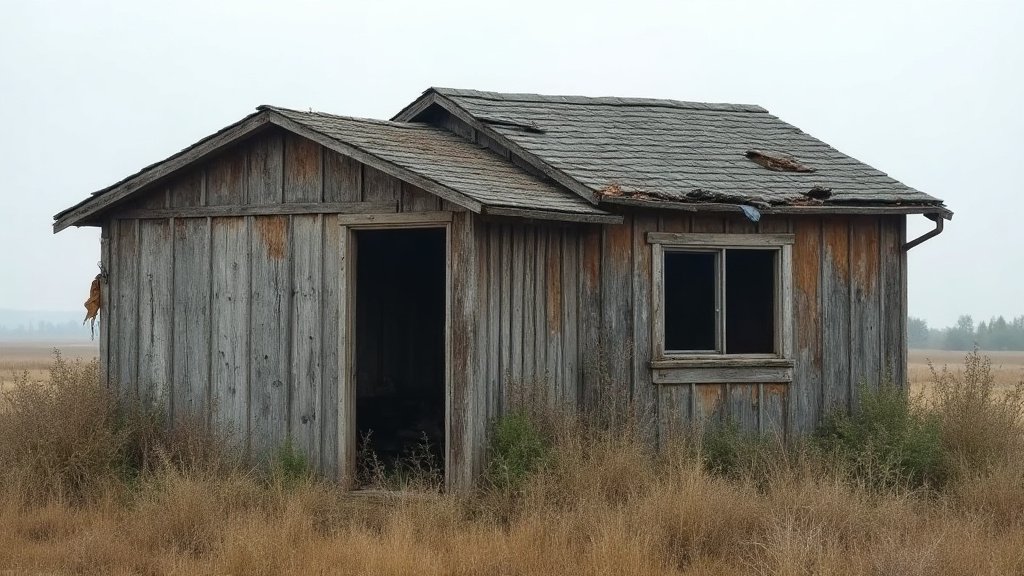
Oregon’s booming cannabis industry, often celebrated for its rapid economic growth and legalization success, faces a sobering reality check as investigative reporting uncovers that many migrant farmworkers are living in substandard, dangerous, and unsanitary housing. A recent exposé by InvestigateWest has brought to light the plight of workers at a specific Oregon marijuana farm, where egregious OSHA violations and a lack of basic human dignity have sparked widespread calls for stricter regulatory enforcement.
Key Highlights
- InvestigateWest report exposes hazardous and unsanitary living conditions for migrant workers at an Oregon cannabis operation.
- Official investigations confirmed severe OSHA violations, including dangerous pest infestations and a complete lack of basic sanitation facilities.
- A labor contractor associated with the site was issued a $17,000 fine, underscoring the legal consequences of failing to meet agricultural housing standards.
- The incident highlights a critical, often overlooked intersection between the lucrative ‘green rush’ and the precarious state of agricultural labor protections in the Pacific Northwest.
The Dark Side of the Green Rush: Housing Inequity in Oregon
For years, Oregon has positioned itself as a leader in the cannabis market, generating millions in tax revenue and creating thousands of jobs. However, the veneer of a polished, modern industry is cracking under the weight of an investigation into the living conditions of the very labor force that powers this sector. The recent findings regarding a specific Oregon marijuana farm serve as a stark reminder that prosperity for the many can sometimes be built upon the exploitation of the vulnerable few. When InvestigateWest began looking into these labor housing sites, they uncovered conditions that most would consider unfit for human habitation, characterized by crumbling infrastructure, poor ventilation, and hygiene standards that fall well below the legal threshold.
Unpacking the OSHA Violations and Health Risks
The Occupational Safety and Health Administration (OSHA) plays a pivotal role in ensuring that workers are not subjected to dangerous environments. In this specific case, the violations were not merely administrative oversights; they represented a fundamental failure to provide a safe place to live. Reports indicate that investigators found significant pest infestations, which pose not only a discomfort but a severe health risk to the migrant workers stationed there. Coupled with a lack of basic sanitation—such as functional, hygienic bathroom facilities and running water—these conditions present a clear violation of state and federal labor laws. The $17,000 fine levied against the labor contractor serves as an acknowledgment of the severity of these infractions, yet critics argue that such penalties are often viewed merely as the ‘cost of doing business’ rather than a deterrent against future neglect.
Regulatory Oversight and the Accountability Gap
The challenge in Oregon, as in many states, lies in the enforcement of housing standards for agricultural workers. Migrant labor is often transient and isolated, making it difficult for agencies like OSHA or the Oregon Bureau of Labor and Industries (BOLI) to conduct regular, proactive inspections. The burden of reporting often falls on the workers themselves, who may be reluctant to come forward for fear of retaliation, loss of employment, or deportation. This dynamic creates a significant accountability gap. Without a more robust inspection regime that specifically targets these seasonal, agricultural housing units, it is highly likely that similar conditions exist elsewhere in the state’s massive agricultural sector, hidden from public view and regulatory scrutiny.
The Intersection of Agriculture and Housing Rights
One of the most persistent issues facing the agricultural sector in the Pacific Northwest is the historical disconnect between labor demand and housing supply. As large-scale operations expand, the need for seasonal labor increases, yet the infrastructure to house these workers has not kept pace. This creates a vacuum, often filled by unscrupulous labor contractors who prioritize cost-cutting over worker welfare. The shift toward a legalized cannabis market was supposed to modernize the industry, yet, in this instance, it has mirrored the worst historical trends of traditional agricultural labor exploitation.
Labor Contractor Accountability: Beyond the Fine
The $17,000 fine is a starting point for accountability, but it raises questions about systemic reform. If the financial penalty is insufficient to drive change, what will? Legal experts suggest that the future of worker protection in Oregon must involve more than just monetary fines; it requires stringent licensure requirements for contractors and mandatory, unannounced housing audits. Furthermore, the responsibility should not rest solely on the contractor; there is an emerging argument that the farm owners and stakeholders should bear ‘joint employer’ liability for the conditions of the housing provided to their workforce.
The Broader Economic Impact on Immigrant Workers
Immigrant workers are the backbone of Oregon’s agricultural economy. Their labor contributes significantly to the state’s GDP, particularly within the cannabis and fruit-picking sectors. When these workers are forced to endure substandard living conditions, the negative economic impact is twofold. First, it perpetuates a cycle of poverty and health issues that eventually place a strain on public social services. Second, it creates an uneven playing field in the labor market, where reputable farms that invest in safe housing are undercut by those who cut corners. Protecting the welfare of these workers is not just a moral imperative; it is an economic necessity to ensure a fair and sustainable industry.
FAQ: People Also Ask
Q: What are the primary responsibilities of a labor contractor regarding worker housing?
A: In Oregon, labor contractors are legally required to provide housing that meets specific OSHA and state health standards, which include adequate ventilation, clean sanitation facilities, protection from pests, and structural integrity.
Q: Why are migrant workers often afraid to report housing violations?
A: Fear of retaliation is a major factor. This can include the threat of termination, blacklisting from future employment, or, for undocumented workers, the fear of immigration enforcement intervention.
Q: How can Oregon strengthen its enforcement of agricultural housing standards?
A: Experts advocate for increased funding for BOLI and OSHA to conduct more frequent, proactive, and unannounced inspections of labor camps, combined with stronger legal penalties that go beyond minor financial fines.