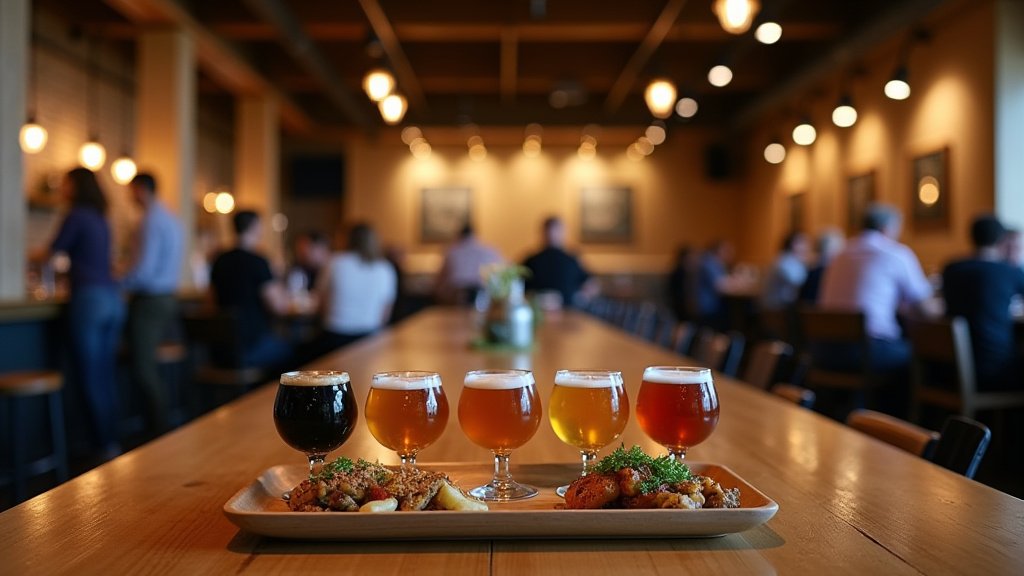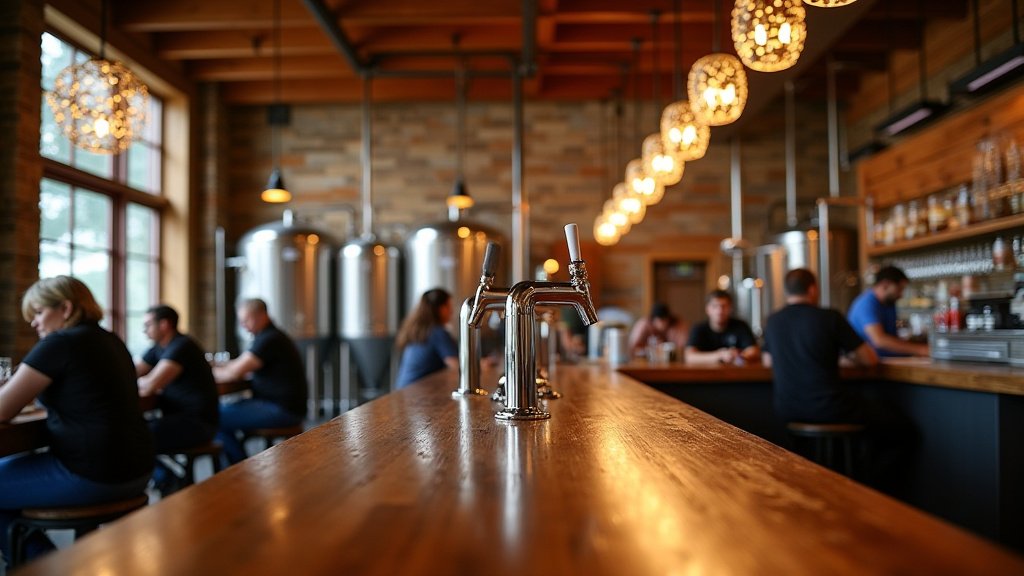
Portland’s craft beer scene is experiencing a significant shift in geography, as award-winning Grand Fir Brewing officially announces its expansion into Damascus, Oregon. The development, centered around a new satellite location dubbed “The Outpost,” marks a pivotal moment for the brand, which was founded by industry veterans Whitney Burnside and Doug Adams. This expansion is designed not merely to increase footprint but to solve critical production constraints and better serve the growing populations southeast of Portland.
Scaling the Grand Fir Vision: More Than Just a Taproom
The decision to launch “The Outpost” in Damascus serves as a calculated operational maneuver. For many independent breweries in the Pacific Northwest, the challenge is rarely a lack of demand, but rather the logistical bottleneck of production capacity. By establishing a second location, Grand Fir Brewing is creating a hybrid space that functions both as a consumer-facing taproom and a vital node for scaling production operations.
This satellite strategy allows the brewery to maintain the high standards of quality that have defined their Portland flagship while alleviating the pressure on their primary brewhouse. In the craft beer industry, this “hub-and-spoke” model is becoming increasingly popular. It allows the brand to project its identity into new markets without the massive capital expenditure required for a full-scale production facility in a dense urban core where real estate is at a premium. The Outpost represents a refined approach to brewery growth: expansion through targeted accessibility.
The Economic Pulse of the Damascus/Happy Valley Corridor
From an economic standpoint, the choice of Damascus is strategic. The area surrounding Happy Valley has seen rapid residential development over the last decade, yet the commercial and hospitality infrastructure has struggled to keep pace with the influx of new residents. This has created a “hospitality desert,” where residents often have to travel into the Portland metro area for high-end dining and craft beer experiences.
Grand Fir’s arrival is a signal to market analysts that the suburb is reaching a critical mass of consumer demand. By planting roots in Damascus, Grand Fir is not just opening a business; they are capturing an underserved demographic that values local, independent products. This influx of a respected brand is likely to catalyze further commercial development in the area, potentially drawing other complementary businesses to the vicinity and creating a micro-cluster of local commerce that benefits the wider community.
Bridging the Gap: The PNW Culinary Identity
Grand Fir Brewing has earned its reputation largely due to its commitment to “PNW-inspired” flavors—a philosophy that bridges the gap between sophisticated, Pacific Northwest culinary tradition and approachable, high-quality brewing. Unlike many breweries that treat food as an afterthought, Grand Fir, under the guidance of Burnside and Adams, has integrated their kitchen and brewhouse operations as a single, cohesive unit.
When “The Outpost” opens, the challenge will be maintaining this specific brand DNA at a distance. If they succeed, it will serve as a blueprint for how independent breweries can export a localized identity. The key lies in their specific selection of ingredients and their ability to replicate the “neighborhood pub” feel that makes their Portland location a community fixture. The Damascus location will likely lean into the rustic, natural beauty of its surroundings, using the aesthetic of the “Outpost” name to frame an environment that feels distinct yet familiar to loyal fans of the brand.
Strategic Future-Proofing in a Saturated Market
Looking toward the future, the Oregon craft beer market is notoriously saturated. Survival in this environment requires more than just good beer; it requires brand resilience and smart asset management. By diversifying their locations, Grand Fir is effectively hedging against the volatility of the Portland market.
If downtown foot traffic shifts or economic conditions tighten, having a foothold in a suburban hub like Damascus provides a layer of operational security. Furthermore, as the brand continues to grow, “The Outpost” will likely serve as a test bed for new brewing techniques and menu items. If a concept performs well in Damascus, it can be integrated into the main Portland operation, and vice versa. This symbiosis creates a feedback loop of innovation that ensures the company remains agile, adaptable, and relevant in a highly competitive landscape.
FAQ: People Also Ask
What is ‘The Outpost’ and how does it differ from the original Grand Fir?
‘The Outpost’ is Grand Fir Brewing’s first satellite location. While it will feature the brand’s signature beer and culinary focus, its primary function is to serve as a production and distribution hub to support the brewery’s overall growth goals and meet increasing consumer demand, while providing a new gathering space for the Damascus/Happy Valley community.
Why did Grand Fir choose to expand into Damascus?
Damascus was identified as a strategic growth market. The area has experienced significant residential growth but lacked high-quality, local craft beer and dining options. Expanding into this “hospitality desert” allows Grand Fir to tap into a captive audience while navigating the real estate constraints of the Portland city center.
Will the menu at The Outpost be identical to the Portland location?
While the core identity of the brand will remain consistent, satellite locations often introduce hyper-local menu items to cater to their specific neighborhood. Fans can expect the same commitment to PNW-inspired culinary excellence, but there may be unique offerings exclusive to the Damascus location.