
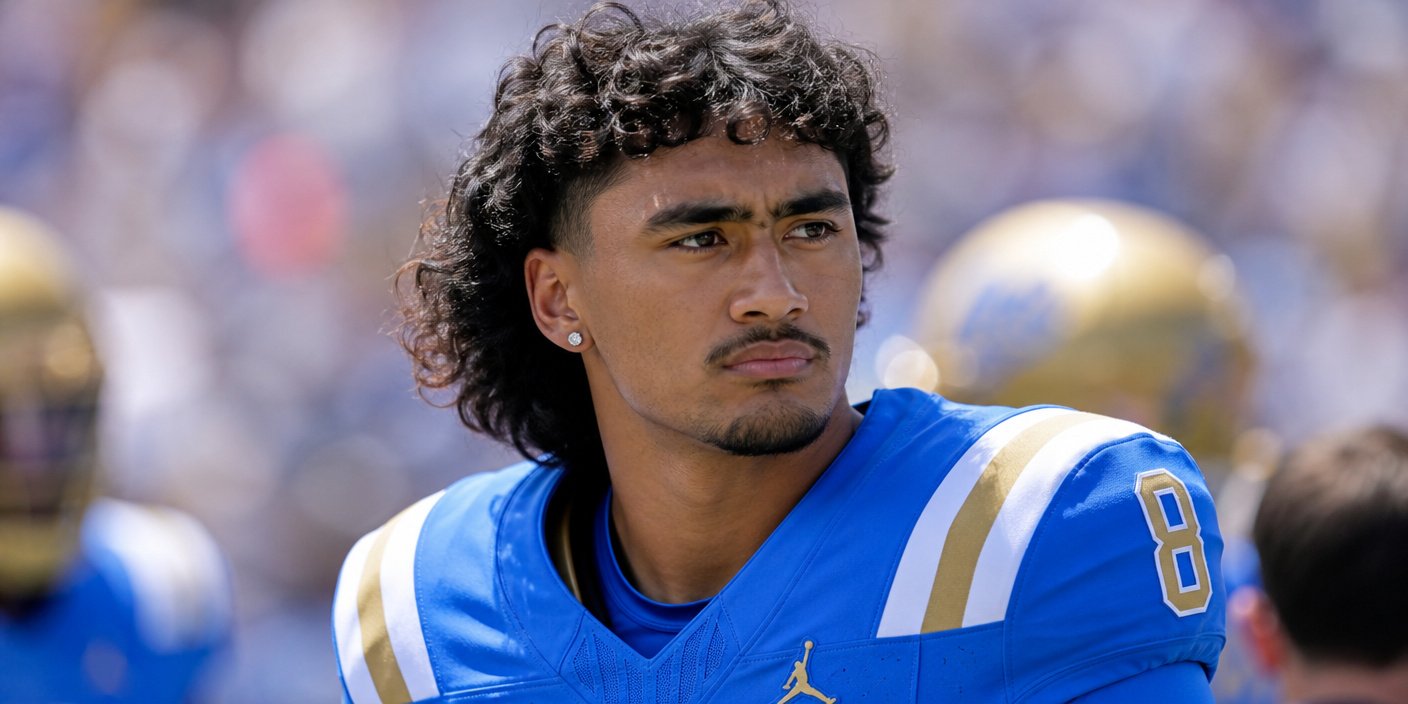
UCLA football fans received devastating news this week as the program confirmed that starting quarterback Nico Iamaleava will miss the remainder of the 2026 season. The standout signal-caller underwent successful knee surgery following an injury sustained during the Bruins’ hard-fought 17-15 victory over the Oregon Ducks on October 10. The loss of Iamaleava, who had become the focal point of the team’s offensive strategy, marks a significant turning point for UCLA as they navigate the remainder of a highly competitive Big Ten campaign.
Key Highlights
- Season-Ending Injury: Nico Iamaleava is confirmed out for the rest of the 2026 season following knee surgery.
- The Incident: The injury occurred during the Bruins’ 17-15 win against Oregon on October 10.
- Operational Shift: UCLA coaching staff must now pivot to an alternative signal-caller to maintain their momentum in the Big Ten standings.
- Medical Timeline: While the surgery was successful, the recovery protocol necessitates a full shutdown to ensure long-term health.
The Aftermath: Reshaping the Bruins’ 2026 Campaign
The injury to Nico Iamaleava is not merely a personnel loss; it is a fundamental shift in the tactical landscape for the UCLA Bruins. During the October 10 matchup against Oregon, Iamaleava had been instrumental in managing the tempo of the game, helping the team secure a narrow 17-15 victory that served as a signature moment for the program’s Big Ten transition. His absence forces a reconfiguration of the offensive playbook, which was heavily predicated on his specific skill set, including his mobility and decision-making under pressure.
Tactical Adjustments and Coaching Strategy
When a program loses a starting quarterback of Iamaleava’s caliber, the offensive coordinator is forced to simplify the scheme. Expect to see a shift toward a more conservative, run-heavy attack as the Bruins attempt to protect their backup options and maintain field position. The challenge for the coaching staff is twofold: they must identify which understudy can best manage the game-day pressure of the Big Ten environment while simultaneously maintaining team morale. The transition period is critical, and the upcoming weeks will involve heavy repetitions for the secondary and tertiary quarterbacks in practice environments that simulate high-stakes conference games.
The Anatomy of the Recovery
Sports medicine has evolved rapidly, but the reality of knee surgery remains consistent regarding the required downtime. For a collegiate quarterback, the knee is essential not just for mobility outside the pocket, but for the fundamental mechanics of the throwing motion. Weight transfer, torque generation, and stability are all rooted in the lower body. The medical staff at UCLA has emphasized a cautious approach. By ruling him out for the remainder of the 2026 season immediately, the program is prioritizing Iamaleava’s long-term career trajectory over any short-term desperation to force a return. This decision highlights the increasing emphasis on player welfare in modern collegiate athletics, moving away from the ‘toughing it out’ culture of the past toward evidence-based recovery protocols.
Big Ten Parity and Conference Impact
The Big Ten Conference is currently defined by razor-thin margins. The Bruins’ win over Oregon was a testament to the league’s defensive competitiveness. With Iamaleava sidelined, the calculus of the conference shifts. Opposing defenses will likely stack the box, testing the Bruins’ ability to complete high-percentage passes with an untested quarterback. This dynamic creates a secondary narrative: the emergence of the backup. Programs like UCLA are often defined by how they weather these storms. The remainder of the 2026 season becomes a proving ground not just for the players, but for the depth of the roster and the adaptability of the coaching staff. If the team can remain competitive, it speaks volumes about the recruiting and development pipeline established by the administration.
The Psychological Component for the Roster
Beyond the physical stats and play-calling, there is a psychological weight to losing a leader. Quarterbacks are the cultural centerpieces of a football team. Iamaleava’s presence in the huddle provided a sense of security and rhythm. His teammates must now coalesce around a new leader, which can sometimes lead to a ‘rally the troops’ effect. Historically, teams that lose a star player often tighten their defensive play, reducing unforced errors and controlling the clock. Whether the Bruins can replicate this cohesion will be the defining story of their late-season efforts. The goal for the remaining games is clear: keep the offensive machine moving, avoid catastrophic turnovers, and rely on the defensive unit to keep scores low, mirroring the successful formula that secured the win against Oregon.
FAQ: People Also Ask
Q: Who is the expected replacement for Nico Iamaleava for the rest of the 2026 season?
A: While the coaching staff has not made a public declaration of the permanent starter, the depth chart indicates that the backup quarterback is currently absorbing the majority of first-team reps in practice. The team is focusing on a ‘next man up’ philosophy to ensure operational continuity.
Q: Is there any chance of Iamaleava returning for a bowl game?
A: No. The medical staff and the program have confirmed he is out for the remainder of the 2026 season. The surgery and subsequent rehabilitation timeline are designed to ensure his health for the 2027 season, prioritizing his long-term recovery over any potential post-season appearances.
Q: How does this injury affect UCLA’s standing in the Big Ten?
A: UCLA’s standing will depend heavily on the defensive unit’s ability to maintain the level of play seen during the October 10 victory over Oregon. The offense will likely shift to a more conservative strategy, putting increased pressure on the run game and special teams to secure field position and minimize turnovers.


