Community tension reached a boiling point in Portland this week as parents, students, and educators converged to challenge the school district’s aggressive plan to address long-term enrollment declines. The proposal, which identifies up to 14 schools for potential closure or merger, has sparked a firestorm of debate regarding the future of public education in the region, pitting fiscal necessity against the deeply ingrained value of the neighborhood school model.
Key Highlights
- The Proposal: Portland Public Schools (PPS) is evaluating a district-wide “enrollment balancing” plan that could see up to 14 schools closed to address significant budgetary and capacity issues.
- The Enrollment Crisis: The district reports a decline of over 4,000 students since 2019, driven by demographic shifts, housing affordability, and post-pandemic trends.
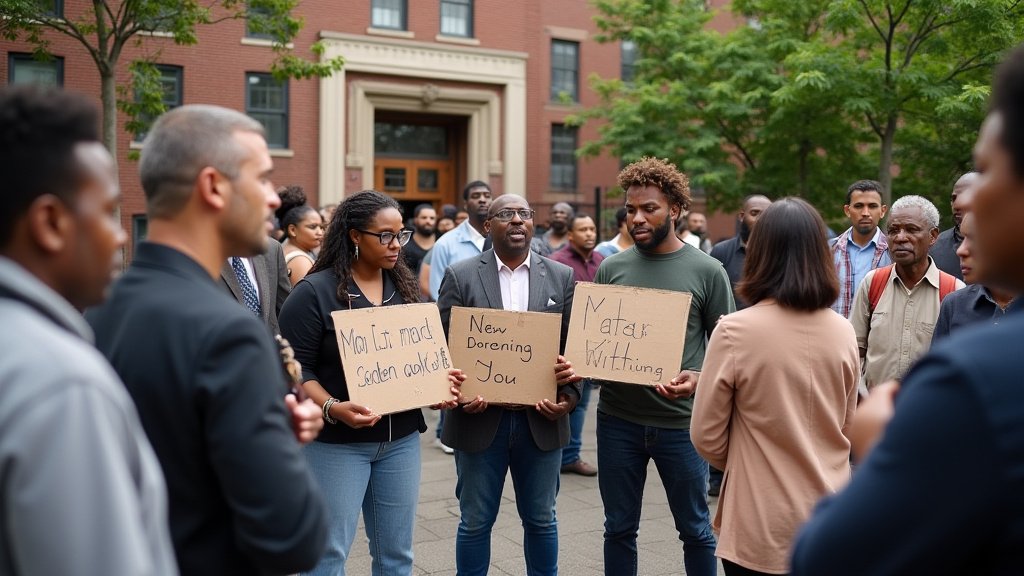
- Community Pushback: Thousands of stakeholders have signed petitions and attended school board meetings, demanding an immediate pause to the process to allow for more community input and impact analysis.
- Equity Concerns: Critics argue that school consolidation often disproportionately impacts lower-income neighborhoods and marginalized student populations, exacerbating existing equity gaps.
The Looming Closure Crisis: Analyzing the PPS Strategy
The current situation facing Portland Public Schools is a microcosm of a nationwide challenge: how do school districts manage physical infrastructure when the student body is shrinking? For the PPS administration, the numbers are stark. Since 2019, the district has seen its enrollment numbers drop by approximately 4,000 students. This reduction in the student body directly correlates to a reduction in state funding, which is tied to Average Daily Membership (ADM). Without adjusting their footprint, the district argues that resources are spread too thin, with schools operating at half capacity while essential services remain underfunded.
However, the district’s proposed “enrollment balancing” initiative—a bureaucratic term that masks the sensitive reality of shuttering 14 local campuses—has met with fierce resistance. At the heart of the community’s argument is the belief that a school is more than just a building where education happens; it is a civic anchor, a safe gathering place, and a critical component of neighborhood stability. When a school closes, residents argue, the community loses its heartbeat.
The Human Element: Why Neighborhood Schools Matter
For many Portland families, the potential closures represent a fundamental disruption of daily life. Parents are raising alarms about longer commute times for young children, the severance of long-standing community relationships, and the potential for larger class sizes in the receiving schools. Teachers, represented by the Portland Association of Teachers (PAT), have also voiced concerns about the lack of transparency in the district’s selection process. The pedagogical argument is clear: smaller schools often foster tighter-knit communities and provide more personalized attention for students who are already struggling with the aftermath of pandemic-era learning loss.
During recent town hall sessions, emotional testimonies highlighted that for many students, the school is the only constant in a life currently shaped by housing insecurity and economic instability. The psychological impact of losing one’s school—a “third place” outside of home and work—cannot be captured on a spreadsheet, yet it is this very factor that residents claim the administration has failed to adequately quantify.
Equity and Access: The Disproportionate Impact
Perhaps the most contentious aspect of the consolidation plan is the potential for unequal impact. Advocates for equity within the PPS system are scrutinizing the criteria used to select the 14 schools. Historically, school consolidation efforts in urban centers often fall hardest on schools in lower-income areas or schools with higher percentages of English language learners and students of color.
Community activists are demanding that the district publish a detailed equity impact statement before any final decisions are made. They are specifically asking: How will the closure of these 14 schools affect the commute times for the most vulnerable students? Will the receiving schools have the infrastructure—both physical and academic—to absorb the influx of new students without degrading the quality of instruction? The district’s current response, which emphasizes fiscal sustainability, is viewed by many as a “top-down” approach that ignores these nuanced social realities.
Looking Ahead: The Fiscal Path Forward
As the debate continues, the path forward remains murky. The PPS board is under immense pressure to balance the budget, with looming deficits threatening to derail core academic programs if the structural overhead of under-enrolled schools isn’t reduced. However, the intensity of the pushback suggests that a purely financial solution will not suffice.
One potential compromise being floated is a phased approach that slows down the consolidation timeline, allowing for a deeper “community-in-residence” period where local parents and stakeholders can help co-design the future of their district’s footprint. Whether the administration will pivot to this collaborative model remains the single biggest question for the current school year. For now, the rallying cry from Portland families is simple: Pause the process, study the human impact, and prioritize the community before the classroom doors are locked for good.
FAQ: People Also Ask
Q: Why are Portland schools facing closures right now?
A: PPS is facing a confluence of factors, primarily a decline of over 4,000 students since 2019. This drop has created budget shortfalls because public school funding is based on enrollment numbers, leaving the district with more physical space than it currently has students to fill.
Q: How many schools are actually on the closure list?
A: The district’s “enrollment balancing” proposal has identified up to 14 schools as candidates for potential closure, merger, or repurposing. This is an initial proposal, and the final list remains a subject of ongoing negotiation.
Q: What is the main argument against the closures?
A: Opponents, including the Portland Association of Teachers and concerned parent groups, argue that closures will destabilize neighborhoods, force children into longer commutes, create overcrowding in receiving schools, and disproportionately harm vulnerable or low-income populations.
Q: Has the district made a final decision?
A: No. The board has been met with significant public pushback, and the current state of the initiative is a demand for a pause to allow for more comprehensive community input and a clearer assessment of the social and equity-based impacts of such closures.