Tucked away along the dramatic sweep of the Oregon Coast, the diminutive town of Wheeler has evolved from a quiet logging and fishing village into an unlikely pilgrimage site for food travelers. While major coastal hubs like Cannon Beach and Seaside often dominate tourism metrics in Tillamook County, Wheeler is quietly commanding attention for a singular, potent reason: the region’s distinctively prepared smoked salmon. Travelers are now regularly logging hours behind the wheel, navigating the winding curves of Highway 101, specifically to source artisanal, small-batch smoked salmon that has earned a reputation for unmatched quality and freshness.
Key Highlights
- The Nehalem Bay Advantage: Wheeler’s geographical position on Nehalem Bay provides direct, immediate access to some of the Pacific Northwest’s most sustainable and fresh salmon runs, which are processed quickly to maintain peak quality.
- Culinary Tourism Shift: The influx of visitors represents a broader trend in Tillamook County, where travelers are prioritizing ‘authentic, hyper-local’ food experiences over traditional beach resort activities.
- Preservation of Method: Local producers in the Wheeler area utilize traditional alder-smoking techniques, distinct from industrial methods, creating a flavor profile that has become a competitive differentiator.
- Economic Ripple Effect: The town’s culinary reputation is revitalizing its local micro-economy, fostering a sustainable loop of visitors, local employment, and support for independent fisheries.
The Artistry of Alder-Smoke: Decoding Wheeler’s Culinary Appeal
For the uninitiated, the smokehouses and culinary outposts of Wheeler, Oregon, might look unassuming. However, to the discerning palate, the town represents a masterclass in the intersection of geography and gastronomy. Wheeler’s rise to prominence isn’t accidental; it is rooted in the unique interplay of its coastal environment and a steadfast commitment to traditional, small-batch production techniques that have all but vanished from industrial food supply chains.
The Geography of Freshness
Wheeler sits on the eastern shore of Nehalem Bay, an estuary that serves as a vital nursery for Pacific salmon species. Unlike large-scale, automated processing plants that rely on refrigerated transport to move fish from harvest sites to smoking facilities, the producers in Wheeler often operate on a “dock-to-smokehouse” model. This reduces the time between catch and cure, a critical factor in preserving the delicate protein structures and natural oils that define high-quality smoked salmon.
When fish is smoked within hours of being landed, the results are objectively different. The texture remains firm yet buttery, and the flavor profile is free from the “fishy” oxidation that often plagues supermarket-grade smoked salmon. This freshness is the primary driver behind the surge in food-motivated tourism. Travelers aren’t just driving to buy fish; they are driving to experience a sensory standard that cannot be replicated by frozen or mass-processed alternatives.
The Renaissance of Alder-Smoking
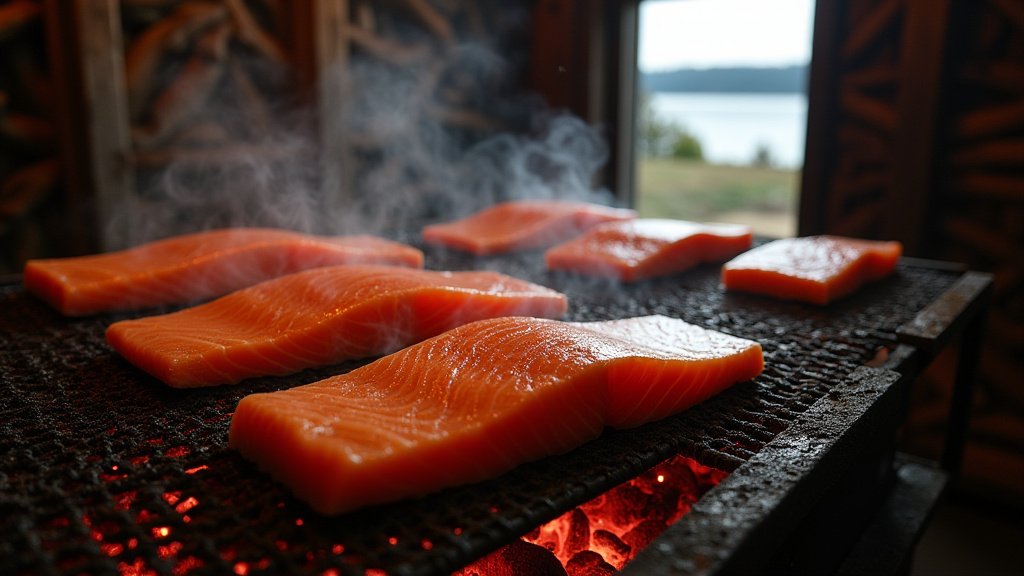
At the heart of the Wheeler culinary experience is the use of local alder wood for the smoking process. Alder, a hardwood native to the Pacific Northwest, burns clean and imparts a subtle, sweet, and nutty smoke flavor that complements, rather than overwhelms, the natural salinity of the salmon.
Many of the smaller smokehouses in the area have resisted the industry-wide shift toward liquid smoke or accelerated drying processes. Instead, they employ slow-curing methods that can last several days. This commitment to ‘slow food’ has become a defining entity of the region’s brand identity. In an era where many consumers feel disconnected from the source of their food, the transparency offered by these small-town producers—many of whom can describe the exact boat and harbor where the salmon was caught—creates a high level of trust. This trust is the commodity that is actually being sold alongside the fish.
Economic Transformation and Future Outlook
Historically, Tillamook County’s economy was anchored by the logging industry. As those industries contracted, the region faced the challenge of reinventing its economic base. The “Wheeler Model” suggests a potential blueprint for other coastal towns: leveraging a high-quality, local resource to create a destination experience.
Data from local chambers of commerce in the region indicate that culinary-focused travelers tend to stay longer and spend more per capita than the average “pass-through” tourist who stops only for gas or a quick walk on the beach. By fostering an ecosystem of high-end, locally sourced food, Wheeler has managed to extend its tourism season beyond the traditional summer peak.
Looking ahead, the challenge for Wheeler will be scaling this success without losing the very authenticity that drives it. There is significant pressure to increase production to meet demand, but doing so could risk the slow-curing processes that make the product superior. For now, the scarcity remains part of the appeal. The fact that the salmon sells out, or that visitors must arrive during specific hours to secure their stock, only reinforces the perceived value. As long as the supply of high-quality, local fish remains stable and the artisanal methods are protected, Wheeler is poised to remain a cornerstone of Oregon’s culinary tourism landscape.
FAQ: People Also Ask
Q: Is the smoked salmon in Wheeler available year-round?
A: While many smokehouses in the region operate throughout the year, the availability of fresh-run salmon depends heavily on local fishing seasons. Many shops offer frozen or vacuum-sealed products during the off-season, which are still highly regarded.
Q: Do I need to book my salmon in advance?
A: For large orders or holiday periods, contacting local smokehouses in advance is highly recommended. Because these operations are often small-batch, they can sell out during peak weekend travel times.
Q: How far is Wheeler from major Oregon cities?
A: Wheeler is approximately a two-hour drive from Portland, making it a popular and feasible day-trip or weekend getaway for residents of the Willamette Valley.
Q: Are there other food attractions in the area?
A: Yes, Wheeler and the surrounding Nehalem Bay area are becoming a hub for various artisanal goods, including fresh bay oysters, locally baked goods, and farm-to-table dining establishments that complement the salmon-focused offerings.