In a decisive move to address the surging temperatures, the City of Beaverton has officially opened after-hours cooling centers for residents starting Friday, August 14, and continuing through Tuesday, August 18. With the National Weather Service (NWS) issuing alerts for a significant heatwave set to push regional temperatures into the triple digits, city officials are prioritizing public health by providing climate-controlled environments for those without access to adequate air conditioning. This emergency deployment aims to mitigate the risks of heat-related illnesses in the Willamette Valley, where homes are not historically optimized for prolonged extreme heat.
Key Highlights
- Emergency Window: Cooling centers are operational from August 14 through August 18 to cover the peak duration of the heatwave.
- Public Access: The city has designated multiple accessible locations to serve residents, with specific focus on high-risk populations including the elderly and those experiencing housing instability.
- Health Directives: Officials strongly urge residents to limit outdoor activities during peak daylight hours (12:00 PM – 6:00 PM) and to stay hydrated.
- Monitoring: The Washington County Emergency Management team is actively monitoring the situation and may extend operational hours if temperature forecasts remain critical.
Safeguarding Beaverton: A Community Response to Extreme Heat
The Science of the Heatwave
The Pacific Northwest has witnessed a shifting climatic pattern over the last decade, characterized by more frequent and intense heat events. This week’s forecast is a stark reminder of these changing conditions. When temperatures consistently hit triple digits, the urban heat island effect—a phenomenon where urban centers retain significantly more heat than surrounding rural areas due to pavement, concrete, and building density—becomes a major threat. For Beaverton, this means that even after the sun sets, temperatures may not drop sufficiently to allow for safe cooling, creating a ‘nighttime heat risk’ that is particularly dangerous for vulnerable residents.
Municipal Infrastructure and Cooling Centers
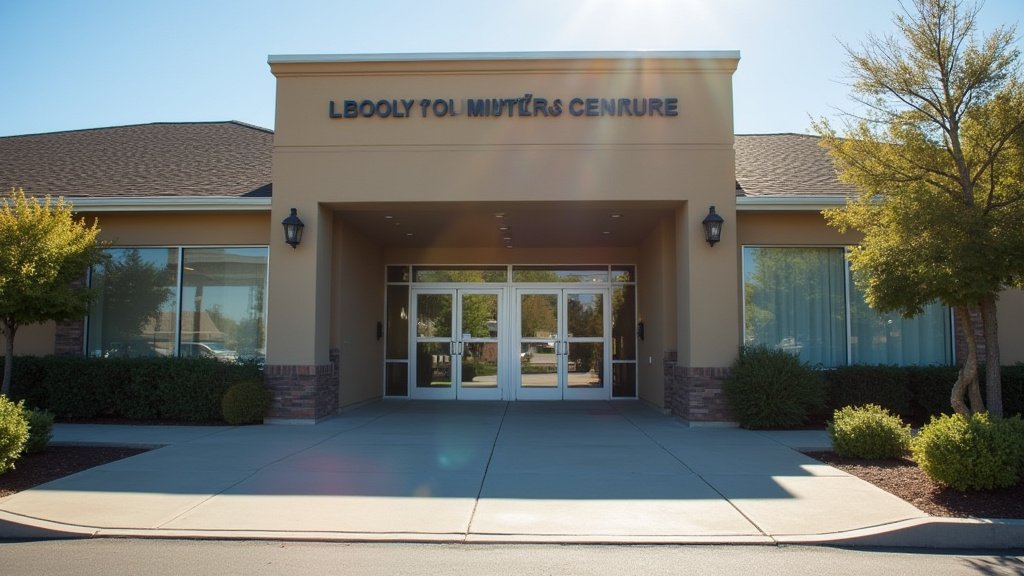
City officials, in collaboration with the Oregon Health Authority and Washington County Emergency Management, have orchestrated a coordinated response to ensure that cooling resources are not just available, but strategically placed. By utilizing existing public infrastructure—typically libraries, community centers, and designated municipal buildings—Beaverton is leveraging existing layouts to facilitate rapid deployment. These centers serve as ‘cool zones’ offering climate control, hydration stations, and in some cases, medical observation for those struggling with heat exhaustion.
The deployment of these centers is not merely a logistical convenience; it is a critical intervention. Heat exhaustion and heat stroke are time-sensitive medical emergencies. By establishing these centers, the city is effectively reducing the load on emergency services, allowing paramedics to focus on critical care cases rather than manageable hyperthermia events.
Economic and Infrastructure Implications
Beyond the human toll, prolonged heatwaves exert immense pressure on local infrastructure, specifically the electrical grid. As thousands of residents turn on air conditioning simultaneously, the demand on local utility providers spikes, increasing the risk of rolling brownouts or transformer failures. Businesses in the Beaverton area are encouraged to monitor their internal climate control systems and follow conservation guidelines to help maintain grid stability throughout the four-day window. Furthermore, local economic activity often slows during these events as outdoor-centric commerce is forced to pause, illustrating the ripple effect that environmental volatility has on the local economy.
Building Long-Term Resilience
While this week’s cooling centers provide an immediate solution, the City of Beaverton is increasingly looking toward long-term adaptation strategies. Urban planning initiatives currently under discussion include the expansion of the tree canopy to reduce street-level temperatures, the implementation of ‘cool roof’ mandates for new construction, and the development of a more robust, permanent network of community cooling infrastructure. The goal is to move from a reactive posture—where the city responds only when a crisis hits—to a proactive model that integrates climate resilience into the very fabric of municipal development.
Staying Safe: Essential Precautions for Residents
As the heatwave peaks, public health officials emphasize three critical safety behaviors:
1. Hydration is Mandatory: Do not wait until you are thirsty to drink water. Electrolyte replacement may be necessary for those working or exercising outdoors.
2. Check on Neighbors: Social isolation is a significant risk factor during heatwaves. Check on elderly neighbors or those living alone to ensure they are cool.
3. Identify the Symptoms: Know the signs of heat exhaustion (heavy sweating, cold, pale, and clammy skin) versus heat stroke (high body temperature above 103°F, hot, red, dry, or damp skin). If symptoms of heat stroke appear, call emergency services immediately.
FAQ: People Also Ask
Q: What are the exact hours of operation for the cooling centers?
A: While specific facility hours vary by location, the city recommends checking the official Washington County Emergency Management website or the City of Beaverton’s municipal portal for real-time updates on operating hours between August 14 and August 18.
Q: Are pets allowed in the cooling centers?
A: Most cooling centers have strict policies regarding animals. While service animals are generally permitted, residents are advised to contact the specific location ahead of time to clarify pet policies, as some centers may not have the capacity for non-service animals.
Q: Is there a cost to use the cooling centers?
A: No. These centers are public emergency resources provided by the City of Beaverton and Washington County. They are free to access for all residents during the duration of the heat advisory.
Q: What should I bring with me to a cooling center?
A: You should bring necessary medications, identification, and any personal comfort items like a book or charger. While hydration is provided, bringing your own water bottle is encouraged to streamline facility resources.