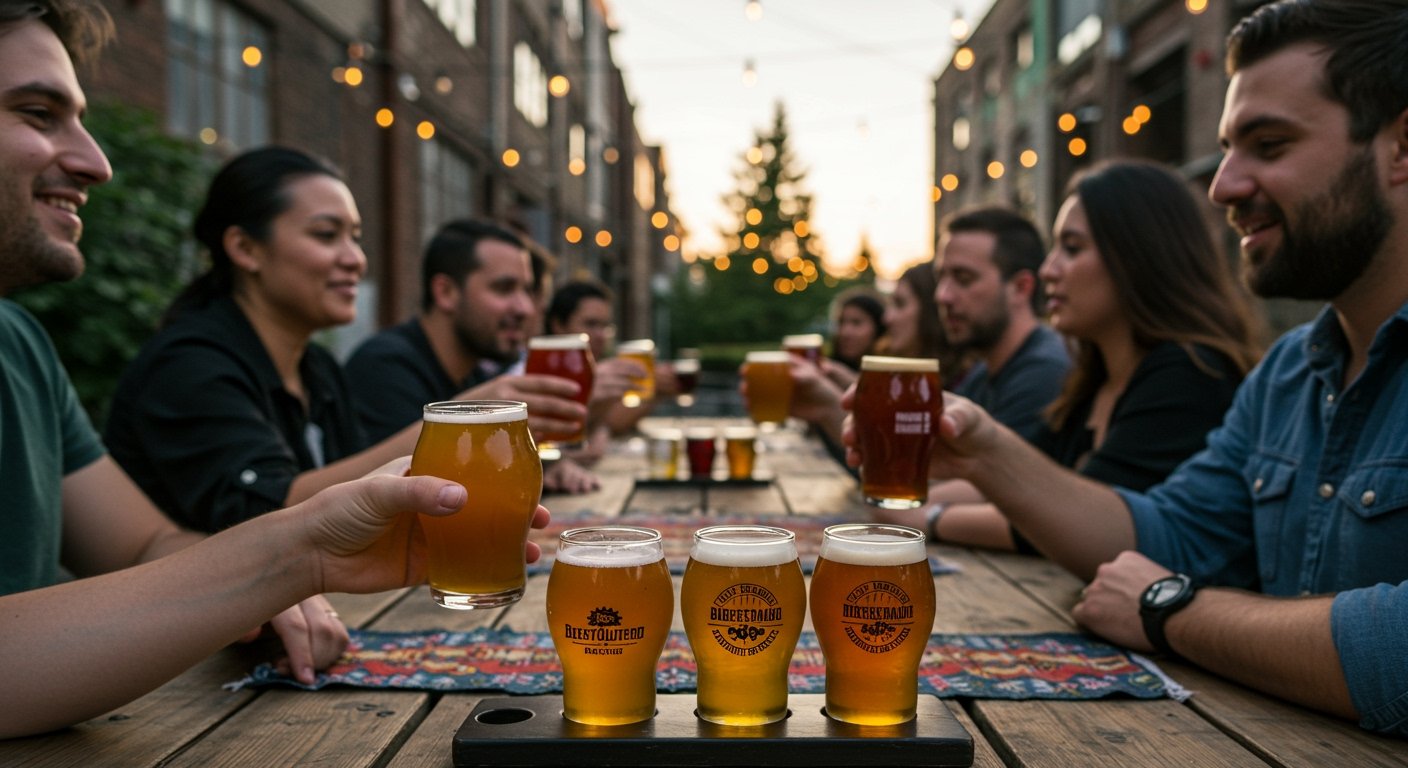
A seismic shift in federal enforcement is set for November 12, 2026, as a strict regulatory deadline looms that could fundamentally dismantle the burgeoning hemp-derived THC beverage industry. By reclassifying products exceeding a total container potency of 0.4mg of THC as marijuana, federal regulators are effectively creating a de facto prohibition on the “brewed-baked” drink market that has flourished in grocery stores, convenience chains, and liquor outlets across the United States. This policy, which aligns hemp-derived products with the stricter standards of the Controlled Substances Act (CSA), signals the end of the legal gray area that has allowed THC-infused sodas and sparkling waters to sit alongside non-alcoholic beer and kombucha.
Key Highlights
- The 0.4mg Threshold: As of November 12, 2026, any hemp-derived product containing more than 0.4mg of THC per container will be federally reclassified as marijuana.
- Retail Eviction: Mainstream retailers, including major grocery chains and liquor stores, are expected to pull non-compliant products to avoid the risk of selling a Schedule I controlled substance.
- The ‘Brewed-Baked’ Market Collapse: Current industry standards for THC beverages range from 5mg to 10mg per serving; the new cap effectively bans these standard products from the hemp market.
- Legal Exposure: Failure to comply places retailers and distributors in direct violation of the Controlled Substances Act, exposing businesses to severe legal, financial, and criminal liabilities.
The Regulatory Tipping Point: Redefining Hemp Potency
For nearly a decade, the 2018 Farm Bill provided the legal framework that allowed the hemp industry to expand aggressively. By focusing on the “delta-9 THC concentration by dry weight” (0.3% limit), manufacturers discovered they could create beverages that were technically hemp-derived but psychoactively significant. This “dry weight loophole” allowed a 12-ounce beverage to contain substantial amounts of THC while remaining legal because the THC represented a minuscule fraction of the overall liquid weight.
However, the upcoming November 12, 2026, mandate fundamentally rewrites the physics of compliance. Federal agencies are moving away from percentage-based metrics toward a “total container potency” standard of 0.4mg. In the world of cannabis regulation, this is a restrictive ceiling. To put this in perspective, a standard 5mg or 10mg THC soda—the industry standard for social sipping—contains roughly 12 to 25 times the amount of THC allowed under the new guidance. Manufacturers cannot simply “dilute” their way into compliance without creating beverages that are effectively devoid of the effects that consumers are paying for.
The Retail Fallout and Legal Liability
The consequences for the retail sector are immediate and severe. Big-box grocery chains, regional liquor stores, and convenience franchises operate under strict compliance protocols. When federal guidance shifts to categorize a product as a Schedule I substance, these retailers act quickly to de-list inventory to mitigate risk. Maintaining the sale of products that exceed the 0.4mg cap would force retailers to navigate the complex web of state marijuana licensing, which most standard grocery stores are not equipped to handle.
Retailers are currently preparing for a “clearing” period leading up to the November deadline. Expect to see significant markdowns on existing inventory as distributors scramble to move stock before the federal enforcement date turns their assets into contraband. The secondary market for these beverages is likely to evaporate, not because the demand has disappeared, but because the supply chain has been severed by federal regulatory intervention.
Economic and Industry Impact
The hemp-derived beverage sector has been the fastest-growing segment of the alternative cannabinoid market. Craft breweries and niche beverage makers pivoted to THC, seeing a lucrative future in the “cannabis-infused social drink” space. This deadline forces these businesses into a binary choice: either pivot to low-potency (less than 0.4mg) functional beverages, which may not satisfy their current customer base, or fully transition to the state-regulated marijuana market, which involves a prohibitively expensive licensing process and supply chain overhaul.
Industry organizations, including the Hemp Beverage Alliance, are reportedly lobbying for an extension or a re-evaluation of the 0.4mg limit, arguing that the standard was developed without sufficient data on the actual consumption habits of hemp-derived THC users. However, federal sentiment appears focused on curbing the accessibility of intoxicating cannabinoids in non-dispensary settings, viewing this as a matter of consumer safety and preventing youth access.
Historical Context: The End of the Farm Bill Loophole
The 2018 Farm Bill was intended to revitalize agriculture by encouraging hemp production for fiber and CBD oil. It was never intended to spawn a national market for recreational, hemp-derived THC drinks. Regulators and legislators have been signaling for years that the “Farm Bill loophole” was being exploited far beyond its original legislative intent. The November 12 deadline is the culmination of years of scrutiny from the DEA and the FDA, aiming to close the gap between hemp-derived cannabinoids and federally controlled marijuana. For investors and stakeholders, this represents a major correction in the “cannabinoid bubble” that has defined the last five years of venture capital investment in the space.
FAQ: People Also Ask
1. Does this deadline affect CBD products that have no THC?
Generally, no. The 0.4mg cap is specific to THC content. CBD products that are tested to ensure they do not exceed this trace amount of THC will remain legal under current guidance, though labels should be double-checked for purity.
2. Can retailers sell their existing stock after November 12, 2026?
No. The federal deadline functions as a enforcement date. Keeping non-compliant inventory on shelves after the date subjects the retailer to potential criminal and civil penalties under the Controlled Substances Act, regardless of when the product was purchased.
3. Will states ignore this federal mandate?
While states have their own laws, they cannot override federal drug scheduling. Even if a state permits hemp-derived drinks, the federal government’s classification as a Schedule I substance creates a legal risk that major retail chains, banks, and payment processors are unwilling to take. Federal law effectively sets the floor for risk management.