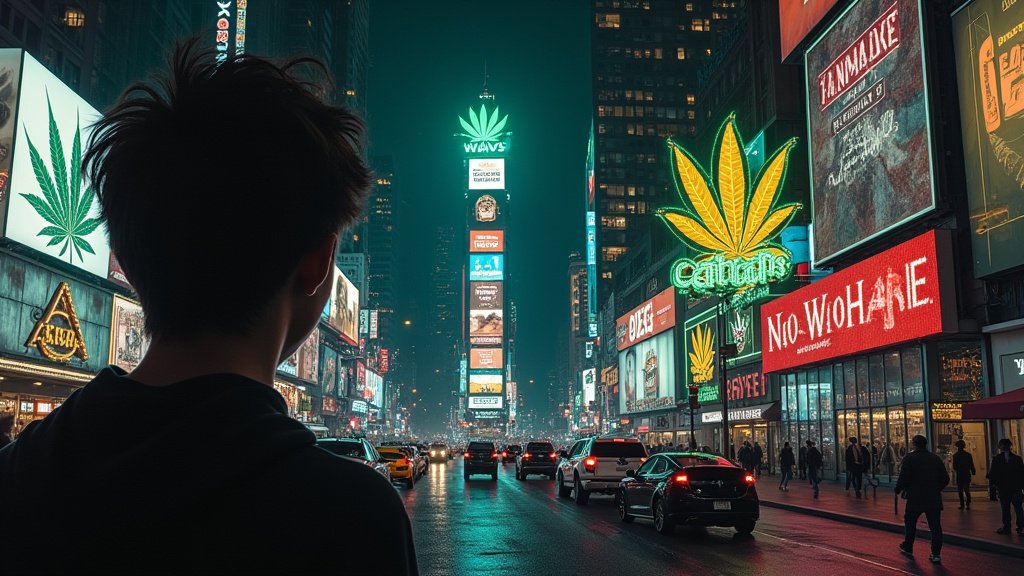
The White House has issued a stern warning regarding the escalating harms associated with the commercialization of marijuana, urging a re-evaluation of its widespread availability and marketing practices.
Key Highlights:
- Increased public health concerns due to aggressive marketing.
- Potential for greater youth exposure and use.
- Calls for stricter regulation and enforcement.
- Concerns over impaired driving and workplace safety.
The Escalating Concerns of Commercial Marijuana
The Biden-Harris Administration is sounding the alarm over the perceived negative consequences stemming from the burgeoning commercial marijuana industry. In a recent statement, the White House highlighted a growing body of evidence suggesting that the widespread availability and increasingly sophisticated marketing tactics employed by the industry are contributing to significant public health and safety issues across the nation. This proactive stance comes as more states move to legalize marijuana for both medical and recreational use, creating a complex regulatory landscape and prompting federal officials to reassess potential risks. The administration’s concerns appear to be rooted in a desire to protect vulnerable populations, particularly young people, while also addressing broader societal impacts.
The Public Health Nexus
One of the primary areas of focus for the White House is the potential impact on public health. Officials are particularly worried about the normalization of marijuana use, which they argue is being exacerbated by an industry that often mimics the marketing strategies of the alcohol and tobacco sectors. This includes the proliferation of high-potency products, appealing packaging, and pervasive advertising, some of which may not adequately convey the risks associated with consumption. Reports indicate a rise in marijuana-related emergency room visits and instances of cannabis use disorder, leading to a renewed call for robust public health interventions and clearer public messaging about the potential dangers. The administration is advocating for more rigorous research into the long-term health effects of marijuana use, especially concerning its impact on adolescent brain development and mental health.
Youth Exposure and Risk Mitigation
The accessibility of marijuana products, combined with marketing that can appeal to younger demographics, is a significant concern. The White House is emphasizing the need for stricter controls to prevent underage access and use. This includes advocating for enhanced enforcement of existing laws that prohibit the sale of marijuana to minors and exploring new strategies to curtail marketing that could inadvertently target or appeal to young people. The administration is also looking at the role of social media platforms in the promotion of marijuana products and the potential for influencer marketing to normalize or even encourage use among adolescents. Educational campaigns aimed at youth and parents about the risks of marijuana are being considered as part of a broader strategy to mitigate these harms.
Regulatory and Enforcement Challenges
The patchwork of state-by-state legalization has created a complex regulatory environment that federal officials find challenging to navigate. The White House is signaling a need for a more cohesive federal approach to regulating the commercial marijuana industry, potentially involving stricter guidelines on product safety, potency, labeling, and advertising. There are also concerns about the illicit market that continues to operate alongside the legal industry, often with fewer regulations and potentially more dangerous products. The administration is exploring ways to strengthen federal enforcement efforts and collaborate more effectively with state and local authorities to ensure that legal markets operate safely and compliantly, while also working to dismantle illegal operations.
Impaired Driving and Workplace Safety
Beyond direct health impacts, the White House has also raised concerns about the implications of increased marijuana use on public safety, particularly in relation to impaired driving and workplace safety. As marijuana becomes more accessible, there is a heightened worry about an increase in individuals driving under the influence of the substance, potentially leading to more traffic accidents and fatalities. Similarly, concerns are being raised about the impact on workplace productivity and safety, especially in safety-sensitive industries. The administration is likely to support initiatives aimed at developing better methods for detecting marijuana impairment and reinforcing policies that ensure safe working environments.
FAQ: People Also Ask
Q1: What specific harms is the White House concerned about regarding commercial marijuana?
A1: The White House is concerned about increased public health issues such as cannabis use disorder and emergency room visits, greater youth exposure due to aggressive marketing, the normalization of marijuana use, and potential increases in impaired driving and workplace safety incidents.
Q2: How does the White House propose to address these concerns?
A2: The administration is advocating for re-evaluation of commercial marijuana availability and marketing, stricter regulations, enhanced enforcement of laws preventing underage access, clearer public health messaging, more research into long-term health effects, and potentially a more cohesive federal approach to regulation.
Q3: What is the role of marketing in the White House’s concerns?
A3: The White House believes that aggressive marketing tactics, including appealing packaging and advertising that mimic the alcohol and tobacco industries, are normalizing marijuana use and potentially increasing exposure, especially among young people. They are concerned about marketing that may not adequately convey risks.
Q4: Does the White House support marijuana legalization?
A4: The White House’s current statements focus on the harms associated with the commercialization of marijuana and the need for stricter regulation, rather than taking an explicit stance on the legality of marijuana itself. Their focus is on mitigating the negative consequences of the growing industry.
Q5: What are the concerns regarding youth and marijuana?
A5: The primary concerns regarding youth are increased accessibility, exposure to marketing that may appeal to them, and potential negative impacts on adolescent brain development and mental health. The White House emphasizes the need for measures to prevent underage access and use.