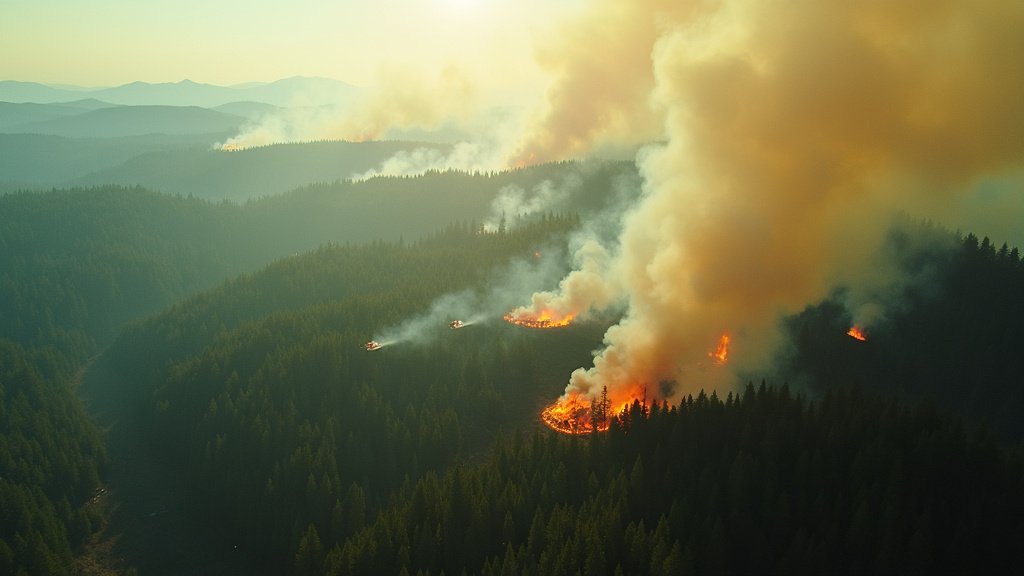
Summary Lead: Fire management officials are initiating a series of prescribed burns across the Pine Mountain area starting Tuesday, a critical effort aimed at reducing wildfire risk and enhancing forest health through controlled ignition of underbrush and flammable vegetation. This proactive measure is designed to create strategic fuel breaks and promote ecological restoration in a region prone to intense wildfire activity.
Key Highlights:
- Prescribed burning operations commence on Tuesday in the Pine Mountain area.
- The primary objective is to mitigate wildfire risk and improve forest ecosystem health.
- These controlled burns will target underbrush and accumulated flammable materials.
- Residents may observe smoke, and authorities advise monitoring air quality.
- The operations are conducted by trained professionals under specific weather conditions.
Controlled Fire for a Healthier Forest
Strategic Fuel Reduction
The upcoming prescribed burns in the Pine Mountain area represent a crucial component of a comprehensive wildfire management strategy. By deliberately igniting and controlling fires under specific environmental conditions – including wind speed, humidity, and fuel moisture – land managers aim to systematically remove excess vegetation that could fuel uncontrollable wildfires. This process mimics natural fire cycles, which are essential for the long-term health of many forest ecosystems, including those found in the Pine Mountain region. The controlled application of fire helps to reduce the intensity and spread of potential future wildfires, thereby protecting natural resources, private property, and human lives.
Ecological Benefits Beyond Fire Prevention
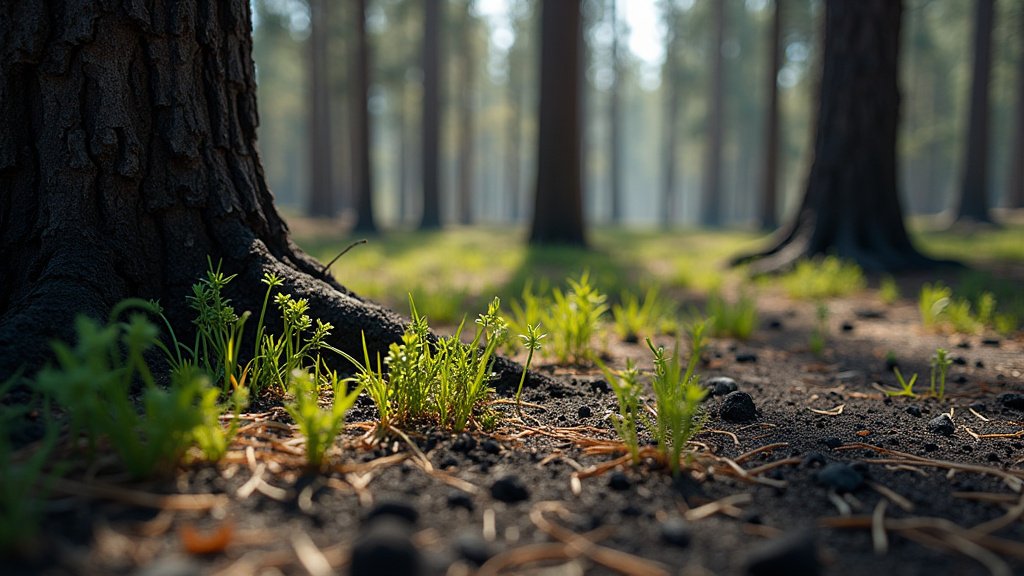
Beyond their immediate role in wildfire mitigation, prescribed burns offer significant ecological advantages. The removal of dense undergrowth and dead organic matter through controlled burning can stimulate the growth of native plant species, improve habitat for wildlife, and increase biodiversity. This managed approach helps to restore natural ecological processes that have been altered by decades of fire suppression. Forests that undergo regular, low-intensity fires tend to be more resilient to disease, insect infestations, and extreme weather events. The specific areas targeted for these burns have been carefully selected based on ecological assessments and the potential for positive environmental impact.
Community Impact and Air Quality Management
While prescribed burns are a vital land management tool, they can result in temporary smoke impacts for nearby communities. Fire management agencies work closely with air quality regulators to plan burns during periods when meteorological conditions are most favorable for smoke dispersal, typically when winds carry smoke away from populated areas and towards higher elevations. Residents in and around the Pine Mountain area may notice smoke during the operational periods. Officials advise individuals sensitive to smoke to take precautions, such as staying indoors with windows closed or using air purifiers. Information regarding the timing and location of burns, as well as potential smoke impacts, is usually communicated through local news outlets and official agency websites. The objective is to balance the benefits of prescribed fire with the need to minimize public health and nuisance issues.
Planning and Execution by Experts
These controlled burns are not undertaken lightly. They are meticulously planned and executed by certified wildland fire specialists who possess extensive knowledge of fire behavior, ecology, and safety protocols. Each prescribed burn plan includes detailed objectives, strategies for containment, contingency plans, and specific weather parameters that must be met for ignition to proceed. The operations involve teams of trained firefighters, specialized equipment, and constant monitoring to ensure the fire remains within its designated boundaries and achieves its intended goals. The use of techniques such as backfiring and burnout operations helps to secure control lines and manage fire progression effectively.
FAQ: People Also Ask
What is a prescribed burn?
A prescribed burn, also known as a controlled burn, is a fire intentionally set and managed by trained professionals under specific weather conditions to achieve land management objectives. These objectives often include reducing hazardous fuel loads, improving habitat for wildlife, restoring ecological health, and preventing destructive wildfires.
Why are prescribed burns necessary?
Prescribed burns are necessary to mimic natural fire cycles in ecosystems that have evolved with fire. Decades of fire suppression have led to an accumulation of dense undergrowth and dead vegetation, increasing the risk of severe, uncontrollable wildfires. Controlled burns help to reduce this fuel load, making forests more resilient.
How do authorities decide when and where to conduct prescribed burns?
Decisions are based on a complex set of factors, including weather conditions (wind, humidity, temperature), fuel moisture levels, ecological needs, smoke dispersal patterns, and resource availability (personnel and equipment). Detailed burn plans are developed and approved before any ignition occurs.
What should residents do if they see smoke from a prescribed burn?
Residents may notice smoke, especially during calm wind periods or when smoke is carried by prevailing winds. It is advisable for those sensitive to smoke to limit outdoor activity, keep windows and doors closed, and consider using air purifiers. Information on planned burns and potential smoke impacts is typically available from local fire management agencies.
Are prescribed burns dangerous?
While all fires carry some risk, prescribed burns are conducted under carefully controlled conditions by highly trained professionals. The goal is to keep the fire small and predictable. Contingency plans are in place to manage any unexpected fire behavior, making them significantly safer than unplanned wildfires.