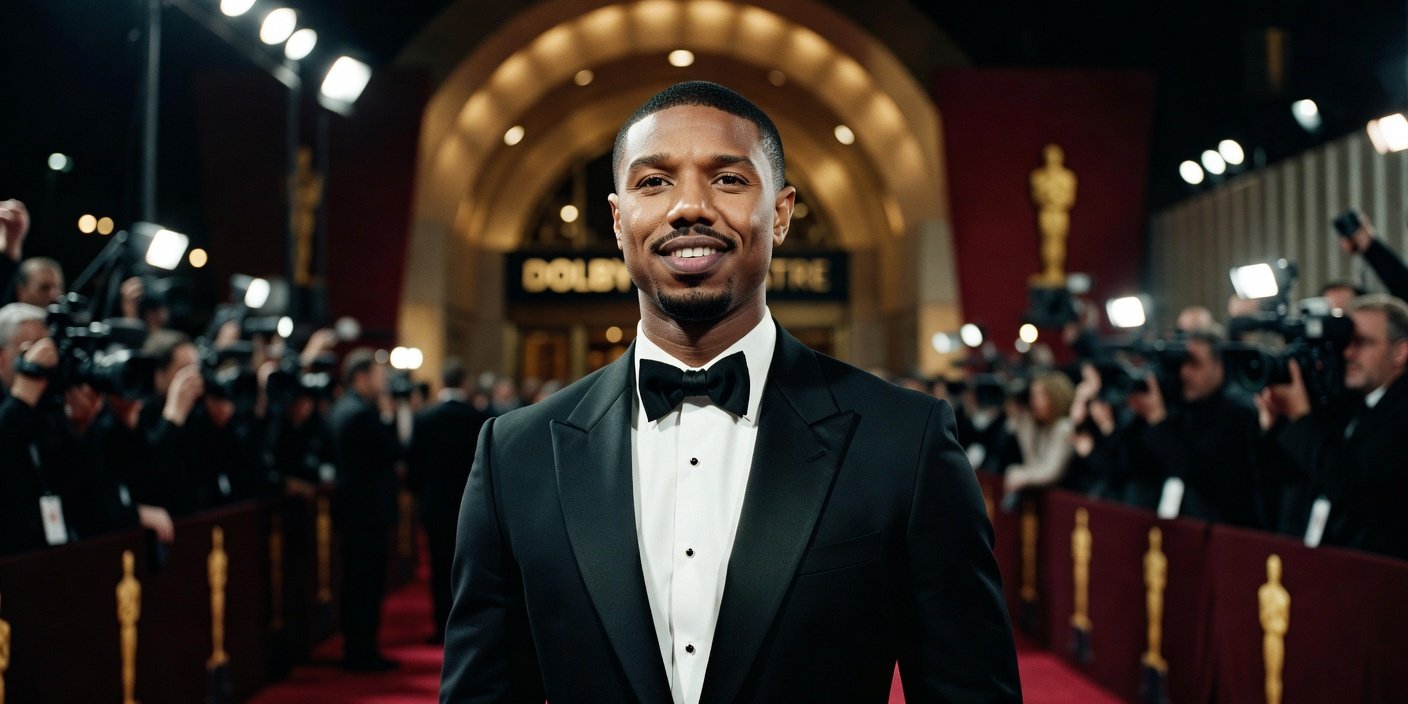
The 98th Academy Awards, held at the historic Dolby Theatre in Los Angeles, delivered one of the most consequential nights in modern film history. While the evening was a masterclass in tension and anticipation, the final results cemented a clear shift in Hollywood’s power dynamics. Paul Thomas Anderson’s sprawling political saga, One Battle After Another, dominated the ceremony, securing Best Picture and Best Director, while the acting categories provided long-overdue validation for two of the industry’s most dedicated performers: Michael B. Jordan and Jessie Buckley.
The Anderson Triumph: A Vision Rewarded
The victory of One Battle After Another was not merely an award for a single film, but an acknowledgment of a auteur at the height of his powers. Paul Thomas Anderson, a director long associated with ambitious, psychologically complex storytelling, finally captured the industry’s top prize after years of nominations. The film, described by critics as a ‘multigenerational saga of political resistance,’ was noted for its scale and its poignant, unflinching look at the fabric of American society.
The industry’s embrace of Anderson’s film underscores a preference for narrative weight over spectacle, despite the film’s significant budget and production design. It serves as a testament to the belief that original, director-driven visions can still command the attention of the Academy’s voting body. For Anderson, the win felt like a culmination of decades of craft, solidifying his legacy as one of the definitive directors of the 21st century.
The Jordan Milestone: A New Era for Leading Men
Perhaps the most emotional resonance of the evening came from the Best Actor category, where Michael B. Jordan secured his first Academy Award for his performance in Sinners. For years, Jordan has operated at the intersection of blockbuster stardom and intense character work, but this win signals a transition into a new echelon of critical acclaim.
Sinners itself was a titan of the 98th Oscars, entering the night with a historic 16 nominations. Jordan’s performance, described as raw and transformative, anchoring a genre-bending narrative, was the heartbeat of the film. His win is significant not only for his personal career trajectory but for the broader cultural conversation about the visibility and recognition of Black actors in central, dramatic roles. The standing ovation in the Dolby Theatre reflected a consensus that this was a moment long in the making—a coronation of an actor who has successfully navigated the complexities of Hollywood to find this peak.
Buckley’s Irish Breakthrough
Jessie Buckley’s Best Actress win for Hamnet was equally historic, marking her as the first Irish actress to win in the category. Her performance as Agnes Shakespeare was praised for its intensity, grief, and emotional dexterity. Critics highlighted her ability to command the screen with minimal dialogue, using physicality and expression to convey the insurmountable weight of maternal tragedy.
Buckley’s win reflects a trend of the Academy increasingly recognizing international talent and performances that rely on deep, character-driven subtext rather than traditional ‘prestige’ tropes. Her acceptance speech, which touched upon the ‘beautiful chaos’ of the creative process, resonated with the audience, highlighting the human toll and ultimate redemption that defined her character’s journey.
The State of the Industry: A Changing Academy
The 98th Academy Awards will be remembered for its willingness to diversify its winners and its genre-defying selections. The inclusion of Sinners as a record-breaker—a horror-adjacent film with social commentary—speaks volumes about the Academy’s evolving palate. There was a palpable shift in the air, a movement away from the safe, formulaic dramas of the past and toward films that challenge the status quo, both in content and in perspective.
Conan O’Brien, returning as host, expertly navigated the balance between ceremony and commentary. His monologue touched on the industry’s current anxieties—the integration of new technologies, the changing nature of the theatrical experience, and the global political climate—without overshadowing the winners. The ceremony moved with a brisk, efficient energy, perhaps a reaction to the bloat that has plagued previous broadcasts, ensuring that the focus remained on the craft.
The Technical Landscape
Beyond the acting and directing prizes, the 98th Oscars highlighted the technical genius required to pull off 2025’s biggest hits. With Sinners and One Battle After Another dividing the technical categories, the awards served as a reminder that the spectacle of cinema remains in good hands. From the innovative cinematography that captured the scope of Anderson’s vision to the haunting, atmospheric scores that underscored the tension in Buckley’s Hamnet, the below-the-line categories were fiercely contested and richly deserved.
As the industry looks toward the 99th Oscars, the conversation has already shifted. We are entering a phase where the definition of an ‘Oscar-worthy’ film is wider, more inclusive, and more experimental than it has ever been. The 98th Oscars weren’t just a ceremony; they were a roadmap for the future of cinema.