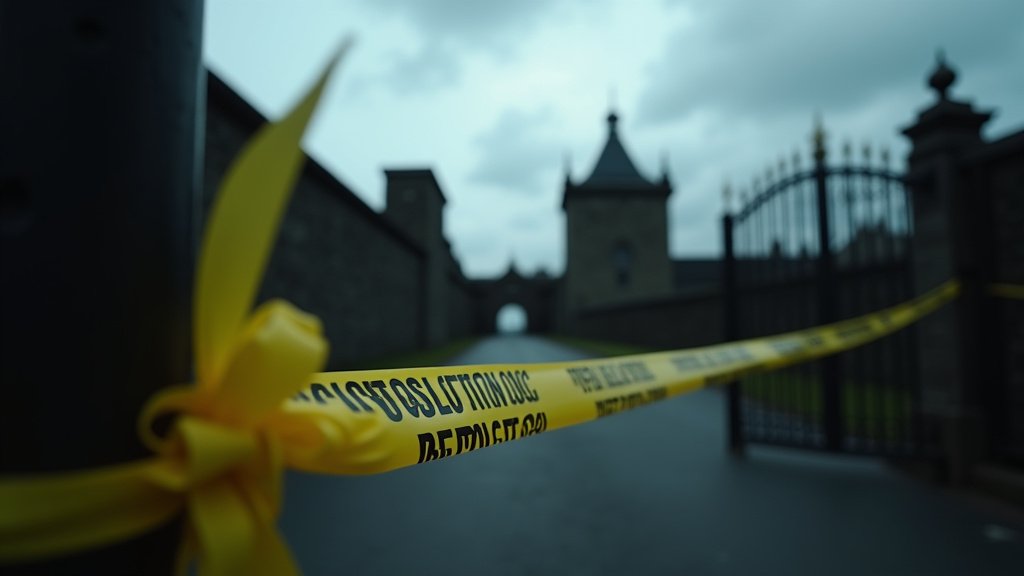
A devastating stampede at the historic Citadelle Laferrière in northern Haiti has claimed at least 25 lives, leaving the nation in mourning and prompting a formal investigation into the safety protocols at one of the country’s most cherished landmarks. The incident, which occurred during traditional festivities, has sent shockwaves through the region, raising urgent questions about public safety management at major tourist sites and historical monuments in Haiti.
- At Least 25 Dead: Authorities have confirmed a death toll of 25, with dozens more injured and requiring hospital care following the incident on Saturday, April 11, 2026.
- Crowd Control Failure: Initial reports point to severe overcrowding and a lack of adequate management as the primary triggers for the stampede, which occurred as visitors attempted to enter and exit the site.
- National Investigation: The Haitian National Police have launched a formal inquiry into the events, while the government has mobilized resources to support the affected families.
- Site Closure: The Citadelle Laferrière, a UNESCO World Heritage Site, has been closed to the public until further notice as the investigation continues.
A Nation in Mourning: The Citadelle Laferrière Tragedy
The Citadelle Laferrière, a sprawling, 19th-century mountaintop fortress, is typically a place of pride and national identity for Haitians. Built by Henri Christophe following the country’s independence, it represents the resilience of the Haitian people. However, on Saturday, April 11, 2026, the site became the setting for a catastrophe that has left the local community and the nation at large in a state of profound shock.
The Sequence of Events: A Holiday Turned Fatal
The incident took place during annual festivities that draw large crowds to the northern town of Milot. These gatherings are usually joyful, community-centered events that celebrate the historical significance of the fortress. However, as the day progressed, the number of visitors at the site swelled beyond manageable limits. Witnesses described a scene of chaos as, according to preliminary information, a situation of severe overcrowding developed.
Deficiencies in crowd management protocols reportedly led to a bottleneck at the entrance. As frustration mounted and the pressure of the crowd intensified, a scuffle broke out between those attempting to leave and those trying to enter. This friction, combined with the lack of clear, enforced exit and entry lanes, created the conditions for a deadly stampede. Panic ensued, leading to numerous cases of asphyxiation, severe trampling, and loss of consciousness. Emergency responders struggled to reach the victims due to the difficult terrain of the mountaintop location, complicating the rescue efforts in the immediate aftermath.
Investigating the Institutional Failures
The Haitian National Police have moved quickly to initiate an investigation into the exact causes of the incident. There is significant scrutiny being placed on the authorities responsible for managing the site, particularly regarding the lack of crowd control measures. In the hours following the tragedy, questions were raised about whether safety protocols were adequate for such a high-traffic event.
Some local media reports have suggested that rumors of police using tear gas to disperse the crowd may have contributed to the panic, although these claims remain unverified and are expected to be a key focus of the ongoing investigation. The government, represented by Prime Minister Alix Didier Fils-Aime, has publicly offered condolences to the affected families and urged the public to remain calm while authorities work to uncover the circumstances that led to this loss of life.
The Human Cost: Echoes of Personal Loss
Beyond the grim statistics, the tragedy has left behind families grappling with unimaginable loss. The human element of the disaster was highlighted by the story of Donaldson Jean, who spoke to the media about the loss of his sister. His account paints a heartbreaking picture of a young life cut short. His sister had visited the Citadelle as part of a school field trip, a reward for her diligent study habits and academic performance. She had worked tirelessly to earn her place in the “genius program,” and her death has devastated her family. Her story is a poignant reminder that behind the numbers reported in news briefings are real individuals with dreams, families, and futures that were suddenly and violently extinguished.
A Historical Landmark Under Scrutiny
The Citadelle Laferrière is not just a tourist attraction; it is a symbol of Haiti’s sovereignty and history. As the largest fortress in the Americas, it attracts visitors from across the globe. The tragedy forces a difficult conversation about the maintenance and safety standards of cultural heritage sites in developing nations. Balancing the need for historical preservation with the necessity of modern safety infrastructure is a challenge that many such sites face.
Moving forward, there will undoubtedly be calls for a complete overhaul of how visitors are managed at the Citadelle. This may include limiting the number of daily visitors, implementing better crowd control barriers, and increasing the number of trained security personnel on-site during peak periods. For now, however, the site remains closed, serving as a solemn monument to the lives lost in the shadow of its walls.
Broader Implications for Haitian Infrastructure
This incident also highlights the wider challenges facing Haiti’s tourism and public infrastructure. While the country possesses immense historical and cultural wealth, the ability to safely host large-scale events remains a critical gap. The reliance on legacy infrastructure, which was designed for military defense rather than modern pedestrian traffic, presents a unique set of risks.
As the nation navigates this tragedy, the focus will shift to how Haiti can modernize its approach to site management without compromising the integrity of its national treasures. The international community, which often engages in supporting Haiti’s cultural preservation efforts, may be called upon to provide technical expertise in disaster risk reduction and crowd safety management for historical landmarks.
FAQ: People Also Ask
- What is the Citadelle Laferrière?
It is a large 19th-century mountaintop fortress in northern Haiti, built by King Henri Christophe. It is a UNESCO World Heritage Site and a major symbol of Haitian history.
- What caused the stampede at the fortress?
Preliminary reports indicate the stampede was caused by severe overcrowding and failures in crowd management protocols during traditional festivities, leading to a fatal crush at the entrance.
- Is the Citadelle Laferrière currently open to the public?
No, the site has been closed to visitors by authorities until further notice to facilitate a thorough investigation into the tragedy.
- How is the Haitian government responding?
The government has launched a formal investigation, mobilized resources for the victims, and Prime Minister Alix Didier Fils-Aime has publicly extended condolences to the affected families.