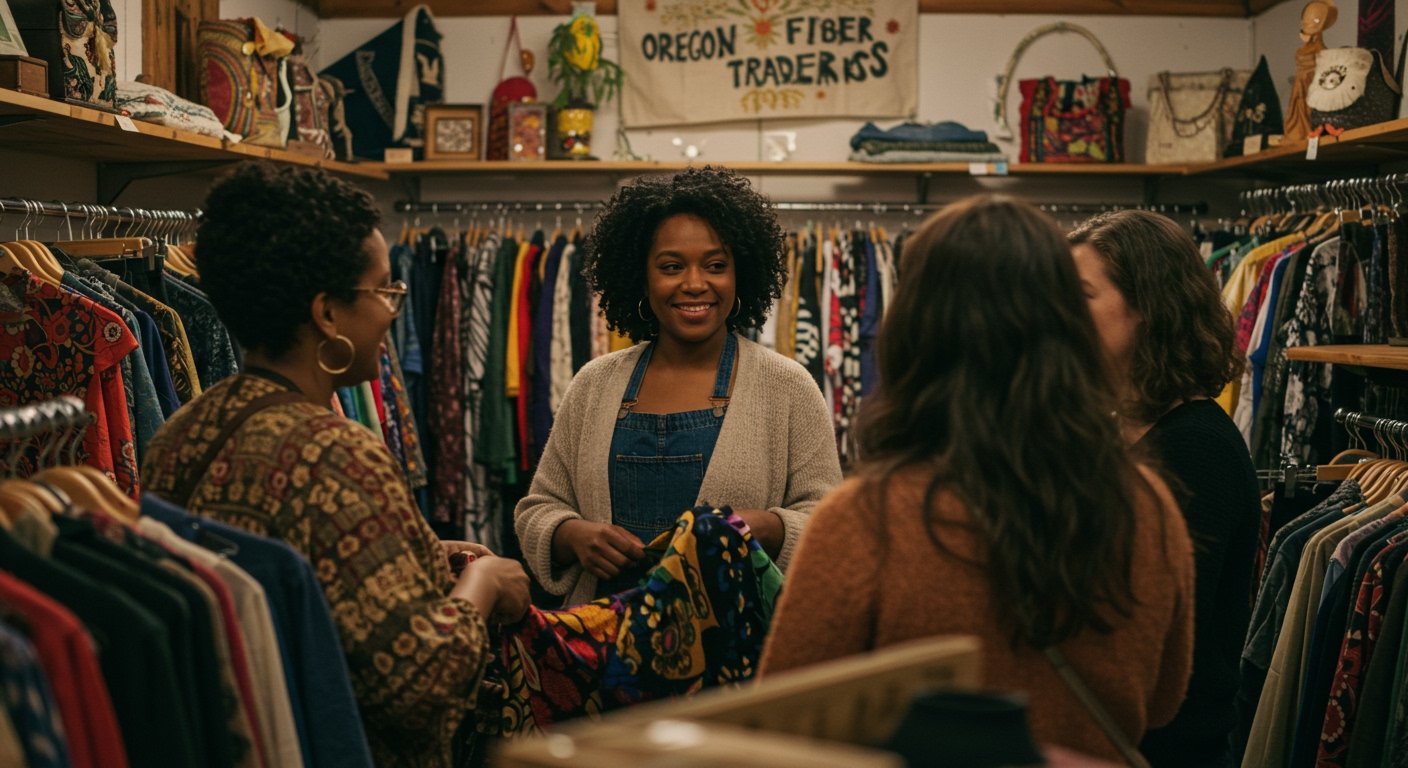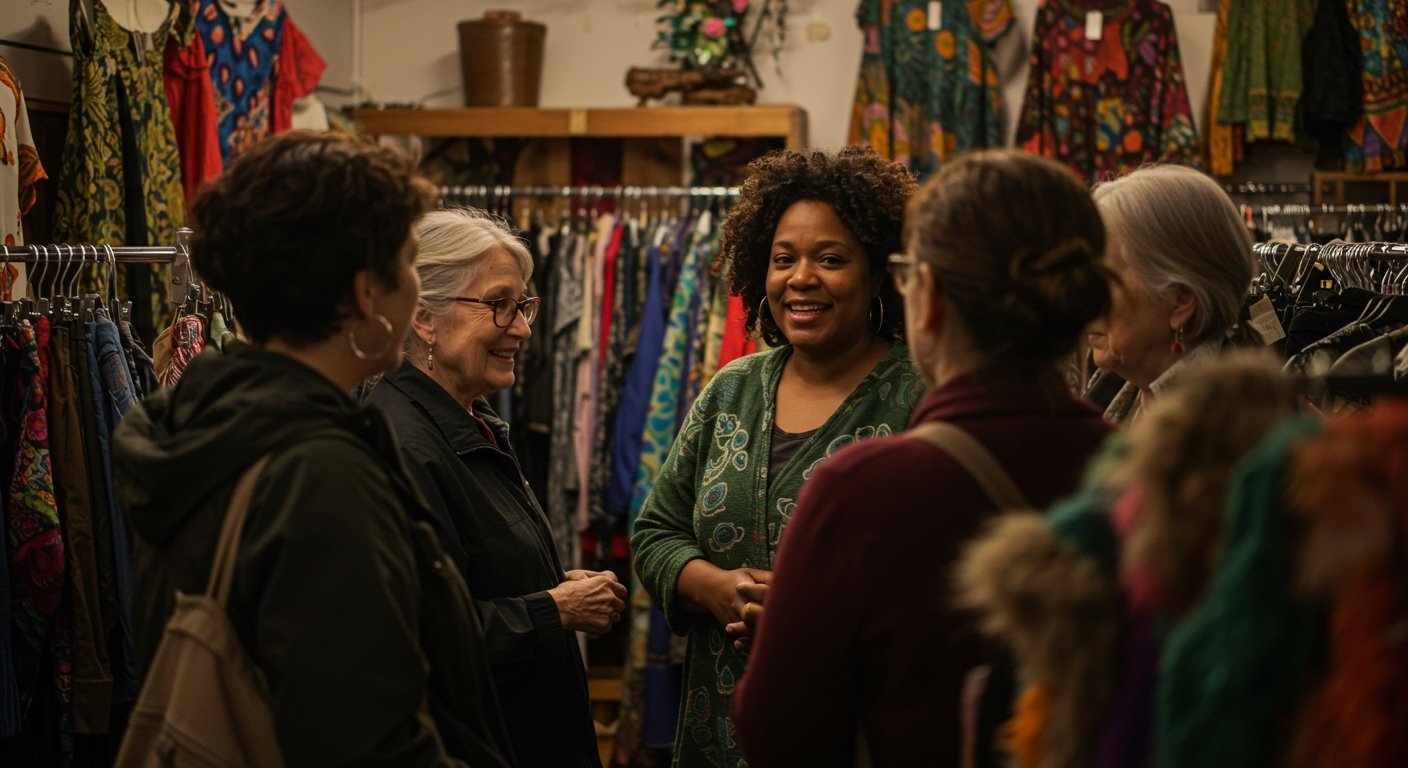
In the quiet hills of Ashland, Oregon, the intersection of high fashion and humanitarian aid has found a permanent runway. This past weekend, The HUB—a local institution known formally as the Hospice Unique Boutique—hosted its annual ‘HUB Couture’ Spring 2026 Fashion Show. While the world of global high fashion often prioritizes exclusivity and unreachable price points, this local showcase provided a masterclass in the power of conscious consumption, sustainability, and community resilience. The event, which drew a capacity crowd, transformed the concept of second-hand retail into a sophisticated, curated experience, proving that style, when paired with purpose, possesses an influence far beyond the gloss of a runway magazine.
Key Highlights
- Philanthropic Impact: The event served as a high-profile fundraiser for Celia’s House, a local hospice facility, demonstrating the tangible link between sustainable retail and community end-of-life care.
- Sustainable Luxury: The runway featured pieces sourced entirely from the boutique’s donations, emphasizing ‘upcycled’ and ‘thrifted’ aesthetics as the new frontier of modern, environmentally conscious fashion.
- Community Engagement: The show successfully bridged generational and economic gaps, bringing together local donors, fashion enthusiasts, and community volunteers to celebrate the art of the ‘hidden gem.’
- Seasonal Narrative: The Spring 2026 collection focused on ‘Resilient Renewal,’ utilizing spring palettes, florals, and repurposed textiles to mirror the hospice’s mission of finding beauty in every stage of life.
The Architecture of Conscience: Why HUB Couture Matters
To understand the significance of the HUB Couture event, one must look beyond the garments on the runway. The fashion industry is currently grappling with an identity crisis: the rise of ‘fast fashion’ has led to unprecedented waste, with millions of tons of textiles ending up in landfills annually. In this context, initiatives like HUB Couture act as a necessary counter-narrative. By curating a ‘high fashion’ show from thrifted inventory, the organizers are not merely putting on a play; they are challenging the consumption patterns of the modern consumer.
The Rise of Conscious Curation
At the heart of the event was the concept of ‘curation over creation.’ Rather than commissioning new garments, the design team at The HUB spent months sifting through community donations. This process requires a specific, sophisticated eye. The stylists looked for quality fabrics, classic cuts, and unique patterns that, when styled together, could create a coherent, runway-worthy narrative. This is the antithesis of the mass-produced aesthetic. It champions the individual piece, the story behind the garment, and the permanence of quality craftsmanship.
Furthermore, the event’s success suggests a shifting cultural tide. Attendees were not looking for the newest luxury label; they were looking for an experience that felt authentic. The ‘Spring 2026’ theme was not just a calendar marker; it was a conceptual exploration of growth. The stylists juxtaposed vintage structured blazers with floral silks from the 90s, creating a look that felt both nostalgic and forward-thinking. This approach suggests that the future of fashion may lie in the archives of our own communities.
Hospice Care as a Fashion Foundation
Rarely do we associate death and end-of-life care with the glamour of a fashion show. Yet, the symbiosis between The HUB and Celia’s House is a profound example of how social services can be supported through non-traditional avenues. By elevating the profile of the boutique through a high-energy, curated event, the organization attracts a younger, more design-conscious demographic that might not otherwise engage with hospice-related philanthropy.
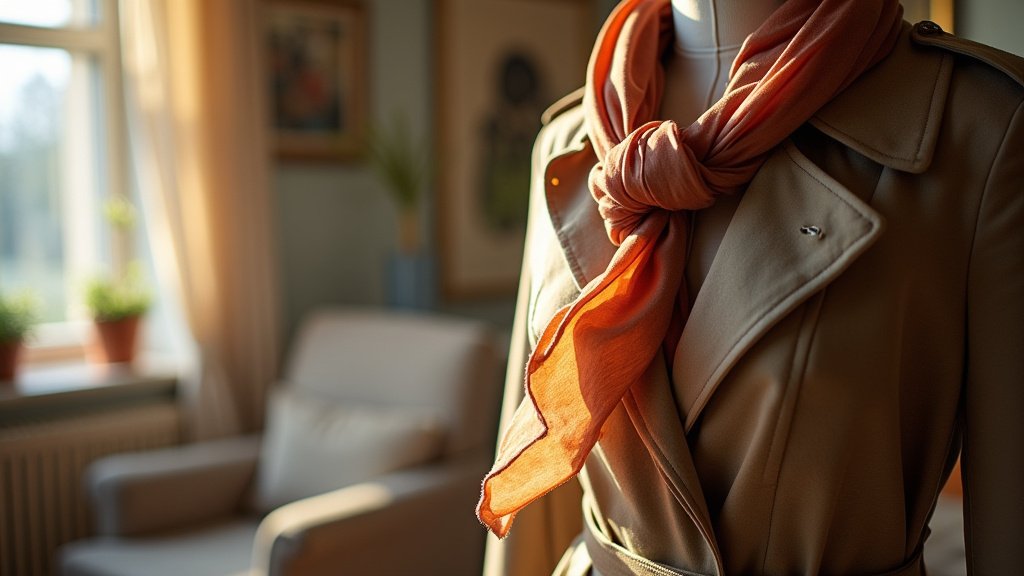
This funding model is essential in a climate where non-profit organizations face increasing budgetary pressures. By ‘selling’ the lifestyle of the boutique—the thrill of the find, the joy of the style—the event generates revenue that directly supports the comfort and care provided at Celia’s House. It transforms the act of shopping into an act of compassion. When a patron purchases a scarf or a vintage trench coat at The HUB, they are not just acquiring an accessory; they are contributing to a network of care that serves the most vulnerable members of the community.
The Aesthetics of Sustainability
From a visual standpoint, the 2026 collection was a triumph of styling. The runway did not rely on the shock value often associated with avant-garde fashion weeks in Paris or Milan. Instead, it focused on wearability and elegance. The textures were varied—denim, lace, wool, and heavy cottons were layered to create depth.
One standout section of the show, titled ‘The Renewal,’ utilized natural earth tones—deep moss greens, terracotta, and soft yellows—to reflect the Oregon spring. These were paired with bold, modern accessories, creating a look that was decidedly ‘now.’ This ability to see the potential in discarded items is an artistic skill. It requires the stylist to envision the garment not as it is, but as it could be when paired with a different silhouette. In an era of digital mass consumption, this tactile, hands-on approach to fashion is incredibly grounding.
Economic Implications and Future Trends
Economically, the model pioneered by The HUB offers a blueprint for other non-profit entities. In a tough economy, charitable organizations must diversify their revenue streams. By treating their retail arm as a high-end fashion boutique rather than a ‘thrift shop,’ they increase the average transaction value and broaden their customer base. This ’boutique-ification’ of charity shops is a trend observed globally, from urban centers in London to community hubs in the Pacific Northwest.
Moving forward, we can expect to see more of these ‘pop-up’ runway events that combine local commerce with social mission. They provide community identity in an increasingly digital and globalized world. When we shop local, and when we shop for a cause, the social fabric of the town is strengthened. The HUB Couture show is a testament to the fact that you do not need the resources of a global conglomerate to host a world-class fashion event; you only need a clear mission, a community that cares, and a sharp eye for style.
As the Spring 2026 season continues, the lessons from this Ashland event remain clear: sustainable fashion is not a trend; it is a necessity, and when fused with the deep, human needs of hospice care, it becomes a powerful, undeniable force for good.
FAQ: People Also Ask
1. What is the mission of ‘The HUB – Hospice Unique Boutique’?
The HUB functions as a sustainable retail space and community partner dedicated to generating consistent funding for Celia’s House, a specialized hospice facility. Their mission is to provide compassionate care through the proceeds generated by their curated second-hand sales.
2. Is HUB Couture a professional fashion label?
No, ‘HUB Couture’ is not a fashion house but a curated event brand organized by The HUB. The ‘collection’ showcased on the runway is composed of high-quality, pre-loved items donated to the boutique, styled into a runway show to highlight the potential of sustainable fashion.
3. How does the event support the local community?
Beyond raising direct funds for hospice services, the event serves as a community gathering point that promotes environmental stewardship by discouraging fast-fashion consumption. It highlights local volunteerism and encourages a circular economy where high-quality goods remain in circulation rather than entering landfills.