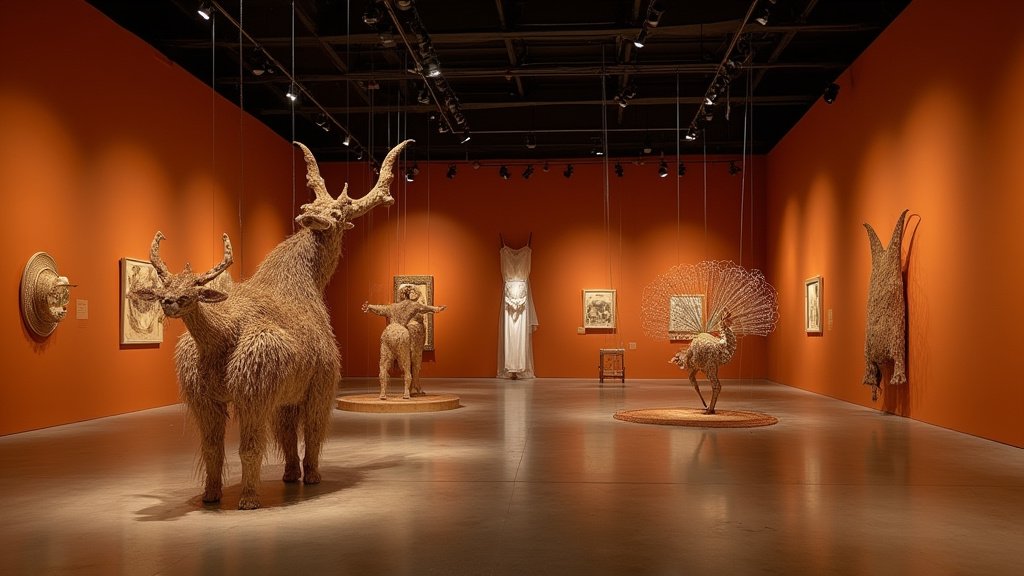
Portland’s creative landscape shifted this week as local institution HairSpiracy unveiled ‘The Hair Collection,’ a groundbreaking exhibition dedicated to the artistry, cultural significance, and historical narrative of Black hair. By bridging the gap between professional hair styling and high-concept gallery art, the event challenges traditional perceptions of hair as merely aesthetic, positioning it instead as a vital component of identity and a living chronicle of African American history.
Hair as a Historical Narrative
At the core of ‘The Hair Collection’ is the philosophy that hair is a canvas for storytelling. The exhibition features a series of intricate installations and live demonstrations that trace the evolution of styles—from ancient braiding techniques to the natural hair movement of the modern era. Each piece displayed acts as a tactile artifact, reminding attendees that for centuries, Black hair has been used as a silent language of resistance, pride, and community connection. The curators emphasize that while styles have shifted with the decades, the cultural weight carried by these expressions remains a constant force.
Bridging Community and Artistic Expression
Beyond the visuals, the event serves as a community hub, inviting dialogue on the social implications of hair discrimination and the triumph of self-expression. By hosting this within a gallery-style framework, HairSpiracy is effectively professionalizing the craft of Black hair styling, advocating for its recognition alongside traditional fine arts. The event draws a diverse crowd, ranging from art enthusiasts and historians to local community members, fostering a collaborative atmosphere that highlights the resilience embedded in creative self-presentation.
The Future of Cultural Curation
As the exhibition continues to draw crowds, the impact of such displays in regional arts scenes becomes increasingly apparent. ‘The Hair Collection’ isn’t just about technical precision in styling; it is an advocacy project aimed at legitimizing Black hair art as a subject of academic and artistic study. By anchoring this project in Portland, HairSpiracy is setting a precedent for how cultural institutions can engage with lived experiences, proving that the most profound stories are often found on the very people telling them. The organizers hope this initiative encourages other regions to curate similar exhibits, ensuring that the legacy of Black hair is documented, respected, and celebrated as the masterpiece of culture that it truly is.