Key Takeaways
- The war with Iran has entered its third week, with escalating conflict and significant global repercussions.
- Iran’s effective closure of the Strait of Hormuz is severely impacting global oil supplies, leading to surging oil and gas prices worldwide.
- The United States has increased its military presence in the Middle East, deploying thousands of additional troops and Marines.
- US casualties in the conflict have reached 13 service members killed, with six recently identified from a refueling plane crash in Iraq.
- President Trump is seeking international support to reopen the Strait of Hormuz and has stated he is not ready to make a deal with Iran.
- Diplomatic tensions remain high, with Iran continuing retaliatory attacks and allies like China and Russia reportedly cooperating with Iran.
Summary Lead
The war between the United States and Iran has escalated significantly in its third week, marked by Iran’s continued blockade of the Strait of Hormuz, which has crippled global oil supplies and sent prices soaring. The US, in response, has deployed additional forces to the Middle East, while grappling with mounting casualties. President Trump is actively seeking international assistance to reopen the vital waterway, emphasizing that negotiations with Iran are not yet on the table.
The Deep Dive
Escalating Conflict and Global Impact
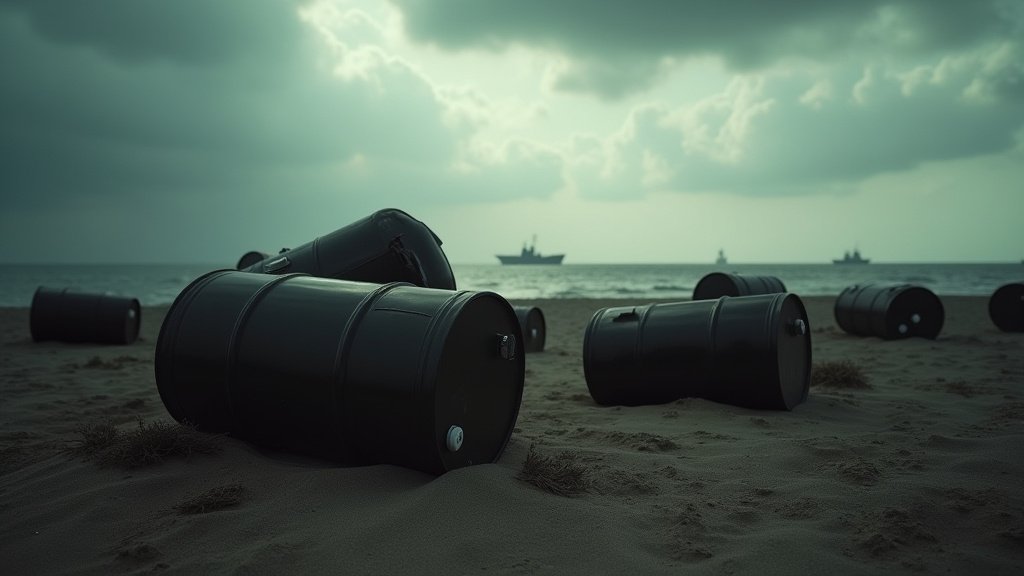
As the war with Iran enters its third week, the conflict shows no signs of de-escalation. Iran’s strategic move to effectively close the Strait of Hormuz, a critical chokepoint for global oil transport, has sent shockwaves across the world economy. At least 16 oil tankers and other vessels have been crippled by the blockade, leading to a drastic increase in oil and gas prices, with forecasts suggesting further hikes could reach $200 a barrel. This disruption is not only impacting consumers at the pump but also affecting the cost of groceries and airfare, compounding economic anxieties. The global supply chain is facing significant disruptions, with predictions that it could take weeks or months to restore the flow of oil.
US Military Response and Casualties
In response to the escalating conflict and the blockade of the Strait of Hormuz, the US has significantly increased its military presence in the Middle East. Thousands of additional US troops are being deployed, including 2,200 Marines aboard three Navy amphibious ships, forming a quick reaction force. The Pentagon has confirmed that US strikes have degraded Iran’s missile capacity by 90% and drone capability by 95%. However, this increased military action comes at a tragic cost. The US death toll has risen to 13 service members. Six airmen were recently identified as having died when their refueling plane crashed in western Iraq, an incident that is still under investigation but has been ruled out as hostile or friendly fire. The names of these fallen service members have been released, with many being young individuals with families.
Diplomatic Maneuvering and International Relations
President Trump is actively engaged in diplomatic efforts to address the crisis. He has called upon US allies to provide military support to help reopen the Strait of Hormuz, reportedly speaking with “about seven” countries. However, the president has also stated he is not ready to make a deal with Iran, as the terms are not considered favorable. Meanwhile, Iran’s foreign minister has indicated continued military cooperation with China and Russia. Despite US claims of decimating Iranian military targets, Iran continues its retaliatory attacks, including strikes on US interests in Iraq, prompting the US Embassy to urge American citizens to leave the country. The war’s impact is also being felt domestically, with concerns about the government shutdown affecting TSA operations and leading to long airport lines.
Economic Fallout and Future Projections
The economic ramifications of the conflict are severe and widespread. The surge in oil prices is a direct consequence of Iran’s blockade of the Strait of Hormuz. Analysts predict that higher energy prices could persist for weeks, impacting not only fuel costs but also the prices of goods and services globally. The disruption to global supply chains is a major concern, with potential long-term effects on international trade. The US is tapping its strategic petroleum reserve to mitigate some of the impact, but the situation remains volatile.
Broader Geopolitical Context
The war in Iran is not occurring in isolation. The conflict has implications for regional stability and international alliances. There are concerns that the US focus on the Iran conflict is stretching its military resources thin, potentially leaving interests vulnerable elsewhere, such as in Ukraine, where Russia may be benefiting from the increased oil prices. The conflict also raises questions about the long-term strategy and effectiveness of US foreign policy in the region, particularly given the ongoing human cost and the potential for a hardened Iranian regime with support from Russia and China.
FAQ: People Also Ask
What is the current status of the war with Iran?
The war with Iran has entered its third week and is marked by escalating conflict, with Iran effectively blocking the Strait of Hormuz, leading to global oil price surges and increased US military deployment in the Middle East.
What are the economic consequences of Iran’s blockade of the Strait of Hormuz?
Iran’s blockade has crippled global oil supplies, causing oil and gas prices to skyrocket and disrupting supply chains worldwide. This is leading to increased costs for consumers, affecting everything from fuel to groceries and airfare.
What is the US military doing in response to the conflict?
The US has increased its military presence in the Middle East, deploying thousands of additional troops and Marines. US strikes have significantly reduced Iran’s missile and drone capabilities, but the conflict has also resulted in US casualties.