Spring is in full bloom across the tri-city region of Lake Oswego, West Linn, and Wilsonville, as local landscapes burst with color significantly earlier than in previous years. Following a notably mild winter, the Willamette Valley is experiencing a premature awakening, with botanical life accelerating across neighborhood streets, city parks, and private garden beds. This shift has not only brightened the local aesthetic but has also served as a catalyst for community engagement as residents embrace the early arrival of warmer weather.
Botanical Surge Across the Tri-Cities
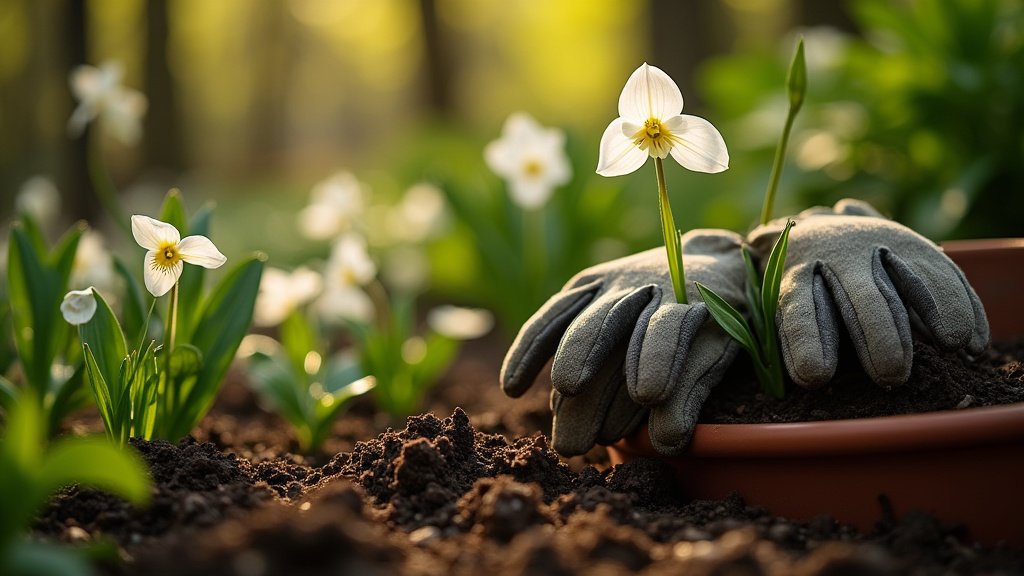
The botanical display is widespread, with various species hitting peak bloom ahead of their traditional schedules. In Lake Oswego, the cherry blossoms at Sundeleaf Plaza have already drawn significant attention, creating a picturesque scene for commuters and families alike. Meanwhile, in the nature areas surrounding West Linn, such as the trails near Trillium Creek, native Western White Trillium and various flowering shrubs are beginning to dominate the understory. The early onset of growth is providing critical support to local pollinators, with red-flowering currants offering a vital nectar source for early-season hummingbirds and butterflies.
The Impact on Local Gardening
For many residents in Wilsonville and the surrounding communities, this early display is a clarion call to begin seasonal landscape maintenance. According to guidelines provided by the Oregon State University Extension Service, this period is critical for setting the stage for a healthy growing season. Experts recommend incorporating compost or high-quality organic matter into garden beds now to bolster soil structure and provide the nutrients necessary for the intensive growth phase. Furthermore, the application of mulch remains one of the most effective strategies for retaining soil moisture and suppressing weeds, ensuring that the current vibrant display is merely the prelude to a flourishing summer landscape.
Community Flourishing and Placemaking
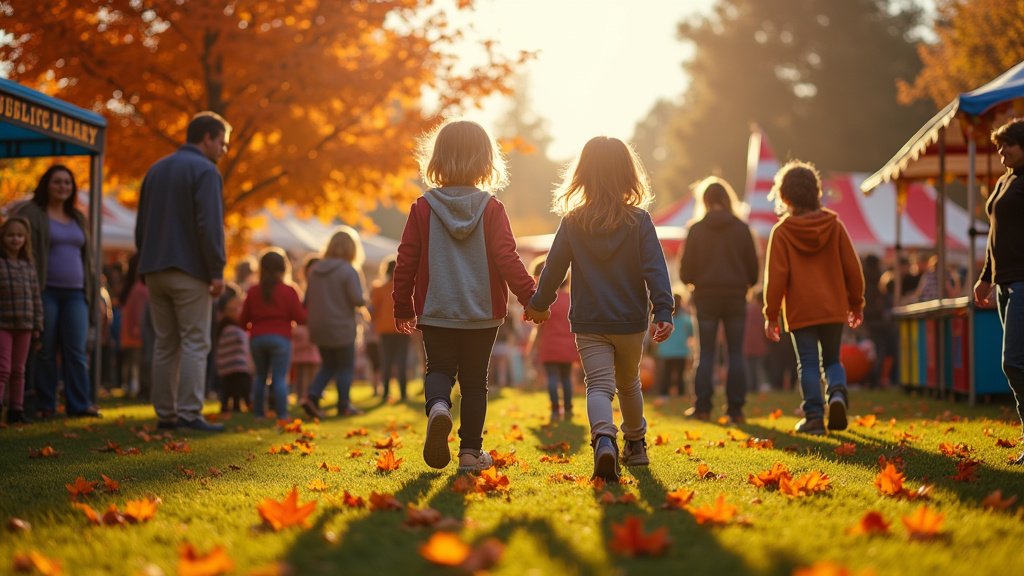
Beyond individual gardening efforts, the cities are actively preparing for a season of community activity. The early arrival of spring aligns with ongoing initiatives by municipal Parks and Recreation departments to finalize schedules for upcoming farmers’ markets, outdoor concert series, and cultural events. The visual transformation of the region plays a significant role in ‘placemaking,’ a strategy used by local governments to enrich lives and foster economic vitality by making outdoor spaces more inviting. As neighborhoods brighten, the focus shifts toward maximizing the utility of these public spaces, transforming them into hubs for social connection as the region moves further into the spring and summer months.