From Rooftop to Table: The Marc Boucher-Colbert Story
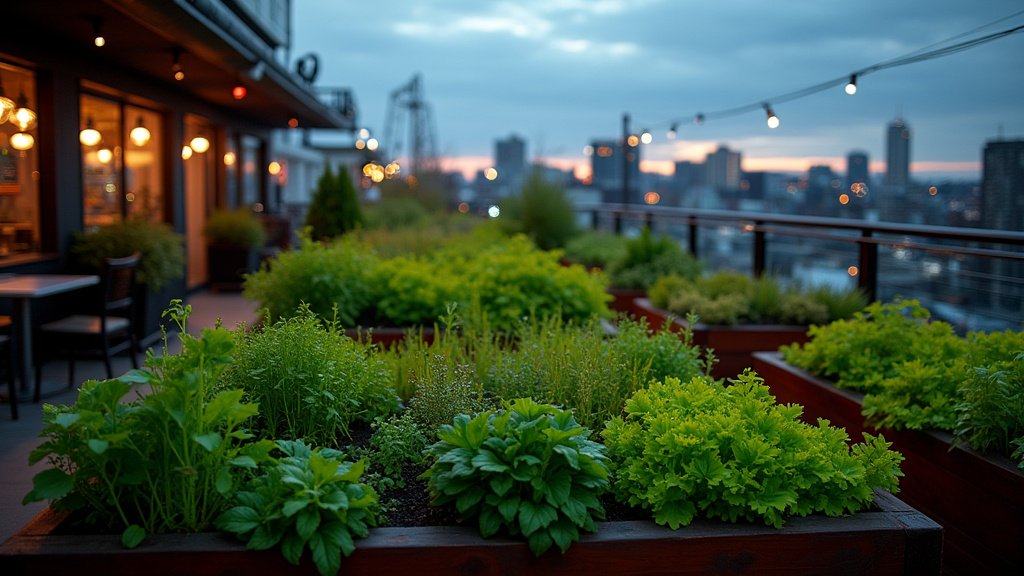
For twenty years, Marc Boucher-Colbert has been cultivating a unique agricultural oasis atop Portland’s Noble Rot restaurant. What began as an experimental endeavor has blossomed into a vital component of the restaurant’s farm-to-table ethos, embodying a true “roof-to-table” concept. This innovative urban farming initiative not only provides exceptionally fresh ingredients but also showcases the potential for sustainable food production within a bustling cityscape. Boucher-Colbert’s dedication has transformed the restaurant’s rooftop into a vibrant garden, supplying a diverse array of herbs, spices, and lettuces that find their way into Noble Rot’s dishes and cocktails.
A Pioneer in Portland’s Urban Farming Scene
Boucher-Colbert’s journey into urban agriculture is rooted in a deep-seated passion for sustainable food systems. His early experiences included stints at a Wilsonville farm and co-founding one of Portland’s first community-supported agriculture (CSA) farms, Urban Bounty, in 1993. This foundational work led him to co-found Friends of Zenger Farm, a non-profit dedicated to educating the community about sustainable food systems and environmental stewardship. His academic pursuits at Portland State University, where he earned a master’s degree in education, further solidified his commitment. It was during this time that he conceptualized the rooftop garden project, proposing the idea to restaurateur Leather Storrs. This collaboration led to the development of a highly productive garden that initially thrived for 12 years at the original location of the restaurant Rocket, before moving with Noble Rot to its current East Burnside Street address.
The Challenges and Triumphs of Rooftop Cultivation
Gardening on a rooftop presents a unique set of challenges, from managing intense wind and sun exposure to working with shallow soil profiles due to weight constraints. Boucher-Colbert initially utilized kiddie pools as planters, a cost-effective solution that demonstrated the viability of rooftop farming. However, these proved susceptible to UV damage and cracking over time. The current setup involves a combination of raised beds and containers, meticulously managed with organic fertilizers and efficient irrigation systems. The close collaboration between Boucher-Colbert and the Noble Rot chefs is crucial to the garden’s success. Chefs are actively involved in harvesting throughout the day and evening, ensuring that the freshest ingredients are incorporated into the menu. This dynamic partnership allows for constant experimentation and adaptation, with less productive or overly finicky plant varieties being replaced to maintain a high-yield, diverse harvest.
Beyond the Garden: Education and Community
Boucher-Colbert’s commitment to urban agriculture extends beyond Noble Rot. He also works as a Garden Specialist at Franciscan Montessori Earth School, where he educates young students about sustainable food systems. His dedication to fostering a deeper connection with food and the environment is evident in his multifaceted career. The rooftop garden at Noble Rot stands as a testament to his vision, proving that even in urban environments, a vibrant and productive agricultural space can flourish, offering a unique culinary experience rooted in sustainability and innovation.
FAQ: People Also Ask
What is the “roof-to-table” concept?
The “roof-to-table” concept is an extension of the “farm-to-table” movement, specifically referring to food grown and harvested directly from a rooftop garden and then served in an adjacent or located restaurant. It emphasizes hyper-local sourcing and the freshest possible ingredients, often harvested just moments before preparation.
How long has Marc Boucher-Colbert been gardening at Noble Rot?
Marc Boucher-Colbert has been tending the rooftop garden at Noble Rot for approximately 20 years. He followed the restaurant to its current location after it relocated.
What are some of the challenges of rooftop gardening?
Rooftop gardening faces challenges such as exposure to strong winds and intense sunlight, limited soil depth due to structural weight considerations, and the logistics of transporting soil, water, and plants to the rooftop. Careful plant selection and innovative container systems are necessary to overcome these obstacles.